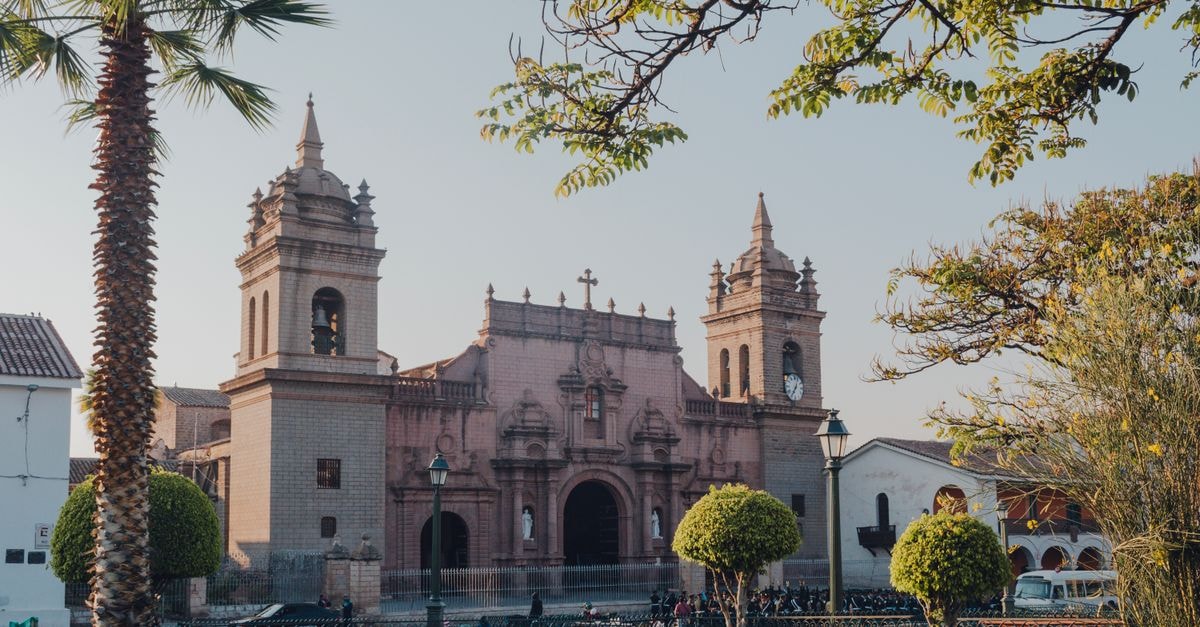
A River City Framed by Forest
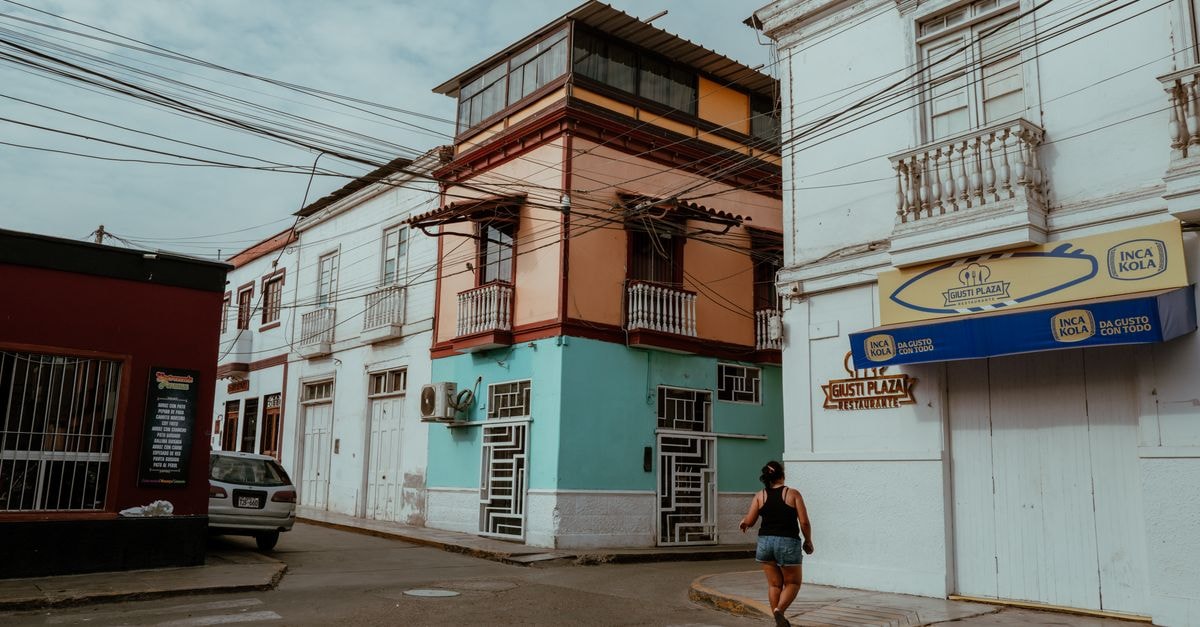
Quibdó sits quietly in the heart of Colombia's Chocó department, where the rhythm of daily life follows the flow of the Atrato River. Originally founded under the name "Citará," the city carries a long human story layered into a landscape often described as a paradise of life and a cradle of Colombian biodiversity. Streets here tend to hum with the easy energy of a tropical river town, the kind of place where the waters feel close enough to set the pace of the conversation.
This guide leans into what evidence actually supports: the climate context visitors experience, the religious and Franciscan heritage landmarks clustered in the historic core, and the urban footprint of a small Colombian city shaped by water and forest. It is a slow-travel kind of destination, best approached with curiosity, patience, and an appetite for cultural depth rather than a packed checklist.
Weather and Seasonal Context
Quibdó's climate leans warm, humid, and generous with rainfall through much of the year, so visitors should expect the kind of weather that rewards breathable clothing, covered walkways where possible, and the willingness to duck indoors when showers pass through.
The Chocó region is also a place where occasional periods of civil unrest can ripple through daily life, and infrastructure in the area can present challenges at times. Travelers should keep tabs on official advisories before and during a visit and remain flexible about timing and routes. For travelers who like to pace sightseeing around short bursts of exploration rather than long outdoor stretches, the humidity and rainfall shape a natural rhythm worth leaning into.
Franciscan Heritage in the Historic Core
A significant thread of Quibdó's identity runs through its Franciscan past, visible in the religious architecture that anchors the city center. Construction of the principal Franciscan church began in 1945, with the community navigating several administrative changes before the structure was finalized in 1977. The completed building stands as a quiet record of patience, religious devotion, and mid-twentieth-century construction, even as its long design history shapes how visitors experience it today.
If religious and architectural history is part of why you travel, the Franciscan complex and its surroundings offer the kind of stop that pairs well with time spent understanding the city's identity rather than rushing past it.
Religious Life at the Cathedral of Quibdó
Religious observance remains visible and felt in Quibdó, especially around the Cathedral and the city's spiritual calendar. The Cathedral of Quibdó hosts religious acts, including solemn Masses and morning devotions, in honor of San Francisco de Asís.
For travelers who appreciate faith-based cultural encounters, the Cathedral provides a way to engage respectfully with the city's lived traditions. Visitors who are not part of the Catholic tradition may still find value in observing quietly from the periphery, which is a customary courtesy during services across much of Colombia. Anyone hoping to attend a specific Mass during their stay should verify the current schedule with the Cathedral or local contacts before relying on published travel sources, since timetables for religious services can shift.
The Atrato River as a Daily Companion
The Atrato River runs through Quibdó as more than a geographic feature. Locally, the streets are often described as resonating with the joy of living on the banks of one of Colombia's most treasured rivers. That sense of closeness to the water shapes how people move through the city, where mornings may begin along the riverfront, and the day unfolds with its currents in view.
For travelers who like destinations where a natural feature orients daily orientation, the Atrato gives Quibdó a built-in walking axis. A visitor who enjoys river views, slow riverside strolls, and a sense of place shaped by water will likely find this aspect of the city a quiet highlight rather than a hectic one.
Biodiversity as a Larger Frame
Quibdó is often characterized as a paradise of life and a cradle of Colombian biodiversity, an identity tied less to a single attraction than to the surrounding region itself. The city's modest footprint sits within a landscape known for ecological richness, which colors how residents and visitors speak about the place.
Curious travelers who travel partly for context and a feel for a region's natural heritage may find value in understanding Quibdó as a gateway to a wider Chocó narrative, even if specific nature outings inside the city limits are not what draws most visitors. If immersive forest experiences are a primary goal, travelers may want to ask a local guide or contact directly what is currently accessible within the city, since specific reserve access and tour availability can vary and are not detailed in the source material.
Choosing What Fits This Trip
A short visit to Quibdó tends to suit travelers who like cultural depth, Franciscan and religious heritage, and river-oriented wandering rather than dense sightseeing. Visitors who prefer to reduce the strain of stair climbing or fast-paced urban hikes may find the compact historic core approachable, while anyone drawn to biodiversity framing may want to think of Quibdó as a context-setting stop rather than a stand-alone nature destination. Travelers who appreciate destinations where faith-based culture is woven into the urban texture will likely find the Cathedral and Franciscan landmark meaningful anchors for the trip.
A Final Note Before You Go
Because the Chocó region can be affected by occasional unrest and shifting infrastructure conditions, confirming the latest travel advisories before departure remains a sensible habit. Religious schedules, transport options, and on-the-ground services can change without much notice. The most reliable move is to verify directly with local contacts or official channels before relying on any specific detail, so the trip unfolds with the kind of flexibility that river-rooted cities tend to reward.
Factual conditions in any destination shift over time, and this guide reflects currently available information only. Always cross-check opening hours, transit options, and safety guidance through official channels before you travel.
Share this article
TOOLS FOR THIS PLAN
Make the Quibdó plan measurable
Choose a tool only when it answers the next question in your trip. Your values stay in the browser, and each tool offers a route back to this planning context.