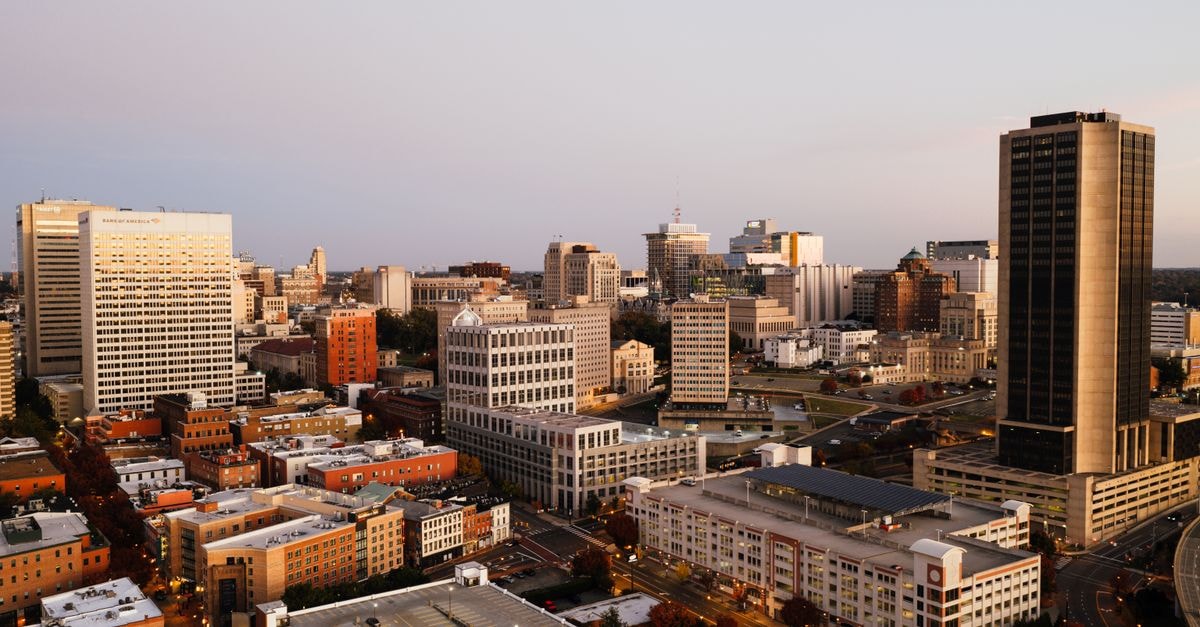
There is a particular pleasure in landing in a city that doesn't try to overwhelm you. Raleigh, the capital of North Carolina and part of the broader Triangle region, has that easy, lived-in rhythm. Tree-lined streets earn it the nickname *City of Oaks*, and the cultural pulse is genuine without ever feeling performative. Spend a little time here and you'll notice how short the distances feel between quiet parks, restored brick warehouses, and dining rooms where the chefs actually live nearby.

Getting around
Raleigh is set up for travelers who like to choose their own adventure. Several train routes make stops in the city, which is a welcome option if you're already traveling along the East Coast and would rather watch the landscape roll by than count highway exits. Interstate highways and transportation systems also feed directly into Raleigh, so arriving by car from neighboring states feels straightforward rather than like an expedition.
Most international and long-haul visitors will likely touch down at Raleigh-Durham International Airport. From there, you have a handful of sensible transfer options. Local taxi services run to and from the airport, and the airport also connects to regional train services, which can be a relaxed way to continue your journey if you'd rather not think about navigation right after landing. Dedicated bus routes also serve the airport, giving budget-minded travelers a practical alternative to a private car. A small but useful detail worth remembering: when you arrive, collect all of your luggage from baggage claim before stepping out to choose your transfer. It saves the awkward shuffle of doubling back through the terminal.
Within the city itself, the downtown core is compact enough that many of the things you'll want to see sit within a short walk or rideshare of one another, which keeps the logistics refreshingly simple.
Attractions and planning
Raleigh wears its cultural identity lightly. You don't have to chase a checklist to feel like you've understood the place, and the city seems to prefer it that way. Local guides and visitor resources consistently frame Raleigh as a destination with a *cultural heartbeat* nurtured by passionate residents, from museum curators and gallery directors to the people running neighborhood markets and concert series. That's a useful frame to carry into your visit, because it sets the tone: come curious, not hurried.
If you're planning your first visit, it helps to anchor a few loose priorities rather than locking in a strict schedule. The city lends itself to wandering between a museum or two, a stretch of green space, and a dinner reservation downtown. A weekend typically gives you enough time to sample a little of each without that frazzled, rushed-tourist feeling, and the attractions across the Raleigh area are spread out generously enough that you can tailor the day to your mood.
Food and local context
Food is one of the most fun ways to get to know Raleigh, and the dining scene has earned its share of national attention. The city has been recognized among the "Hottest Food Cities" by national publications, a detail that captures how quickly the culinary landscape has matured in recent years. What makes it special isn't just the recognition but the texture: you'll find James Beard Award-recognized chefs working alongside warm, neighborhood-style spots where the service feels genuinely friendly.
Two names tend to come up early in any Raleigh food conversation. Poole's Diner, a flagship restaurant opened in 2007 by a fierce philanthropist and celebrated chef, has helped shape the identity of downtown dining ever since. Crawford and Son, a downtown Raleigh eatery, opened in the fall of 2016 and has since been named "restaurant of the year" by both *The News & Observer* and *Indy Week*, an honor that places it firmly on many visitors' shortlists.
The broader scene around these anchors is part of the appeal. You'll find a peerless mix of foodie culture and warm, down-home service across the city, and the chefs who cook here tend to be the same people you'll spot at the farmers' market on Saturday morning. It's a small thing, but it makes dining out feel like joining a community rather than simply consuming a meal.
A few practical notes
Because Raleigh's dining and attraction scene moves quickly, it's wise to confirm current hours, reservation policies, and any ticketing details through the venue or the official visitor channels before you set out. Train schedules, bus routes, and airport transfer availability can also shift, so a quick check the day before helps avoid surprises.
If you're visiting on a budget, you'll find that the city's compact geography works in your favor: a single downtown day can cover a museum stop, a walk through the oak-shaded streets, and a memorable dinner, all without leaning on taxis or rideshares. Travelers who want to splurge can pair a chef-driven dinner with a concert or exhibition, while those keeping things lean can focus on the city's many free public spaces.
Finally, remember that travel conditions, from opening hours to transit schedules, can change at any time. Treat the suggestions above as a starting point, and verify the details that matter to you through official sources before you go.
---
*This guide is designed as durable, evergreen advice for first-time and returning visitors alike. It does not reflect any particular travel season. Factual travel conditions can change, and official channels should be checked before departure.*
Share this article
TOOLS FOR THIS PLAN
Make the Raleigh plan measurable
Choose a tool only when it answers the next question in your trip. Your values stay in the browser, and each tool offers a route back to this planning context.