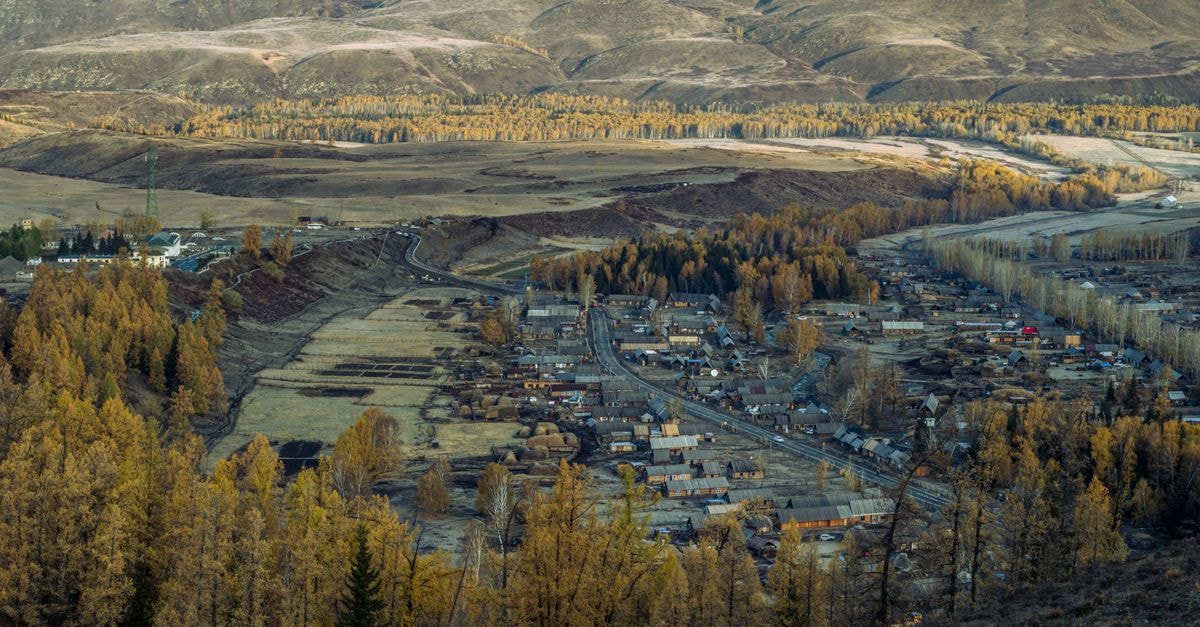
Rubtsovsk at a Glance
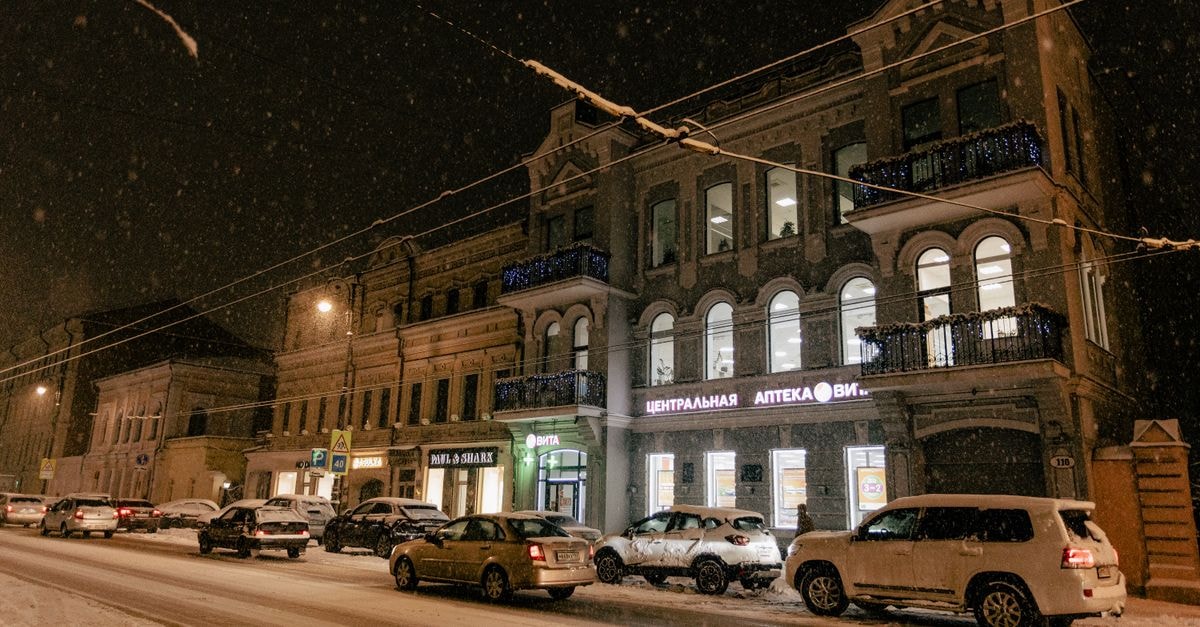
Rubtsovsk is an industrial city in Altai Krai, Russia, with a story closely tied to the arrival of the Turkestan–Siberia Railway. Its compact history offers a useful lens for travelers interested in railway towns, local development, and everyday Russian food culture. Rather than treating the city as a checklist stop, this guide focuses on what can be understood from the available evidence: its strong seasonal variation, the railway-era chapter that shaped its growth, and the broader Russian dishes that visitors may encounter during their stay.
If you are planning an independent visit and want context that is genuinely useful before setting out, the sections below provide a grounded starting point without inventing restaurants, attractions, schedules, prices, or current conditions.
Understanding Rubtsovsk’s Weather Pattern
Rubtsovsk experiences a wide annual temperature range. The available city-level climate information describes average temperatures, rainfall, extremes, and climate trends since 1940, but it does not support a reliable month-specific forecast. That distinction matters when planning a trip: long-term weather patterns can help you think about what to expect, while an exact forecast still depends on the date you travel.
Because the city has a wide annual temperature range, flexible clothing may be sensible if you want to prepare for varied seasonal conditions. Layers can help you adjust to sharp changes between outdoor conditions and heated interiors, and sturdy footwear may be useful if your plans include extended time outdoors. These are practical responses to documented temperature variation, not claims about specific conditions on your travel dates.
The strongest takeaway is simple: do not treat Rubtsovsk as having one uniformly temperate climate. The documented annual range is more useful for preliminary planning than a generic expectation of continental weather, though it cannot indicate the weather on a particular travel date. Before departure, check the current forecast and any alerts from official channels, particularly because seasonal temperature and rainfall can alter the comfort of outdoor plans.
Why the Railway Shaped Rubtsovsk
Rubtsovsk began in 1892 as a small settlement near the Aley River. Its transformation into an industrial city followed the construction of the Turkestan–Siberia Railway in the 1930s. That sequence gives the city’s identity an unusually clear historical hinge: railway infrastructure connected the settlement to wider movement of people and goods, and industrial growth followed.
This history may suit travelers who are interested in how transport networks influence urban development rather than only in conventional sightseeing. Viewed through that interest, the railway becomes part of Rubtsovsk’s story rather than merely a route through Russia. The documented settlement-to-industrial-city development likewise offers a concrete reason to approach the place as shaped by mobility, industry, and connection.
The available evidence does not specify which railway-related buildings can currently be visited, whether museums are open, or how access works. It would therefore be misleading to recommend a particular site or organized railway tour. If a railway history walk is important to you, verify the relevant attractions and access arrangements directly before placing that walk at the center of your visit.
A Grounded Way to Approach Things to Do
Travel listings for Rubtsovsk group possible activities under attractions, stays, tours and tickets, restaurants, and local experiences. That structure is useful for orientation, but it does not provide enough detail here to name a specific venue, rank a restaurant, or promise a particular experience.
Rather than filling this section with generic suggestions, consider what kind of visit best matches your interests. History-focused travelers may prefer to use the city’s settlement-to-industrial-city story as the organizing theme. Travelers interested in everyday Russian cuisine may want time to explore available local dining independently. Anyone planning around a specific attraction or tour should first confirm the current offering, opening arrangements, and how to reach it.
This approach keeps the itinerary flexible while reducing the risk of building a trip around listings that may not suit your interests or may not be available when you visit. A broad listing category can help you discover possibilities, but it should not be treated as proof that a particular service is currently operating.
Food in Rubtsovsk: Local Discovery, Wider Russian Context
City-level travel material identifies Rubtsovsk as a place for local experiences, food-focused stops, and top dishes, while the available evidence does not name individual restaurants or dishes unique to the city. It would be inaccurate to label any nationwide specialty as a Rubtsovsk specialty. One grounded option is to look for broader Russian food traditions you may encounter while in the city, while recognizing that the supporting evidence is national rather than city-specific.
Pelmeni—meat dumplings—are described as perhaps Russia’s most universal comfort food. If you prefer recognizable, filling dishes with a strong place in everyday Russian food culture, pelmeni may be a sensible thing to look for. Because the evidence is national rather than city-specific, its presence should not be assumed at every restaurant; it is simply one established food tradition that may meet you during a visit to Rubtsovsk.
Black caviar offers a very different point of reference. It is one of Russia’s most expensive food products, with a history shaped by ecological failure and the gradual development of aquaculture. For a traveler interested in premium ingredients or the story behind luxury foods, caviar may provide a distinctive dining perspective. If you choose to try it, its high price may make it more suitable as an occasional splurge than as an everyday meal, depending on your preferences and budget.
Independent food explorers may want to compare the practical comfort of pelmeni with the more ceremonial character of caviar, but no specific restaurant, menu, or fixed price can be recommended from the available evidence. Check what a venue currently offers before making a reservation or budgeting around either dish.
Choosing What Fits Your Visit
For travelers who prefer history with a clear narrative, Rubtsovsk’s railway-driven development is the strongest thematic anchor in the available material. Pair it with an interest in industrial urban growth rather than expecting a polished list of named attractions. Food-focused visitors may find the contrast between a familiar Russian comfort dish and an extravagant luxury ingredient useful, provided both are treated as wider national traditions rather than guaranteed city specialties.
Those who want a tightly planned sightseeing itinerary should reconsider whether the current evidence meets their needs: it identifies activity categories but does not verify specific attractions, tours, restaurant availability, or current schedules. Flexible travelers are better placed to use the city’s history and food context as a starting point, then confirm individual stops before arrival.
Travel conditions, business availability, and weather can change. Check official channels and current provider or venue information before departure, and confirm any time-sensitive arrangements directly before making plans.
Share this article
TOOLS FOR THIS PLAN
Make the Rubtsovsk plan measurable
Choose a tool only when it answers the next question in your trip. Your values stay in the browser, and each tool offers a route back to this planning context.