A river-port welcome to Astrakhan

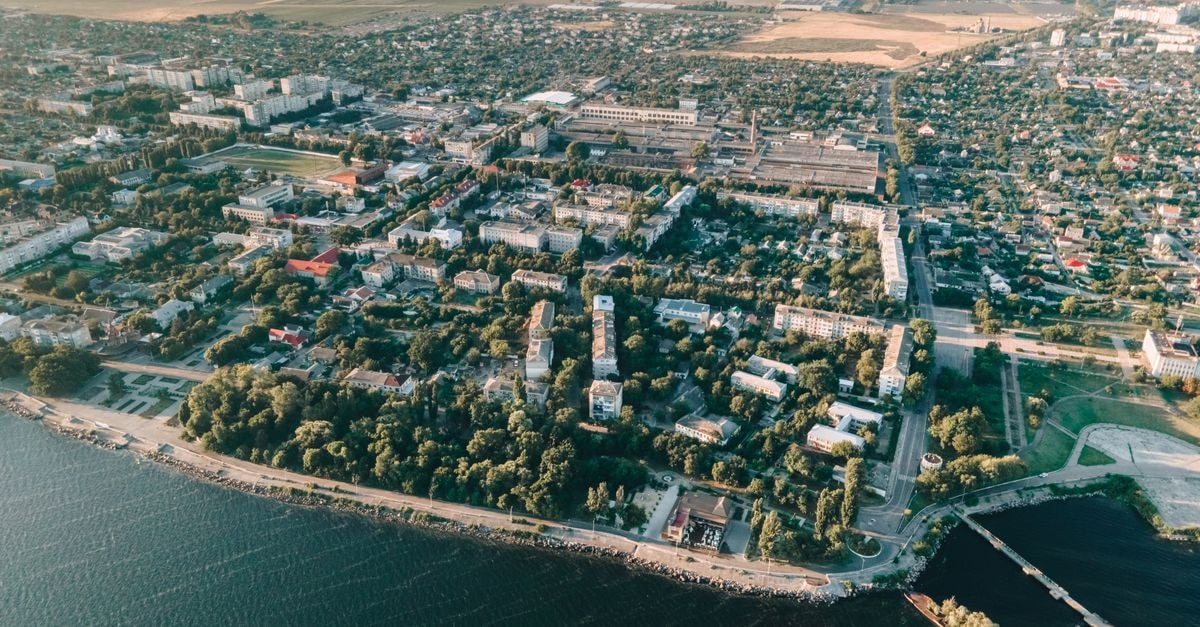
Set on the marshy fringe where the Volga fans toward the Caspian, Astrakhan has always read as a city shaped by movement and trade. Its skyline rises and falls between low riverside neighborhoods and the older fortified core that still anchors the center, and its streets feel layered in a way that invites slow, observant wandering rather than a fast tick-box tour. The mood is less about polished showpieces and more about a working southern Russian city with a deep story to tell.
For a traveler who enjoys places with a sense of layered history, this is an inviting base. Visitors who prefer compact, walkable centers will find the historic heart easy to navigate, and anyone with curiosity for Russian regional culture will notice the city has its own atmosphere, distinct from Moscow or St. Petersburg. The pace is unhurried, the light often golden, and the rhythm feels tuned to the river rather than the clock.
The historic heart of the city
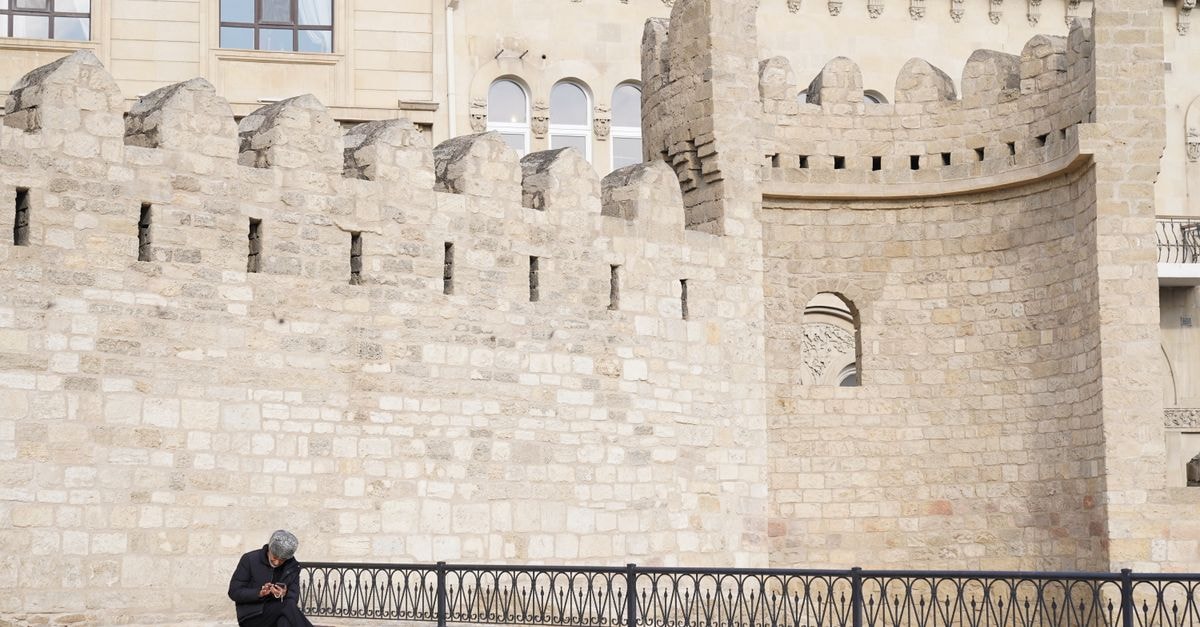
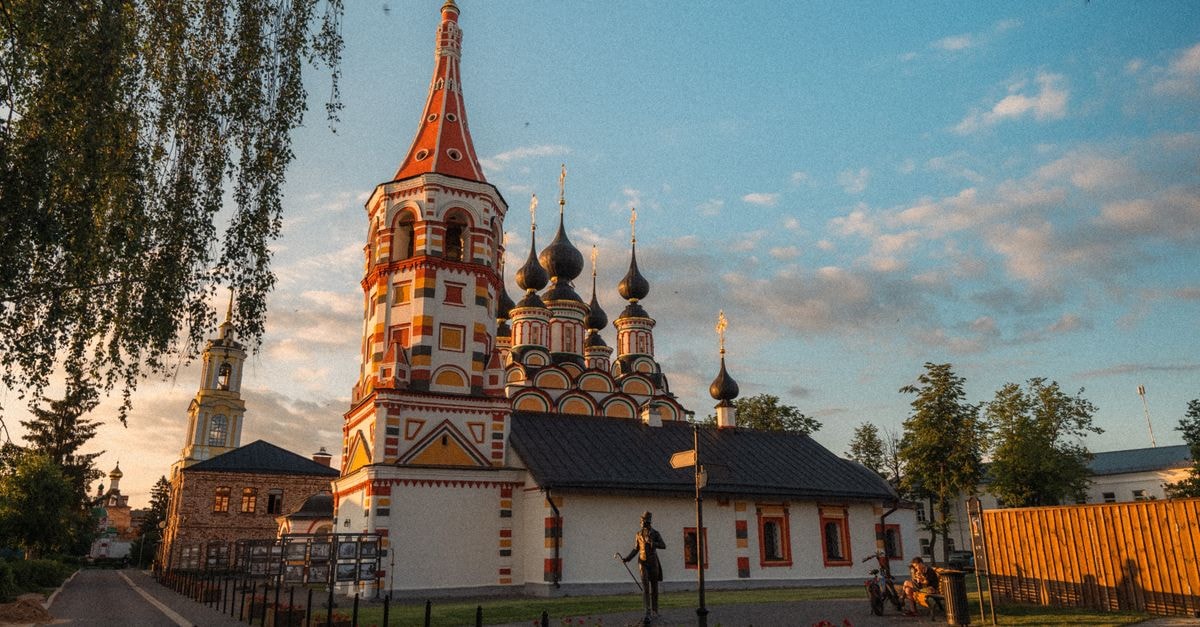
Astrakhan's most recognizable landmark is its Kremlin, an ancient complex that showcases traditional Russian architecture. Inside the walls, churches and towers offer a glimpse into the city's rich history, and the grounds are a natural starting point for understanding why this corner of Russia has long been a meeting point of cultures and trade routes. Because the Kremlin sits in the older part of the city, it pairs well with on-foot exploration of nearby streets.
Getting around
Astrakhan's compact center is genuinely walkable, with the Kremlin area and nearby streets easy to cover on foot. Walking is a feasible way to take in the main sights, especially in the older part of the city, and for travelers who like to slow down and notice the details of a place, that can be the most rewarding way to explore.
If you prefer a structured approach to a city, the walkable core means a single base near the Kremlin can serve you well. If you prefer to spread out, renting a car opens up quieter neighborhoods and riverside stretches that reward a slower pace.
Where to sleep
Accommodation in the city includes well-known chain hotels, with the Azimut Hotel Astrakhan on Kremlevskaya str. frequently appearing in regional listings. That location, on a street named for the Kremlin itself, keeps guests within easy reach of the historic core, which suits visitors who prefer to step out of the hotel and straight into the older part of the city.
The wider hotel market also offers luxury hotels that provide high-end amenities and services for travelers seeking a premium experience. If you value room space, concierge-style service, and familiar international standards, the higher-end options may suit you. If you prefer to spend less on lodging and more on dining and day-to-day exploring, simpler mid-range stays near the center can work just as well for a short visit.
Russian food culture to explore
Astrakhan sits within a wider Russian food culture that goes well beyond old stereotypes. Traditional dishes and dining customs form a broad culinary identity built around staples such as pork fat rendered in a cast-iron skillet and the sharp tang of fermented rye bread. Pelmeni, the Siberian meat dumplings often called one of Russia's most universal comfort foods, appear widely across Russian menus and can be a reliable, filling choice for travelers easing into local cooking. Black caviar, framed within Russian food culture as a luxury ingredient with a long and complicated history, is something visitors may encounter as a special-order item rather than a casual everyday dish.
Prices, opening hours, schedules, reservation rules, and local conditions can change; verify them through official channels before departure.
Share this article
TOOLS FOR THIS PLAN
Make the Astrakhan plan measurable
Choose a tool only when it answers the next question in your trip. Your values stay in the browser, and each tool offers a route back to this planning context.