Destination overview

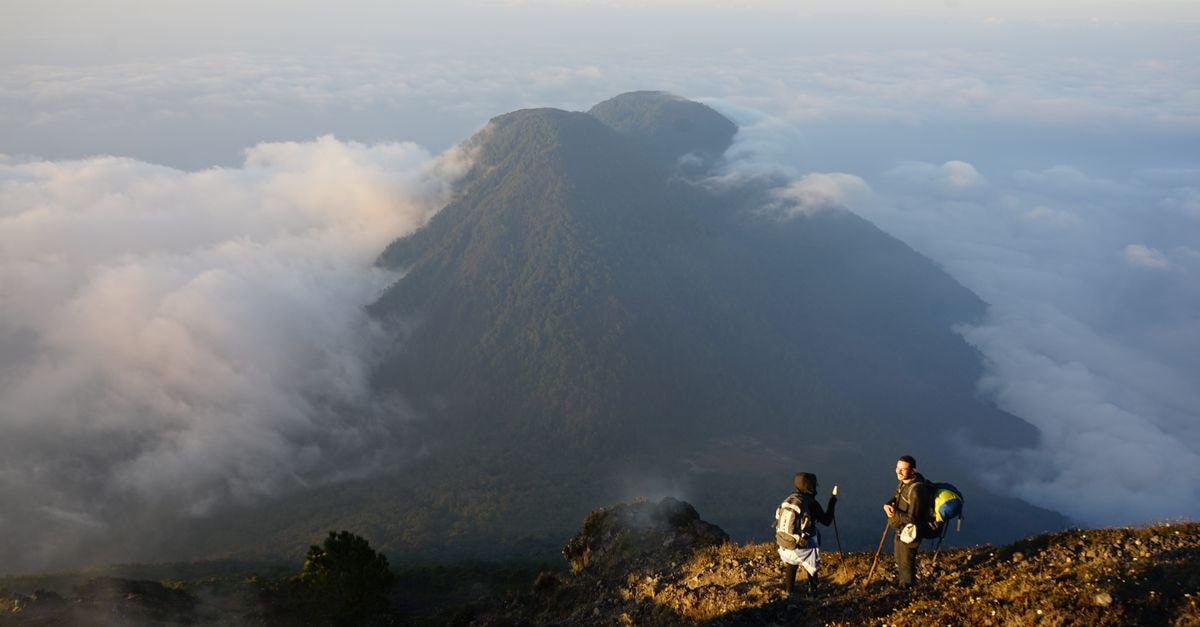
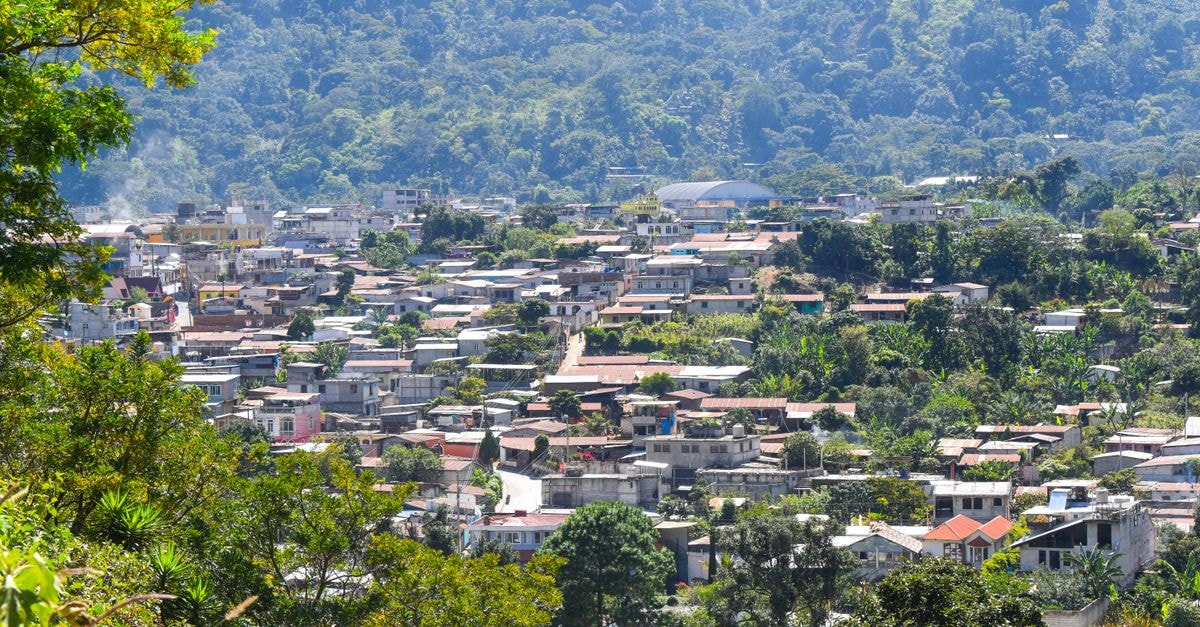
There is something immediately calming about stepping off the road that winds down through the highlands and into Salamá. The town sits in a gentle depression in the heart of Baja Verapaz, framed by green slopes that soften the light and give the air a noticeably milder feel than the busier lowland routes. As the department capital of Baja Verapaz, Salamá is more than just a waypoint: it is the administrative and everyday hub for the surrounding valley communities, which means the central streets stay active through the day without ever feeling rushed.
The town is known for a pleasant valley climate, a string of colonial-era churches, and a central park that serves as the social heartbeat of daily life. For travelers who like places where a bench under a shade tree and a short walk to a market comedor can be the whole plan for an afternoon, Salamá offers exactly that rhythm.
The central square and colonial churches
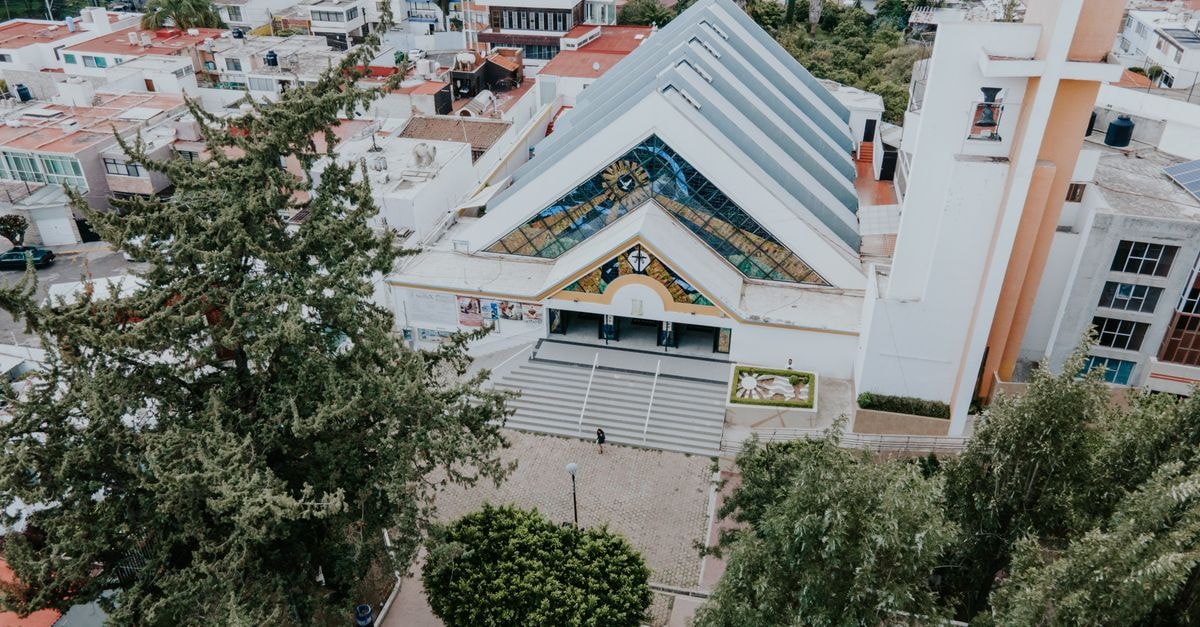
The easiest way to get to know Salamá is simply to walk to its central park and let the layout of the town explain itself. Around the square you will find the colonial churches that give Salamá much of its character, modest in scale compared with Antigua's showpieces, but quietly striking in their own right. Whitewashed walls, tiled roofs, and the soft sound of bells marking the hours create a setting that invites unhurried exploration.
Because Salamá is a department capital, the central park is also where practical life happens: families meet after work, vendors circulate with snacks, and benches fill and empty through the day. The combination of colonial architecture and everyday community use is what gives Salamá its atmosphere, a working Guatemalan town rather than a museum piece. A slow loop around the block, in and out of the church plazas, is often the most rewarding introduction to the city.
Pleasant valley climate and how to pace the day
The valley setting gives Salamá that pleasant climate it is known for, with a moderate elevation that softens the air compared with busier lowland routes. Mornings tend to feel fresh and bright, while the middle of the day can warm up before easing again toward evening. Because the elevation sits in a middle range, the air feels easier to breathe than at higher Andean towns, and walking between sights rarely feels like an effort.
A relaxed pace tends to suit Salamá well. Start with an early walk through the central streets when the light is soft and the markets are setting up, take a long break during the warmest hours of the day, and return to the central park as the sun lowers and the temperature feels gentler again. This kind of rhythm lets visitors enjoy the climate rather than work against it, and it leaves plenty of room for unhurried meals and conversation.
Food and local context: market comedores and home cooking
Eating well in Salamá is refreshingly straightforward. The town's food is rooted in Guatemalan home cooking, with tamales, slow-simmered soups, and fresh tortillas served at market comedores and neighborhood bakeries. These are not formal restaurants with menus in multiple languages; they are everyday places where regulars eat lunch and travelers can join in without ceremony.
For visitors, this translates into a few practical habits. Mornings are a good time to look for freshly made tamales and warm bread from neighborhood bakeries, often bought over the counter and eaten standing or at a nearby bench. By midday, the market comedores come alive with set lunches built around soup, a main plate, and tortillas, exactly the kind of meal that suits travelers who want to eat well without a long search.
It is worth remembering that Salamá's kitchens sit inside a wider Guatemalan food culture, where corn, beans, and chilies appear in countless variations across the country. Visitors may recognize familiar shapes of dishes they have tried elsewhere in Guatemala, simply because home cooking here shares that national backbone. The pleasure in Salamá is less about novelty and more about how fresh and local the ingredients feel.
A few small courtesies go a long way in these settings. Greeting the people working behind the counter, eating with a spoon and fork or in the local style, and finishing what is on the plate are all quiet ways of showing respect. Leaving a small tip for good service is appreciated, even when no charge is added to the bill.
Practical notes for a smoother visit
A few simple habits help Salamá feel easy rather than logistical. Comfortable walking shoes are useful because the central streets and church approaches are best explored on foot, and the distances between points of interest are short. Because the town fills its role as a department capital, services, small shops, and transport connections are organized around the central area, so staying within walking distance of the park makes the visit feel intuitive.
For travelers moving onward to other parts of Guatemala, Salamá works well as a calm base for a night or two rather than a rushed stop. The town rewards unhurried attention: a slow morning in the central square, a long market lunch, a walk past the colonial churches, and an evening spent watching the park settle back into its everyday rhythm. That sequence often captures the best of Salamá without needing a packed schedule.
Final thoughts and a small note on verification
Salamá is the kind of place that gives back what you put into it. Visitors who arrive expecting a polished tourist center will likely miss the point; visitors who come ready to walk slowly, eat simply, and listen will find a town with a strong sense of itself. The pleasant valley climate, the colonial churches, and the central park together form a setting that feels distinct from Guatemala's more heavily visited destinations, which is part of what makes a stop here feel like a small discovery.
Because travel conditions can change, it is always worth checking official channels and local sources before departure for anything that affects your plans, from transport options to local services. The factual details in this guide reflect what is reliably known about Salamá at the time of writing; current conditions on the ground may vary, and a little preparation goes a long way toward a relaxed visit.
Share this article
TOOLS FOR THIS PLAN
Make the Salama plan measurable
Choose a tool only when it answers the next question in your trip. Your values stay in the browser, and each tool offers a route back to this planning context.