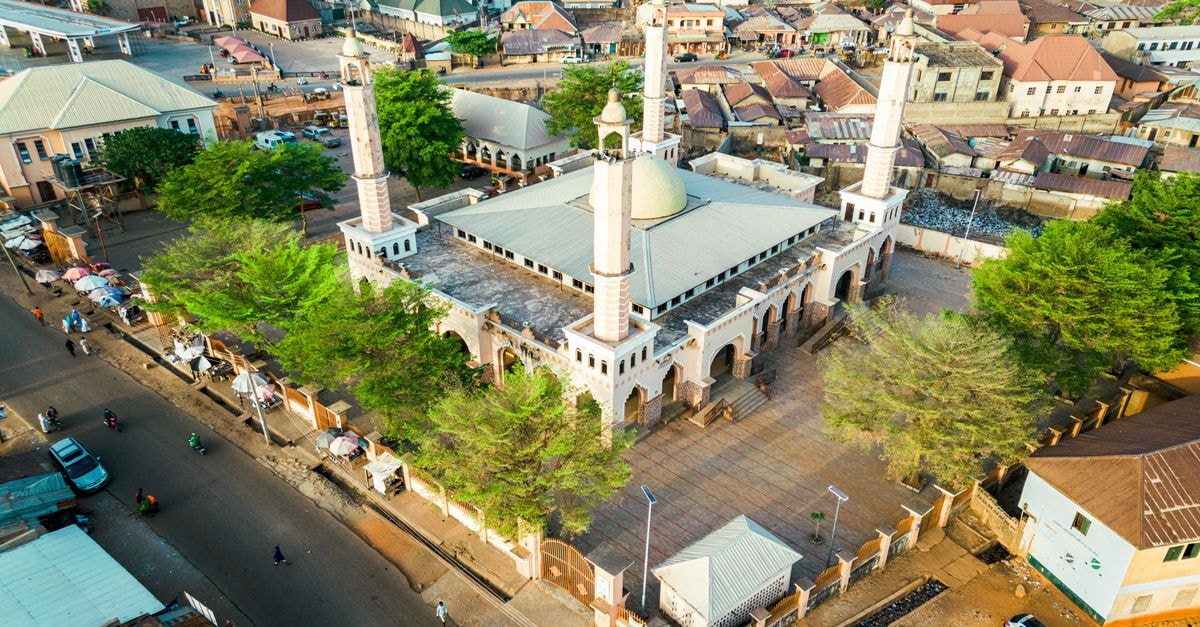
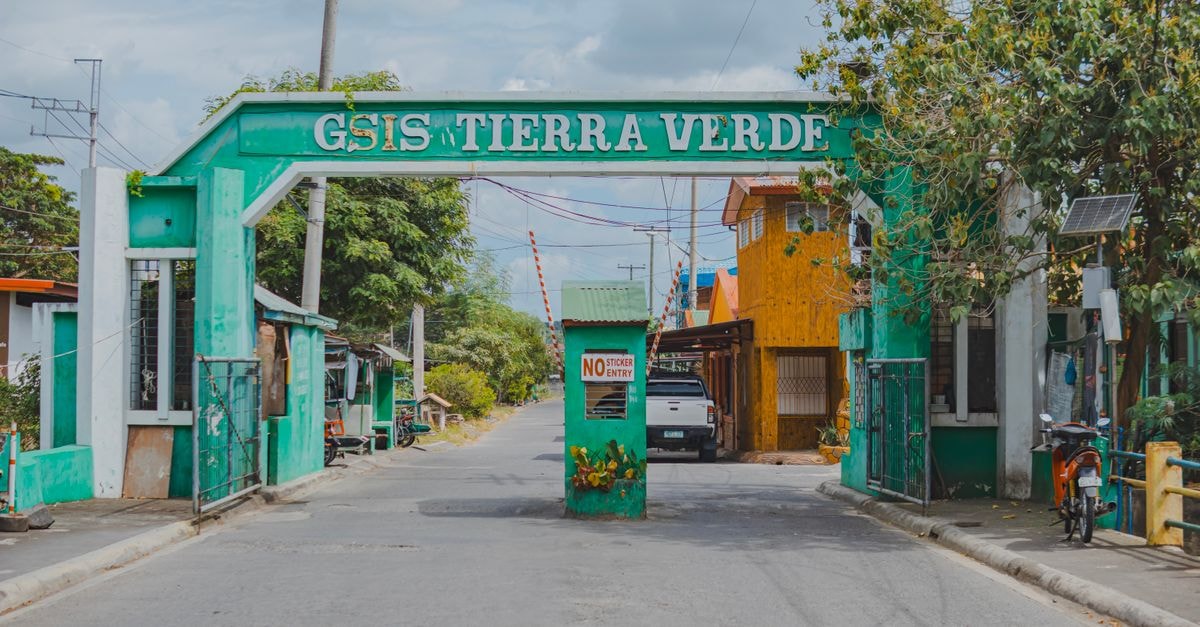
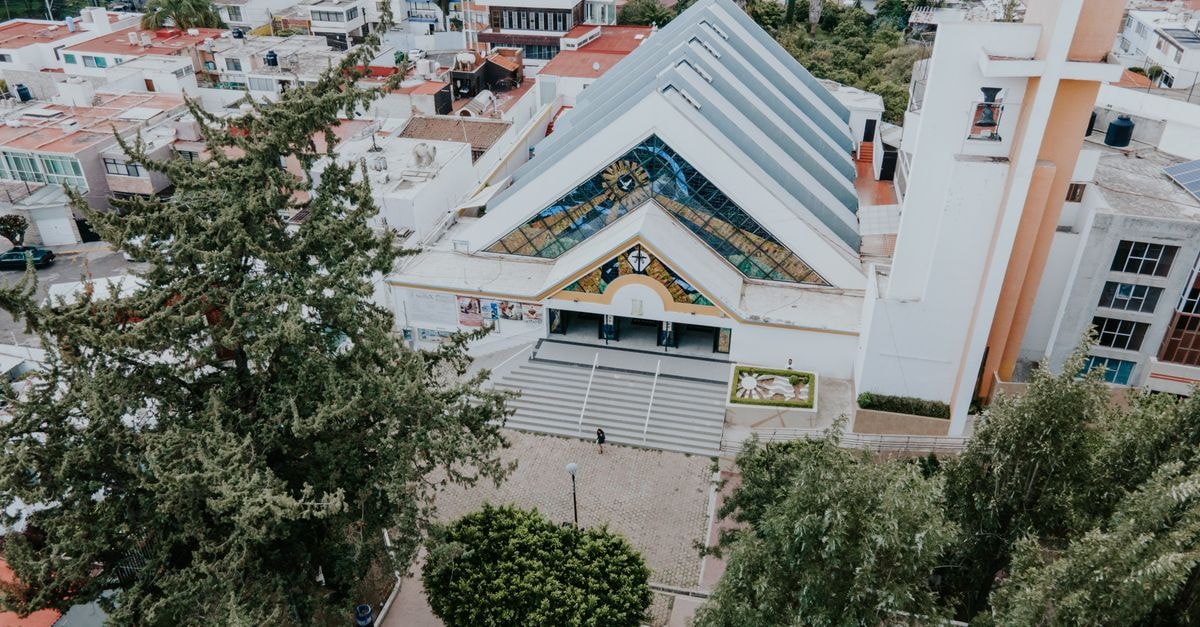
A first impression of Sololá

This orientation is built around two practical questions a first-time visitor usually asks: how do you actually move around and onward from here, and what should you expect from the regional food culture that surrounds the lake? The aim is to walk away with a clearer mental map of the town and a sense of how it fits into the wider Atitlán landscape.
Getting around and onward from Sololá
Sololá is small enough that most of what visitors need — the market, the church, the bus terminal area and the comedores around the plaza — sits within easy walking distance. The reference point for getting your bearings, and for catching onward transport, is the Central Park at the heart of town.
For travelers continuing toward other destinations in the region, the north side of the market and terminal area is the route that buses take when leaving Sololá. This is the direction you want if you are heading out toward the well-known junction where buses running to Antigua and Guatemala City pass through. The pattern is worth knowing because Sololá does not have a single clearly signed long-distance terminal in the way a larger Guatemalan city would; buses cluster around the plaza and the northern edge of town, and drivers tend to call out destinations rather than rely on posted timetables.
If you are planning to visit the Universidad del Valle campus on the edge of town, the local advice is simple: head to Central Park and ask specifically for the bus marked "Universidad del Valle." That single phrase is enough for drivers and helpers to point you to the correct vehicle, because microbus routes in this part of Guatemala are usually identified by their terminus or by a landmark rather than by a route number.
A few practical points help make the transport experience smoother: confirm the direction of travel before boarding, keep small bills handy for fares, and allow extra time around market days when the plaza area is unusually busy.
Food and local context around
Talking about food in Sololá quickly becomes a conversation about the wider Lake Atitlán basin, because the town's kitchens and the surrounding villages share ingredients, techniques and a deep respect for corn. The regional cooking here belongs to Tz'utujil and Kaqchikel communities, and the differences between one lakeside town and the next are often a matter of accent rather than completely separate cuisines.
It helps to set expectations before you sit down to eat. There is no single canonical list of "the ten traditional foods of Sololá," and any guide that frames the local cuisine that way is oversimplifying. Dishes vary by season, by household and by the village that produced them, and the same ingredient — a particular kind of squash, a local herb, a regional chili — can be prepared in several different ways from one town to the next. Approaching meals with that flexibility in mind is more rewarding than searching for a checklist.
A few characteristics, however, are common across the basin and worth knowing: corn in several preparations anchors most meals, beans and squash appear in countless guises, and herbal greens gathered from the lakeshore or hillside turn up in soups and tamales. The comedores near the plaza tend to specialize in straightforward plate-style meals, while family kitchens in the surrounding villages often prepare dishes tied to specific occasions or weekly market days.
For travelers who care about food, this region rewards curiosity over coverage. Rather than trying to eat your way through a fixed list, it is worth asking what is being cooked that day, which villages the ingredients came from and whether a particular tamale or soup is tied to a specific occasion. Many of the most memorable meals in and around Sololá come from this kind of conversation rather than from any single famous dish.
If you plan to cook these flavors at home later, keep notes on technique as well as ingredients: how the masa is ground, how long a particular broth simmers, what is wrapped in a leaf and what is toasted dry. The regional food culture around the lake is transmitted through method as much as through recipes, and that is part of why a simple meal in a family-run comedor can feel more vivid than a more elaborate plate in a tourist-oriented restaurant.
A short note for first-time visitors
Prices, opening hours, schedules, reservation rules, and local conditions can change; verify them through official channels before departure.
Share this article
TOOLS FOR THIS PLAN
Make the Solola plan measurable
Choose a tool only when it answers the next question in your trip. Your values stay in the browser, and each tool offers a route back to this planning context.