A Soft Landing in the Argentine Northwest

Salta sits tucked into the foothills of the Andes, a city that often greets travelers with the kind of unhurried pace that makes a short stay feel longer than it really is. The walkable center is framed by low mountains and an atmosphere that feels more Spanish-colonial than ultra-urban, and the rhythm of daily life tends to slow visitors down in the best possible way. This guide is built for travelers who like to mix a little culture, a little scenery, and a little something local to eat, all without rushing from one checklist item to the next.
If you are planning a visit, the most useful approach is to anchor your days around a few key experiences and leave breathing room for the long lunches, sunset views, and spontaneous walks that the city tends to encourage.
Attractions and Planning
Salta rewards travelers who plan in broad strokes rather than minute-by-minute schedules. A few well-chosen stops can fill a day, and each one gives you a different perspective on what makes the city feel special.
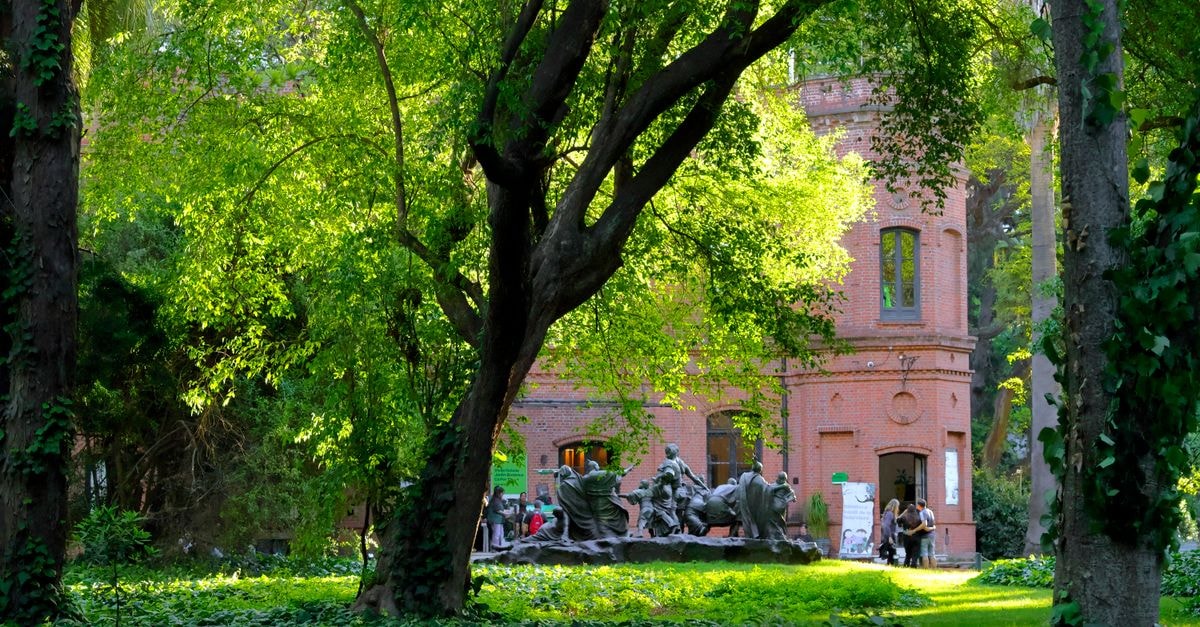
Start with a visit to **Museo Pajcha Arte Étnico**, a small but thoughtful museum dedicated to ethnographic art from the region. It is the kind of place where you can slow down, look carefully, and leave with a much richer understanding of the cultural layers that shape this part of Argentina. Because the museum is intimate, it pairs well with one or two larger stops in the same day, and it is widely considered a worthy second stop if you are working through the city's museum offerings.
From there, head up to **Cerro San Bernardo**, the hill that rises just behind the city center. At the top, you'll find a series of lookout points, a few terraced gardens, and a monument commemorating the Battle of Salta. The combination of panoramic views, greenery, and a quiet moment of reflection makes this one of the most rewarding ways to orient yourself to the geography of the region. Bring a camera, give yourself extra time at the summit, and consider walking down the winding path if you want a gentler way to return to the city.
Wine Country and Day Trips to the West
To the west of Salta lie both a national park and a series of mountain towns, and the area is worth considering if you are planning an extended stay in the region. Wineries recommended by travelers who have spent time exploring this stretch of country include **El Porvenir**, **Domingo Molina**, and **El Esteco**, each offering a different take on the high-altitude wine tradition that has grown up around the city. Tasting at one or more of these estates gives visitors a way to connect the landscape outside Salta with something tangible to bring home, and it pairs naturally with the slower rhythm of the city itself.
For travelers looking to spend more time outdoors, **Parque Nacional de los Cordones** offers a hiking-focused alternative west of Salta. It is the kind of day trip that rewards an early start and a flexible schedule, and it adds a different texture to a stay that might otherwise be spent entirely within the urban core. Because these destinations sit at some distance from the city center, setting aside a full day for the excursion tends to make the experience more relaxed than trying to combine it with other plans.
Food and Local Context
Salta sits within a wider Argentine food culture that takes its cheese traditions seriously, and one ingredient you are likely to encounter in some form during your stay is **queso de cabra**, or goat cheese. Across Argentina, goat cheese appears in everything from simple cheese plates to richer regional preparations, and it tends to show up wherever local producers are celebrated. Visitors who enjoy tasting their way through a new city should keep an eye out for it on menus, at markets, and as part of cheese boards offered alongside a glass of regional wine.
Practical Notes Before You Go
Because this is an evergreen guide, a few details are worth flagging for travelers at any time of year. Museum visits, hilltop viewpoints, and the city center are all easily walkable from most central accommodations, while the wineries and the national park sit at a distance and generally benefit from a dedicated day.
If you have flexibility in your schedule, give yourself at least a couple of full days. That gives you room for a museum morning, a Cerro San Bernardo afternoon, and one full day west toward the vineyards or the national park, without feeling like you are racing the clock. Travelers who like a slower rhythm may want even more time.
Conditions on the ground can change, so it is always a good idea to confirm opening hours, transport options, and any park access requirements with official sources before your visit. Treat this guide as a starting point for your own planning rather than a fixed itinerary, and let the city's relaxed pace shape the rest.
---
*Factual travel conditions can change without notice. Verify details such as opening hours, transport availability, and park access through official channels before departure.*
Share this article
TOOLS FOR THIS PLAN
Make the Salta plan measurable
Choose a tool only when it answers the next question in your trip. Your values stay in the browser, and each tool offers a route back to this planning context.