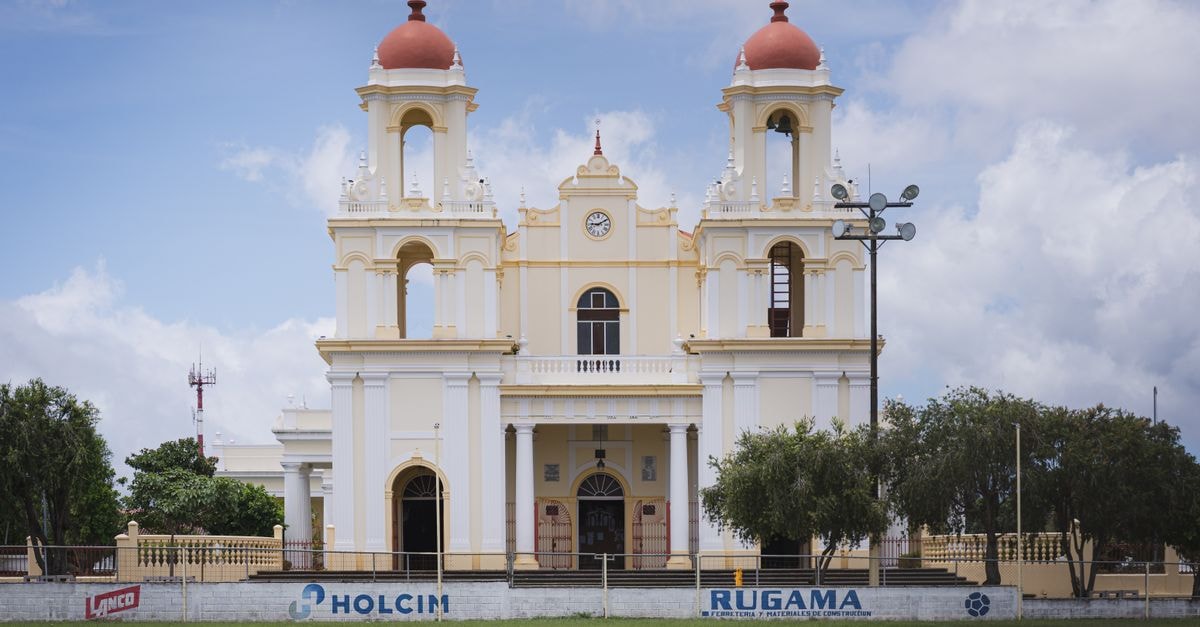
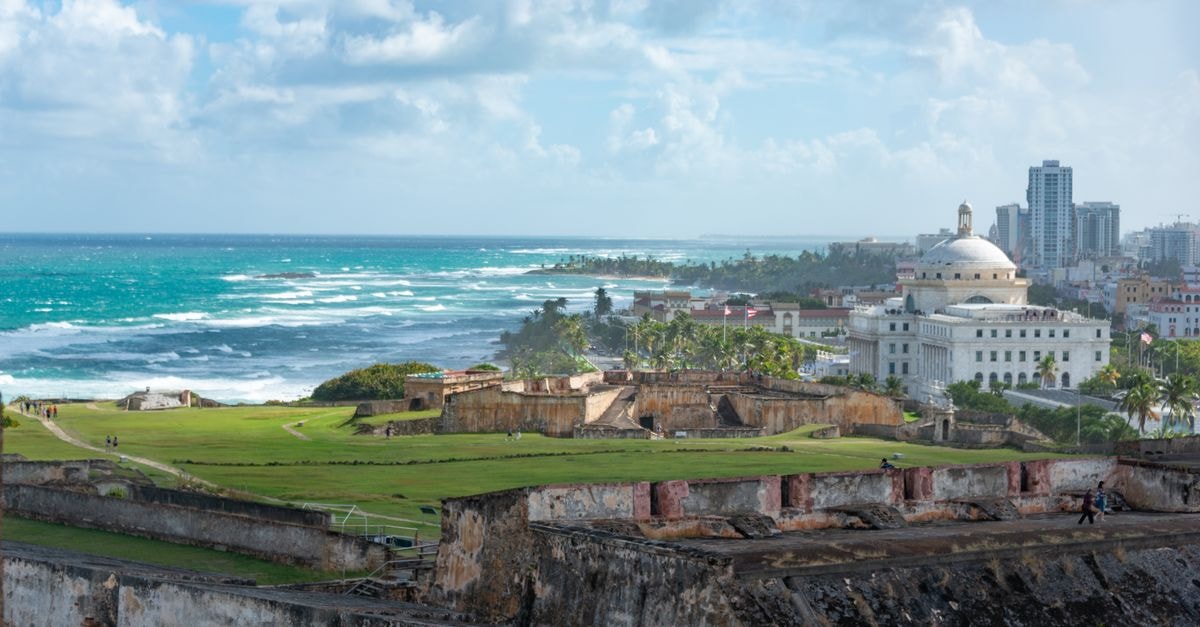
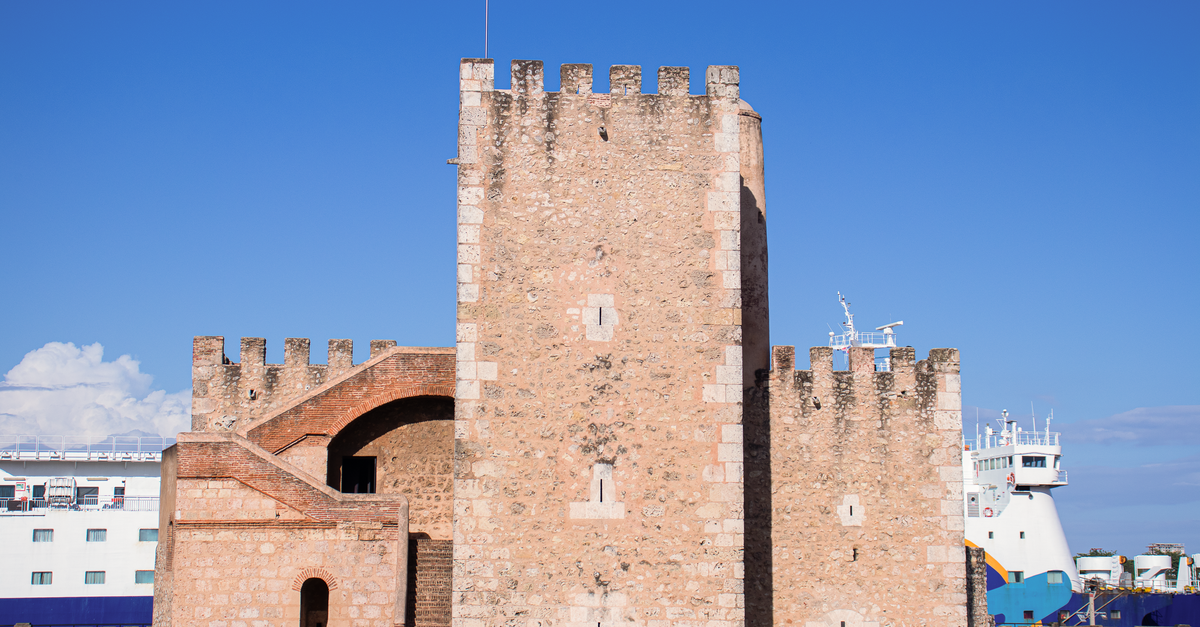
A Quieter Doorway to the Capital

The neighbourhood texture here is unhurried, the streets feel lived-in rather than staged for visitors, and the pace of a morning café or an evening stroll tends to be gentle. It is the kind of place where a visitor can settle into a longer stay, work remotely from a shaded terrace, or simply use it as a calmer home base while spending active days elsewhere in the metropolitan area.
Weather and Seasonal Context
The wider Santo Domingo Oeste area sits in a tropical climate where warmth is the constant and rainfall is the variable. According to climate data for the area, the most reliable stretch for warm-weather activities tends to fall from late November through early April, when conditions are typically drier and more comfortable for being outside. Outside that window, humidity rises, showers arrive more often, and the city's relaxed pace rewards travellers who plan around the weather rather than fight it.
Even in the warmer, wetter months, the city does not shut down. Mornings and early evenings usually offer comfortable windows for walking, sightseeing, and outdoor meals, while the middle of the day can feel heavy. Pacing the day with that rhythm in mind, leaning into shade during the hottest hours and saving museums, shops, and restaurants for the peak of the heat, tends to make the experience feel smoother. Light rain gear and quick-dry clothing can be sensible staples, since tropical showers may arrive with little warning.
Getting Around
Santo Domingo Oeste is positioned to make capital-area travel relatively straightforward, particularly if you mix modes. The Metro is the backbone for longer stretches, an efficient, budget-friendly way to cover real distance without sitting in street traffic, and it links the western neighbourhoods to the wider city. Because the network is designed around longer journeys rather than door-to-door trips, the most useful habit is to combine Metro travel with a ride-sharing service or an easy walk for the final stretch to your specific stop or address.
For day-to-day movement within Santo Domingo Oeste itself, the layout is forgiving. The streets are organised in a way that makes short walks pleasant, and many of the daily needs, from small shops to family parks, sit within a comfortable radius. Travellers who prefer not to rely solely on the Metro tend to use a mix of ride-sharing for convenience, taxis for quick hops, and walking whenever the route is straightforward. If you are driving in, the calmness of the residential streets is part of the appeal, but the same traffic realities of the wider capital apply once you cross toward the busier districts.
Attractions and Planning
The attractions picture for Santo Domingo Oeste is less about a packed checklist of must-see landmarks and more about how the area functions as a base. It is largely a residential municipality with neighbourhood parks and family services, which makes it especially practical for parents who need access to local schools, routine amenities, and a predictable environment while still being within reach of the capital's bigger draws. That same practicality extends to any traveller who values a calm home address over a downtown hotel.
For general trip planning, a few habits help. Build your day's main outing around a single anchor in the wider capital area, then return to Santo Domingo Oeste to unwind. Use the Metro for the longest leg of that journey, and keep the first and last mile flexible with a ride-share or a walk. Treat the National Botanical Garden and any other green space as a midday or late-afternoon reset rather than a hurried stop, and leave unscheduled time in the evening to simply enjoy the neighbourhood.
Food and Local Context
The food culture you encounter in Santo Domingo Oeste sits within a wider Dominican Republic tradition, where the kitchen is built around slow-cooked preparations and a deeply aromatic flavour base. The sofrito, a seasoned blend of aromatics, forms the foundation for many of the dishes you will find across the country, and its slow-simmered character gives even simple plates a sense of depth. Understanding that wider context helps you read a menu confidently, whether you are eating in a small neighbourhood kitchen, a casual café, or a more formal dining room in the capital just a short ride away.
Because Santo Domingo Oeste is residential, the eating picture here is shaped by everyday local spots rather than a dense cluster of tourist-facing restaurants. That tends to favour places where the menu reflects what Dominican families actually cook at home, with slow-cooked stews, rice dishes, and seasoned proteins built on the same flavour base you will find in the capital's better-known kitchens. For travellers who like the idea of eating the way a neighbourhood eats, that everyday quality is a feature rather than a limitation.
If you want to explore Dominican cuisine more deeply, the capital's broader restaurant scene is a short Metro or ride-share away, and it is worth planning at least one meal there as an anchor for your food experience.
Practical Notes Before You Go
Because travel conditions can change, including schedules, opening patterns, and service availability, it is always worth checking official channels for the latest information before you depart and again shortly before any planned outing. Prices, hours, and operational details shift, and a quick verification keeps your plans grounded in the present moment.
This guide is built on durable city information rather than a specific window of time, so it should remain a useful starting point whenever you choose to visit. Adjust your pace to the season, lean into the local rhythm, and let Santo Domingo Oeste's quieter character do the rest.
Share this article
TOOLS FOR THIS PLAN
Make the Santo Domingo Oeste plan measurable
Choose a tool only when it answers the next question in your trip. Your values stay in the browser, and each tool offers a route back to this planning context.