Setting the scene in Saratov

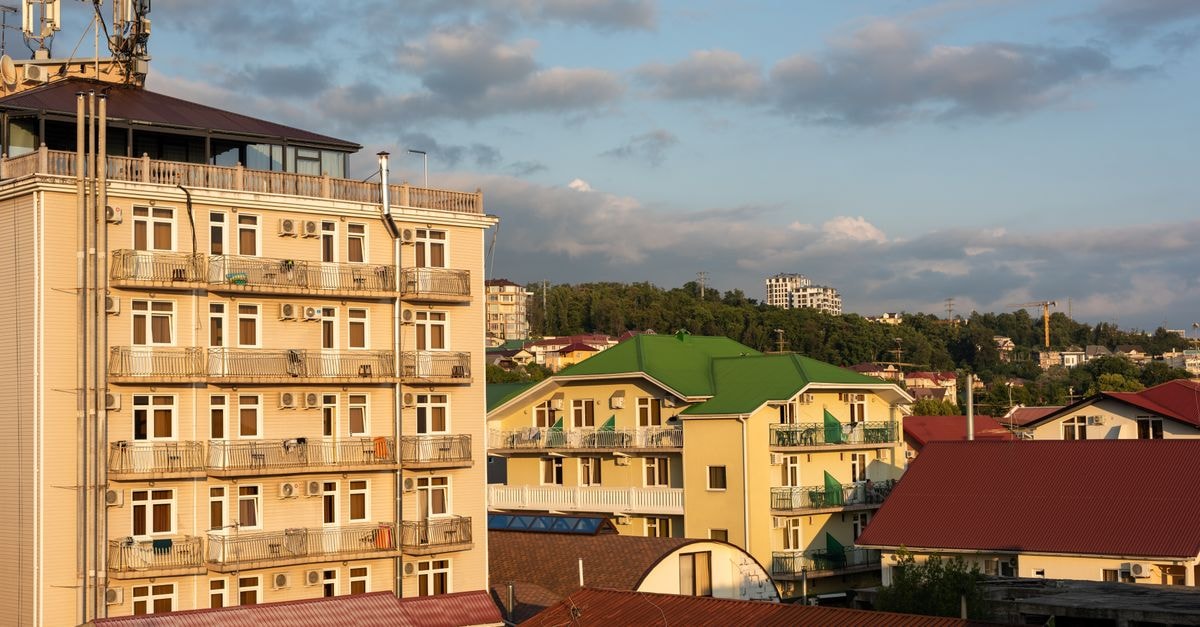
Saratov has the kind of unhurried, river-set feel that tends to appeal to travelers who prefer wandering over ticking boxes. Set along the Volga, it carries the visual rhythm of a southern Russian provincial capital: long embankments, a wide working river, and a skyline where elegant pre-revolutionary facades sit surprisingly close to plain Soviet-era blocks. There is no single monumental landmark to photograph from a postcard angle; the city reveals itself gradually, which is part of its charm.
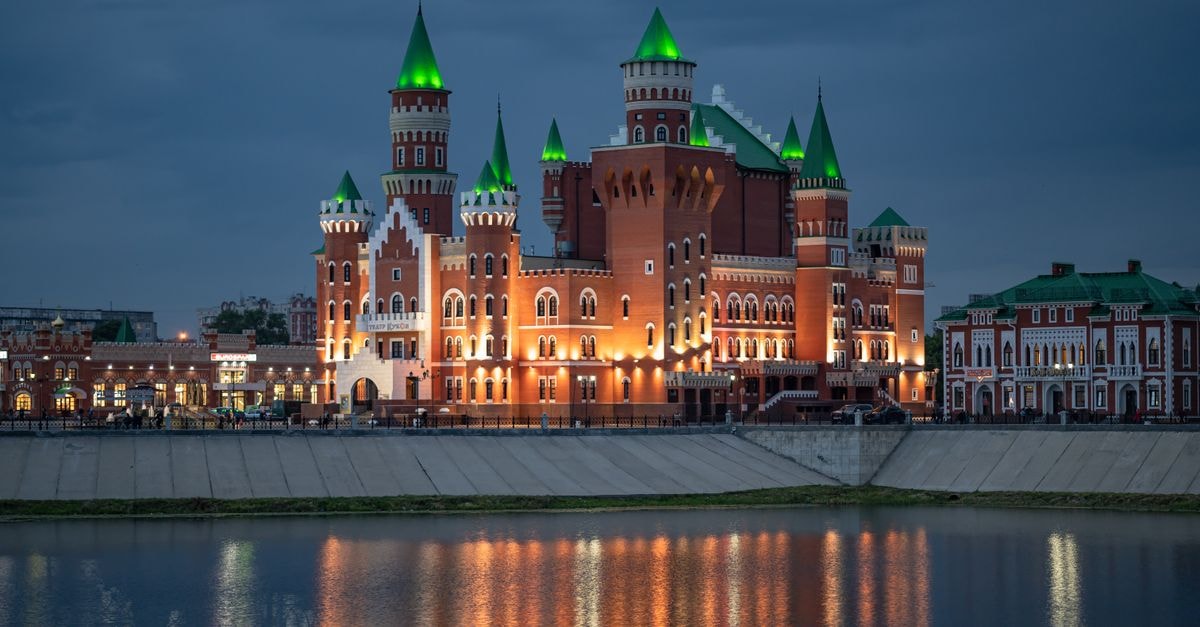
A walk along the **Volzhskaya embankment** is a natural starting point. In the late afternoon, the palette shifts noticeably: the industrial gray of the working waterfront warms up as sunlight catches the river surface, and the long bridge spanning to Engels glints in the distance. That soft transition, more than any one viewpoint, is what gives the embankment its identity.
Away from the river, the cityscape continues to mix periods. Architectural contrasts are visible on the same streets, and the everyday soundscape reflects that layering too: tram bells on major arteries give way, in places, to the sound of rehearsals drifting from the **Saratov Conservatory**. For a visitor, this blend of eras is less about sightseeing and more about the texture of an ordinary day in Saratov.
Seasonal context for visitors
Saratov sits in a part of Russia where the climate leans continental, and the riverfront is the most weather-sensitive part of any visit. Because long-term climate patterns vary, it is more useful to plan around how the city feels in different conditions than to assume any single temperature.
On warmer days, the Volzhskaya embankment becomes the social spine of the city. Late afternoons tend to feel softer, when the light shifts and the water reflects the warm palette described above. A more relaxed pace, with breaks in shaded streets or a café, usually works better than trying to cover long distances on foot.
In cooler or unsettled weather, the inland streets come into their own. The contrast between older elegant facades and Soviet-era blocks is easier to appreciate at a walking pace, and the city's interior courtyards and small cultural venues — including the conservatory area — reward unhurried exploration. Layered clothing and comfortable shoes make sense year-round; the wind off the Volga can make the embankment feel noticeably cooler than the streets one block inland.
Because seasonal specifics cannot be guaranteed from general city information, it is worth checking a live forecast closer to departure and dressing in a way that can adapt between riverfront breezes and sheltered city streets.
Getting around and orientation
Saratov is laid out along the Volga, and the river is still the most reliable orientation tool. The **embankment** runs along the western edge of the historic core, and most of the city's central landmarks, institutions, and tram-served streets sit on the higher ground a short walk inland. Looking south across the water from the embankment, the long bridge toward Engels is a useful visual landmark for getting your bearings.
Public transport within the city is centered on the tram network, whose bells are part of the everyday soundscape. For a visitor staying centrally, walking and trams cover most day-to-day needs. The distances inside the core are manageable, but the climb from the lower embankment up to the main streets can feel longer than it looks on a map.
Because transport information in general guide material can shift over time — routes, stops, and operating patterns evolve — it is sensible to confirm the current tram routes and any bus or marshrutka options at a hotel, ticket office, or local information point before relying on them for a specific journey.
The deeper history beneath the streets
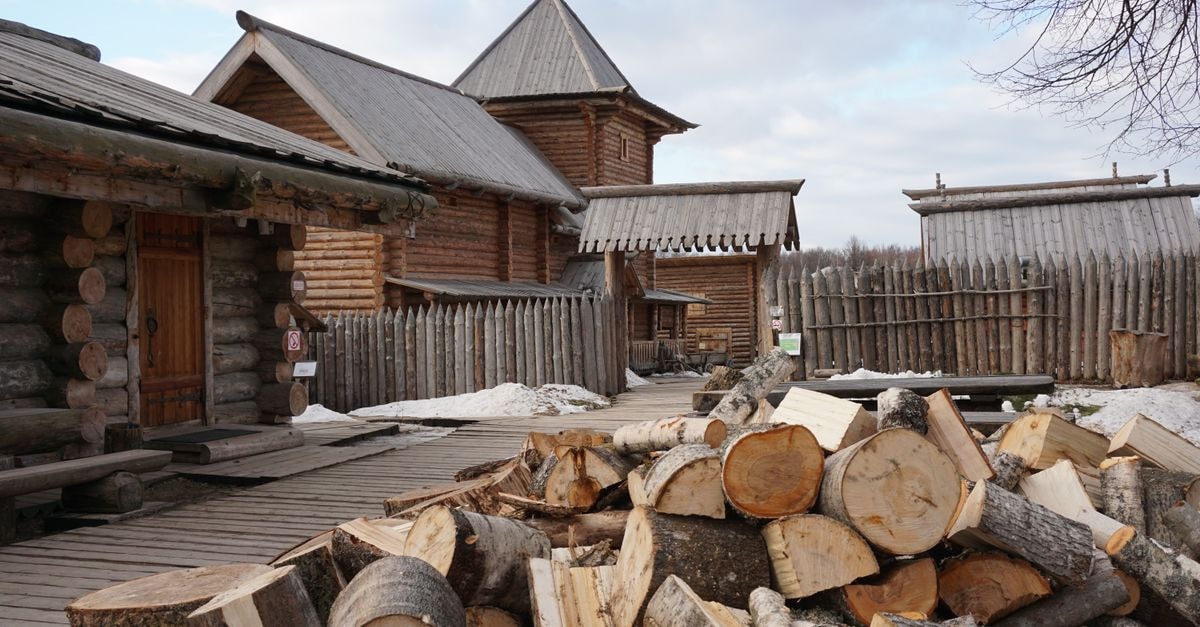
Saratov's present-day atmosphere is easier to read once you know how old the settlement really is. The city itself was established as one of the **southern fortifications along the Volga river during the 16th century**, built to guard the southeastern reaches of the growing Russian state. That military origin still shapes the layout: a compact historic core, a clear relationship to the river, and an orientation outward toward the steppe.
The area around Saratov, however, is considerably older than the city. The nearby site of **Uvek** dates back to the **Golden Horde** and was destroyed in **1395 by Tamerlane** during his campaign into the region. For visitors, this layered past means the ground beneath the modern city carries far more history than the 16th-century founding date suggests, and regional museums and local historical material can fill in that deeper timeline if it sparks curiosity.
Knowing that Saratov is both a fortified 16th-century outpost and a city built on land with a much longer record of settlement helps frame the architecture you see today. The elegant facades and the plain Soviet blocks are just the most recent layers in a much longer story.
How long to stay and what to expect
Saratov is not a destination that rewards a rushed stopover. A short visit of a day or two can comfortably cover the embankment walk, the central streets with their mixed architecture, and a quieter evening near the conservatory district. Travelers who enjoy slower cities, regional history, and riverfront light often find that extending a stay by a day turns a quick look into a more satisfying trip.
The pace here is gentle, services for visitors are concentrated in the center, and the most rewarding experiences tend to be unscripted — a long walk along the Volga, an hour spent people-watching on a main avenue, or stepping into a small performance space. That rhythm is one of Saratov's quiet advantages for the right kind of traveler.
A few practical notes before you go
- **Footwear matters more than itinerary.** The mix of embankment stone, tram-lined avenues, and older sidewalks rewards comfortable shoes more than a packed schedule. - **Layered clothing helps.** Conditions along the river and a block or two inland can feel quite different on the same day. - **Confirm transport details locally.** Tram routes and other city transport can change, so verify current options on arrival rather than relying solely on older general information. - **Keep plans flexible around the riverfront.** The embankment is at its best in the late afternoon light, which is worth planning around if the weather cooperates.
Travel conditions can change, and official channels — local transport information, regional tourism resources, and up-to-date weather services — should always be checked before departure.
Share this article
TOOLS FOR THIS PLAN
Make the Saratov plan measurable
Choose a tool only when it answers the next question in your trip. Your values stay in the browser, and each tool offers a route back to this planning context.