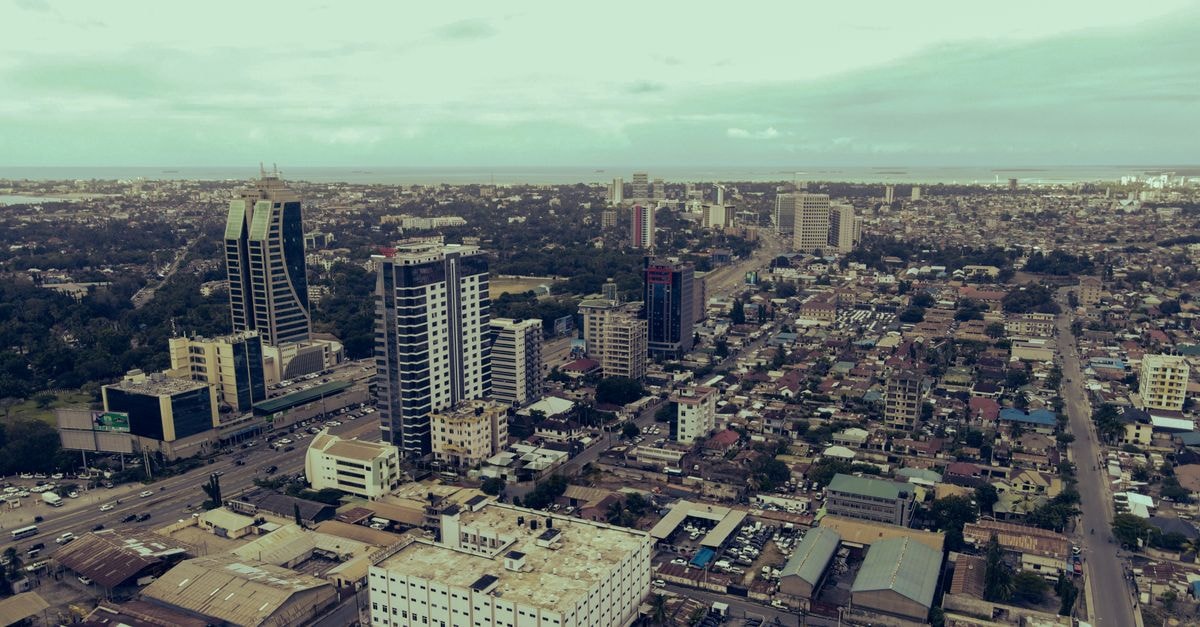
A coastal welcome to Sekondi-Takoradi

Sekondi-Takoradi has the easy, unpolished charm of a working port city that hasn't been dressed up for visitors. The two towns of Sekondi and Takoradi sit side by side along Ghana's western coast, linked by history, by a shared harbor rhythm, and by a culinary culture that leans confidently toward the sea. Travelers who arrive curious rather than chasing a checklist often find the most rewarding moments here: a plate of food that arrives still steaming, a stretch of Atlantic horizon, a station platform where the rest of the country feels close at hand.
What follows is a grounded, evergreen guide to the essentials. It is built from a small set of approved sources, so it stays focused on what those sources actually support: the wider seasonal character of the coast, how the railway ties Sekondi-Takoradi into the rest of Ghana, and the food culture that locals are quietly proud of.
Weather and seasonal context
Long-term climate context for Sekondi-Takoradi is drawn from a historical reanalysis dataset sampled at a local grid point, so any description here is about typical patterns rather than a forecast for a specific day. The city sits on the Gulf of Guinea coast, and that geography shapes almost every outdoor plan a visitor makes.
The coastal setting means humidity is a constant presence, mornings can begin hazy or overcast, and the sky can shift quickly between bright sun and a short, sharp shower. Travelers used to drier, inland climates sometimes find the air heavier than expected, so a slower pace, lighter clothing, and regular water breaks tend to serve visitors better than a packed schedule. Because Sekondi-Takoradi is a port and industrial city rather than a beach resort, much of the sightseeing happens in and around the urban core, where shade, sea breezes, and covered verandas offer natural relief.
The key practical advice here is gentle rather than prescriptive: plan the day around how the air feels, and treat any outdoor stretch as something to pace rather than rush through. Specific temperatures, rainfall totals, or current conditions for a given date are not part of the supported evidence, so this guide deliberately keeps weather advice at the level of typical coastal character.
Getting around
Sekondi-Takoradi's position on Ghana's railway map is one of its most useful, and most underappreciated, travel facts. The main railway lines to Accra and Kumasi pass through Sekondi-Takoradi, which means the city is genuinely connected to two of Ghana's largest urban hubs by rail. For a traveler who enjoys overland journeys, that single detail can reshape a Western Region itinerary, turning the city from a remote endpoint into a natural waypoint on a longer Ghana route.
For visitors who do arrive by train, the station itself becomes a small landmark and a useful reference point for orientation. Within the twin cities, local movement typically relies on the everyday transport mix common to Ghanaian urban centers: shared taxis, tro-tros, and short-distance options that connect the Sekondi and Takoradi sides of the metropolitan area. The harbor road, the central markets, and the principal eating spots tend to cluster close enough together that walking between them is often realistic in the cooler parts of the day.
A few practical notes worth keeping in mind:
- Treat the railway as a strategic route, not a frequent commuter hop. Train services in this corridor generally run on limited schedules, so building a day plan around a specific service rather than a vague hope of "catching a train" is wise. - Within Sekondi-Takoradi, asking locally for the current tro-tro or shared-taxi routing is more reliable than any printed advice, since routes and pickup points can shift. - Because the harbor is an active port, some areas near the docks are industrial and not designed for casual wandering. Visitors tend to gravitate to the commercial and eating streets rather than the working quayside.
Food and local context
The culinary scene in Sekondi-Takoradi is a delightful blend of local and international flavors, and the city's most famous plate is a strong anchor for any visit. Sekondi-Takoradi is famous for its dish of Banku and Tilapia, a combination that pairs a fermented corn-and-cassava dough with grilled fish, usually served with pepper sauce, onions, and sometimes a simple tomato-based stew on the side.
Banku and tilapia works on several levels for a traveler. It is hearty, filling, and well suited to the coastal climate, where a warm, starchy plate and a freshly grilled fish feels right at any time of day. It is also deeply local: visitors who want to understand Sekondi-Takoradi through its food rather than its landmarks often find that a sit-down meal of banku and tilapia says more about the city than any museum or viewpoint. Ordering is usually straightforward: ask for "banku and tilapia," expect a whole fish, and pace yourself, because portions tend to be generous.
The wider food culture in Sekondi-Takoradi does not stop at this signature dish. Because the city is a port, fresh fish and seafood more broadly feature heavily in everyday meals, and the international influences that come with a working harbor mean that travelers can also find familiar flavors alongside Ghanaian staples. The key is to treat the local food scene as something to step into rather than browse from a distance. Markets, chop bars, and small neighborhood eateries are where the everyday rhythm of the city becomes visible, and they tend to reward travelers who arrive with an appetite and a little patience.
A few grounded travel notes
A short guide built from a small evidence base has to be honest about what it can and cannot promise. What the supported facts clearly support is this: Sekondi-Takoradi is a coastal Ghanaian city with a real railway connection to Accra and Kumasi, a well-known signature dish in banku and tilapia, and a broader food culture that mixes local and international influences. Everything in this guide sits within those boundaries.
Travelers planning a visit should treat the following as durable, evergreen points rather than current conditions: the railway matters as a strategic route, banku and tilapia is the dish to try at least once, and the coastal climate rewards a flexible, unhurried pace. Specific train timetables, restaurant prices, opening hours, and current weather details are not part of the supported evidence here, and verifying them through official channels before departure is the responsible step.
Conditions on the ground can shift, and local sources will always be more accurate than any printed guide. Check current transport schedules, confirm opening hours for any specific venue you plan to visit, and keep an eye on official advisories before you travel. Rates, prices, and schedules mentioned or implied in any guide, including this one, should be reconfirmed close to your travel date.
> Factual conditions in any destination can change. Treat this guide as a starting point, not a final answer, and confirm key details with official transport, weather, and tourism sources before departure.
Share this article