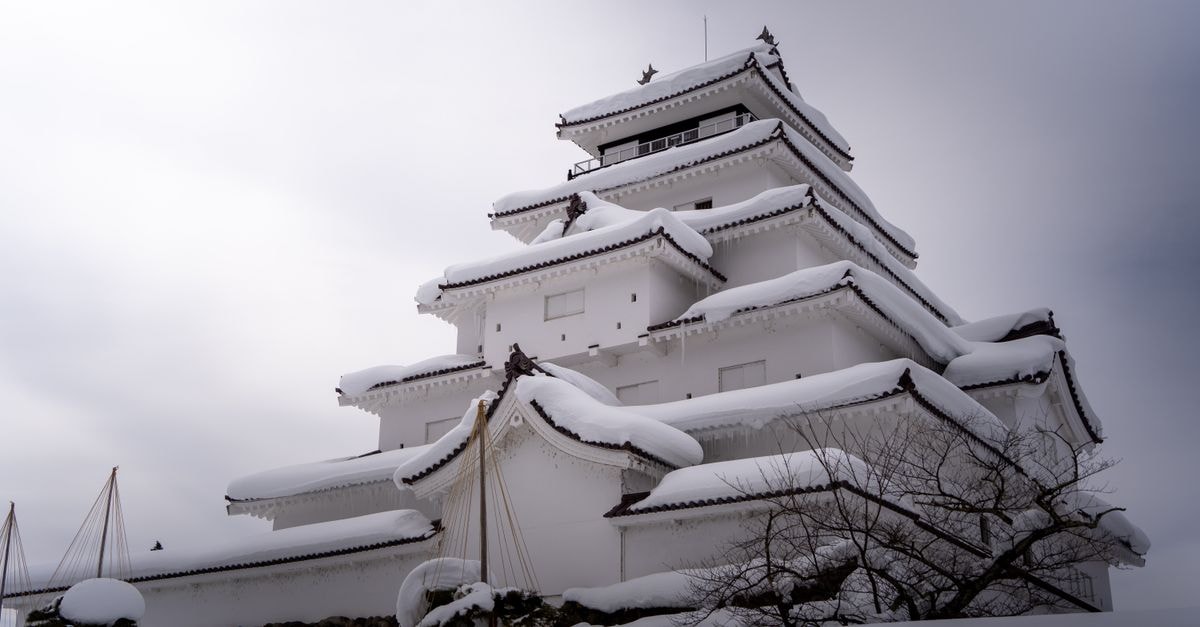
A City Shaped by Contrasts

Seoul rewards travelers who arrive curious. Ancient palace gates sit within walking distance of subway tunnels and busking parks, and the city has long been defined by its food culture — a seriousness about eating that visitors notice within a few meals. This Seoul travel guide focuses on the practical foundations: how the climate behaves across the year, how to move between the airport and the city center, where to anchor first-time sightseeing, and how to read the local food scene without overpaying or missing the point.
Weather and Seasonal Context
Seoul enjoys a temperate climate with four distinct seasons, which is helpful framing for anyone deciding what to pack. Because the city moves through a full four-season cycle, the same itinerary can feel completely different depending on when you arrive — heavier layers are sensible in the colder stretches, while lighter breathing room makes long walks between palaces more comfortable in warmer stretches. Travelers who pace their days with the season in mind tend to get more out of the city's outdoor courtyards and street-level neighborhoods.
Getting Around
Seoul's airport arrival is one of the easier entry points in the region. The Airport Railroad (AREX) is the fastest way to travel between Incheon International Airport and Seoul Station, a major hub in the city, which makes it a natural first choice for travelers who want a predictable, fixed-route journey into the center. Beyond AREX, transportation options from the airport to downtown Seoul include the Airport Railroad (AREX), Airport Limousine Bus, and taxi — useful to know if you arrive late, travel with heavy luggage, or are heading to a neighborhood that the rail line does not serve directly.
Once inside the city, Seoul has an extensive network of public transportation and taxis, which means the choice between subway, bus, and cab is mostly about convenience rather than necessity. Many first-time visitors rely on the subway and AREX as their default, treating taxis as a backup for late returns or for areas that take more time to reach on foot.
Attractions and Planning
Seoul's five grand palaces are often described as the city's cultural backbone, each offering a different window into Korea's Joseon Dynasty (1392–1897). They work well as anchors because they cluster in the historic center, are relatively forgiving on the budget, and pair naturally with walking routes between them. Travelers who approach the palaces slowly — a single palace per half-day rather than a rushed checklist — usually leave with a much sharper sense of how the era shaped the city layout.
For something more contemporary, the small park in front of Hongik's main gate has earned a reputation as the open-mic of Seoul, with amateur K-pop dance covers, guitar singer-songwriters, and the occasional more serious rock act. It is the kind of unplanned stop that fits easily into an evening, and it shows a different side of the city than the palaces: closer to the ground, less curated, and shaped by whoever happens to turn up to perform.
Food and Local Context
Fewer topics explain Seoul better than what people eat. The city has long been defined by food and the serious way it is approached at every level of daily life — home kitchens, neighborhood restaurants, and busy late-night counters. For first-time visitors, the best starting point is to focus on a small handful of iconic dishes rather than trying to cover everything. Local food writers often encourage newcomers to seek out five dishes every first-time visitor should know, a manageable framework for anyone who has only a few meals to learn from.
Korean food culture reaches deeper than recipes. Many of the most recognizable Korean dishes reflect centuries-old traditions of preserving food through fermentation, while others are tied to seasonal customs or have become symbols of modern Seoul. Understanding that range — from preserved classics to contemporary favorites — helps visitors read menus with more confidence and order with more curiosity. It also frames why the same dish can taste different across neighborhoods: regional variation, family technique, and seasonal ingredients all play a role in how Korean food is prepared and served.
When eating out, a relaxed approach works well. Order a few shared dishes rather than one main per person, ask servers what is fresh that day, and treat the side dishes as part of the meal rather than a bonus. Across South Korea, meals are commonly shared at the center of the table, an etiquette detail visitors tend to pick up naturally once they sit down.
A Few Practical Pointers
- AREX from Incheon to Seoul Station is the most straightforward airport transfer for travelers without oversized luggage. - The palace route is best planned as a half-day walk rather than a full schedule, leaving room to stop at small side streets along the way. - Hongdae is an easy evening stop and pairs naturally with dinner in the same neighborhood. - Give yourself permission to eat simply. Not every memorable meal in Seoul needs to be a planned one.
Before You Go
Travel conditions change, and details that are accurate today — schedules, ticketing rules, transit maps, even some menus — can shift between the time a guide is written and the time you travel. Cross-check the most current information through official tourism channels and transport operators before you depart, so your trip reflects Seoul as it actually is when you arrive.
Prices, opening hours, schedules, reservation rules, and local conditions can change; verify them through official channels before departure.
Share this article
TOOLS FOR THIS PLAN
Make the Seoul plan measurable
Choose a tool only when it answers the next question in your trip. Your values stay in the browser, and each tool offers a route back to this planning context.