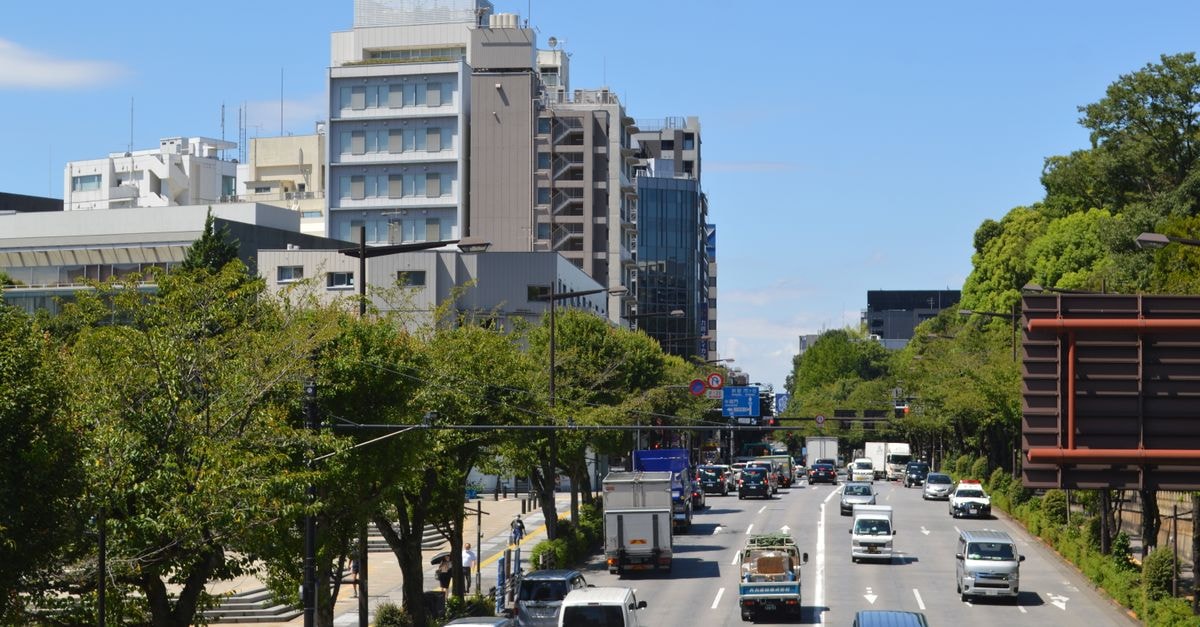
Destination Overview

Aizuwakamatsu sits in the Aizu Basin in Fukushima, surrounded on three sides by the Ou Mountains, and it has carried weight as a regional center for a long stretch of Japanese history. It served as a political and military center, and was famous for its line of celebrated military commanders turned Aizu lords. The city is often described as the last stronghold of the samurai at the end of the 19th century, and that past is still part of the texture of the place today. Visitors tend to come for the layered history rather than for a checklist of big-name attractions, and the slower rhythm of the basin matches that pace.
Weather and seasonal context
The geography shapes the climate more than the calendar does. Aizuwakamatsu sits at around 550 metres above sea level in the Aizu Basin, surrounded by the Ou Mountains on three sides. That bowl of mountains gives the city dramatically distinct seasons. Winters bring heavier snow than coastal Tohoku, summers tend to run cooler than Tokyo, and autumn colour arrives earlier here than it does further south. Because the basin traps weather and softens peaks, the city can feel quieter and cooler than the forecast for the wider region might suggest, so pacing the day a little more gently is often the more comfortable choice.
In practical terms, this means travelers used to coastal or lowland Japanese weather should pack with the elevation in mind. Layering matters more than a single heavy coat in the cool months, and the same idea works in reverse when summer warmth does arrive: a light layer is rarely wasted after the sun drops behind the ridges. The shorter autumn window is one of the basin’s quiet draws, since the colour change tends to come earlier than in cities to the south.
Aizuwakamatsu City has flourished as a major northeastern city since ancient times. That long civic history is worth holding alongside the climate picture, because the seasons here were always part of daily life for the people who built the city, not just a backdrop for visitors.
Getting around
The gateway is Aizu-Wakamatsu Station, which is the rail hub the rest of the trip tends to branch out from. If you are coming in by train, you will most likely change trains at Koriyama before continuing on to Aizu-Wakamatsu Station. That single transfer at Koriyama is the most common routing point for travelers arriving from the south or from the Shinkansen network, and it is worth thinking of Koriyama as the practical door rather than a delay.
The broader transport picture is straightforward: the standard access page for the city is built around how to get to Aizu Wakamatsu city by trains and by airplane. That phrasing reflects the real choice visitors face, since rail via Koriyama is the default for many itineraries, but flying into a nearby airport and then connecting overland is also a workable pattern. Within the city, distances between the main historical sights are short enough that a combination of local buses, taxis, and on-foot wandering tends to cover most plans without much difficulty. The samurai history that visitors come to see is concentrated enough that you do not need a car to enjoy the core of the city, though having one can help if you want to range more widely across the basin.
Attractions and planning
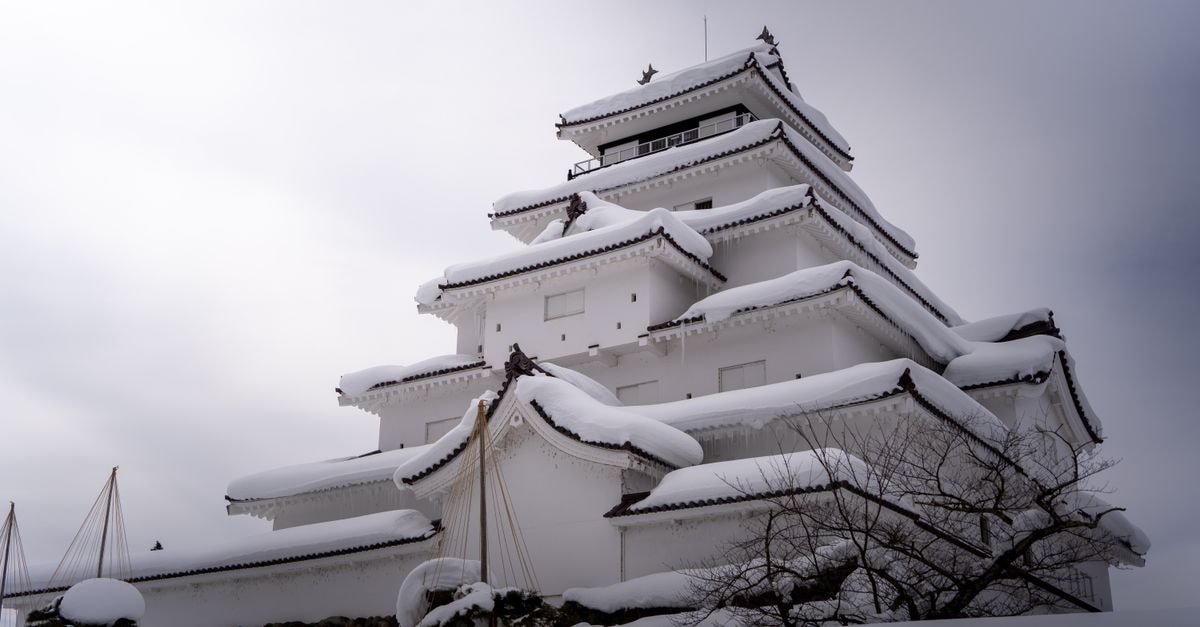
The historical core of any Aizuwakamatsu visit is the samurai story itself. The city is remembered as the last stronghold of the samurai at the end of the 19th century, and there is much to see of this history. Two specific anchors come up repeatedly in planning notes, and they sit at a useful distance from each other. Mount Iimori is 16 km from Okawaso, while Aizuwakamatsu Castle is 14 km from the same property. Those two reference points give a rough sense of how the historical sights are spread across the basin rather than clustered in a single square.
Accommodation in the city also has a heritage angle. Aizuwakamatsu offers a recently renovated ryokan experience within a historic building, which fits the overall mood of a destination built around samurai legacy. Staying in a property that carries some of that older architecture is one way to keep the historical thread running through the whole trip rather than confining it to daytime sightseeing.
When planning the days, it helps to think in terms of the city’s two poles: the castle as the urban historical anchor, and Mount Iimori as the hilltop historical anchor, with the rest of the basin sitting between them. Because both lie at a meaningful distance from each other, travelers should give each its own unhurried half-day rather than trying to pair them into a single rushed loop. The slower pace also suits the climate of the basin, where the surrounding ridges tend to soften the day’s extremes.
Planning notes and verification
Aizuwakamatsu rewards travelers who treat it as a single-theme destination with depth rather than a checklist stop. The samurai history is the thread, the basin climate is the rhythm, and the rail link via Koriyama is the practical spine. Build the itinerary around those three, and the rest of the choices — where to stay, how long to linger, when to walk and when to ride — tend to fall into place naturally.
Factual travel conditions can change, and official channels should be checked before departure for current transport schedules, opening hours, weather conditions, and any service availability that may have shifted since this guide was written.
Share this article
TOOLS FOR THIS PLAN
Make the Aizuwakamatsu plan measurable
Choose a tool only when it answers the next question in your trip. Your values stay in the browser, and each tool offers a route back to this planning context.