A first impression of Serrekunda

Serrekunda sits within the broader City of Banjul area on the Atlantic coast of Gambia, and it tends to feel less like a postcard capital and more like a lived-in coastal town with plenty of rhythm. Travelers often arrive expecting a single historic center and instead find a spread-out settlement threaded together by sandy roads, market corners and the easy pull of the ocean. That loose, beach-adjacent geography is part of the appeal: you can spend a morning wandering and an evening with your shoes off, listening to something you didn't plan for.
For visitors coming from further afield, Serrekunda works well as a base for exploring Gambian life without the formality of a capital city. The pace is informal, the welcome is warm, and the shoreline is close enough that the sound of the surf often comes with dinner.
Attractions and planning
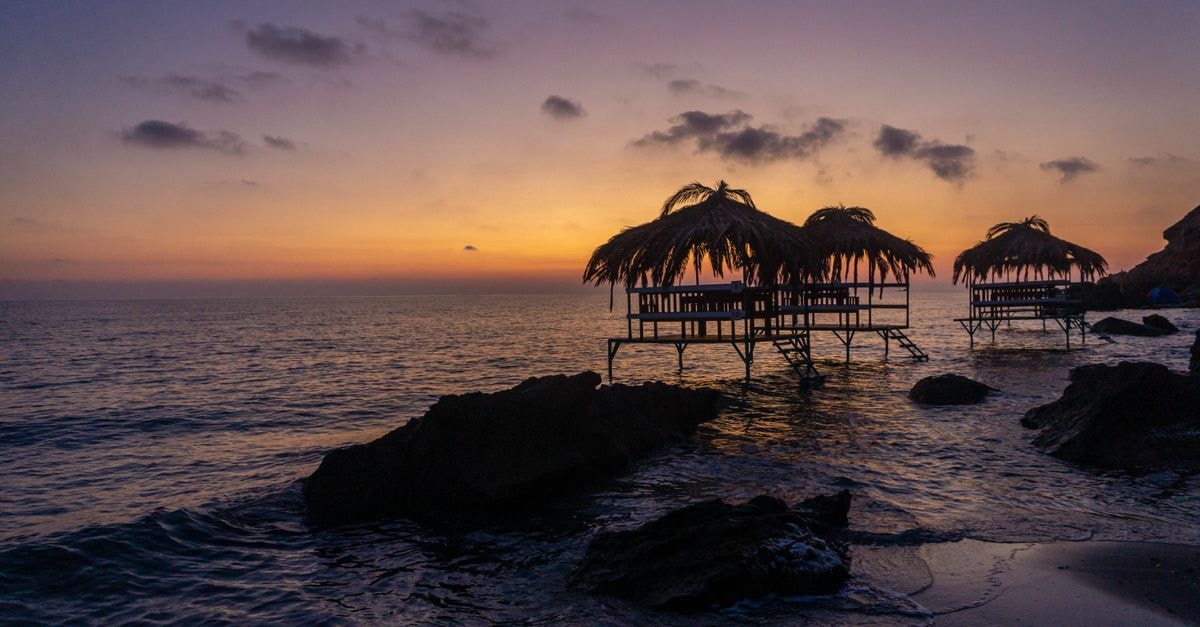
The Serrekunda area has a distinctly coastal personality, and one of the most inviting rituals takes place right on the sand. In the evenings along the beach strip, plastic chairs are set up in an oval around a fire built from coconut husks, and a sunset drumming circle gathers as the light goes down. It is the kind of experience that asks very little of you in terms of planning: you walk over as the sky softens, you find a chair, and you let the sound and the fire do the rest. There is something grounding about watching the day close out that way, and it gives the trip an easy anchor for at least one evening.
Beyond the shoreline, Serrekunda and the wider Banjul region offer a cultural layer worth slowing down for. Curated museum collections invite visitors to delve into Gambia's heritage, giving context to the languages, crafts and cross-Atlantic history that shape the country today. A museum visit pairs naturally with a beach evening: spend the quieter midday hours indoors learning about the region, then trade the galleries for the firelit oval as the day winds down. If you have only a short window in the city, that rhythm of indoor context by day and open-air atmosphere by night is a comfortable, low-stress way to experience Serrekunda.
When you are putting your days together, keep things flexible. Museums benefit from a little more intention, especially in the hotter hours when shade and air-conditioning make the visit far more enjoyable, and the beach drumming circle offers an easy complement to a structured daytime plan. Build the day around energy levels rather than a checklist, and Serrekunda tends to reward that looseness.
Food and local context
Food in Serrekunda is where the city's everyday character comes through. Markets in The Gambia are widely described as a destination in their own right, and they remain one of the most memorable ways to get a feel for the wider country that visitors encounter while in Serrekunda. The experience is about more than just produce on display; it is about the layering of voices, colors and smells that you only get by stepping into the bustle rather than reading about it from a hotel terrace. A market visit can easily turn into a slow morning of observation, conversation and small discoveries, and it tends to pair well with a quieter afternoon before the beach-side evening begins.
A few practical notes for the road
Serrekunda is informal, and a small amount of preparation goes a long way. A few light, evergreen pointers can help you settle in without over-planning:
- Pace the hot midday hours with indoor stops such as museums or a shaded market visit, and save the beachside evening for when the temperature eases.
These are habits rather than rules, and the best discoveries in Serrekunda tend to come from leaving a little white space in the day.
Final verification before you go
Factual travel conditions can change, so it is worth checking official channels and up-to-date local sources shortly before departure for the latest on transport, museum hours and beach access. Currency rates move as well, and any figures you see ahead of time should be treated as a reference only; confirm the live rate on the day you exchange. Treat this guide as a starting framework for Serrekunda rather than a fixed schedule, and let your own pace shape the trip from there.
Share this article
TOOLS FOR THIS PLAN
Make the Serrekunda plan measurable
Choose a tool only when it answers the next question in your trip. Your values stay in the browser, and each tool offers a route back to this planning context.