Destination overview

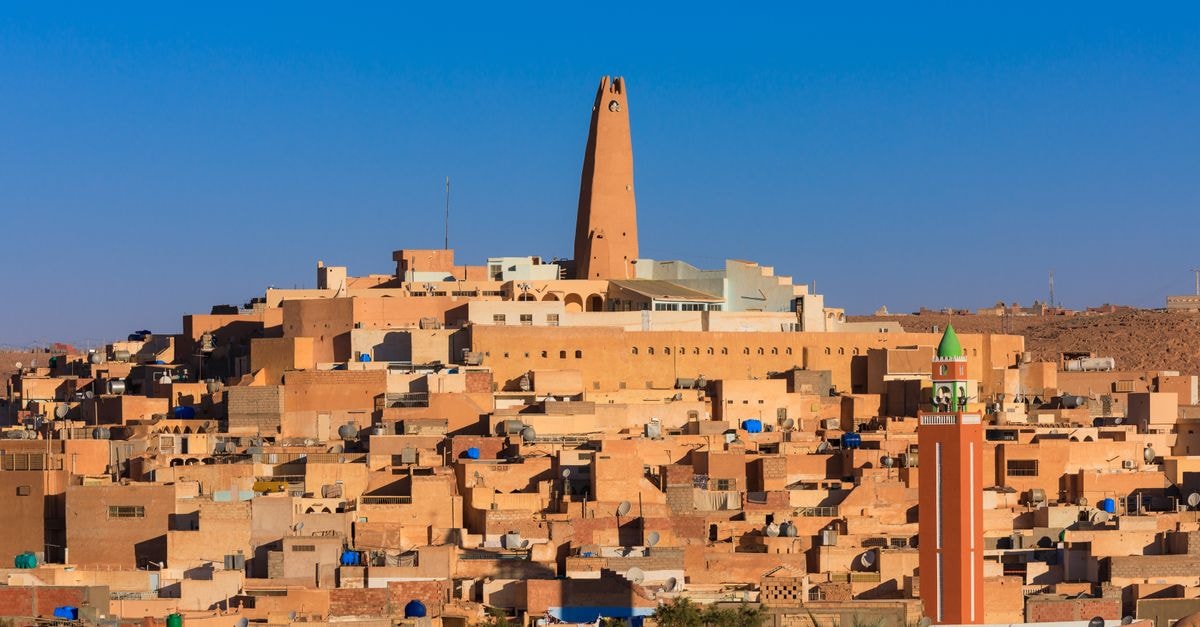
Annaba sits along Algeria's Mediterranean coast, a working port city shaped by sea air, easy seaside promenades, and the slow cadence of daily life in the northeast. For travelers who want somewhere quieter than Algiers or Oran, with a distinct coastal identity and a few genuinely worth-the-trip sights, it can feel like the kind of place that rewards unhurried exploring rather than a packed checklist.
This guide keeps things simple: how to arrive, how to orient yourself once you're there, what most visitors look at first, and how Algeria's broader food culture tends to show up on plates around the country. None of it is a sales pitch. Where details aren't pinned down by reliable information, the guide simply says so and encourages you to confirm before you go.
Getting around
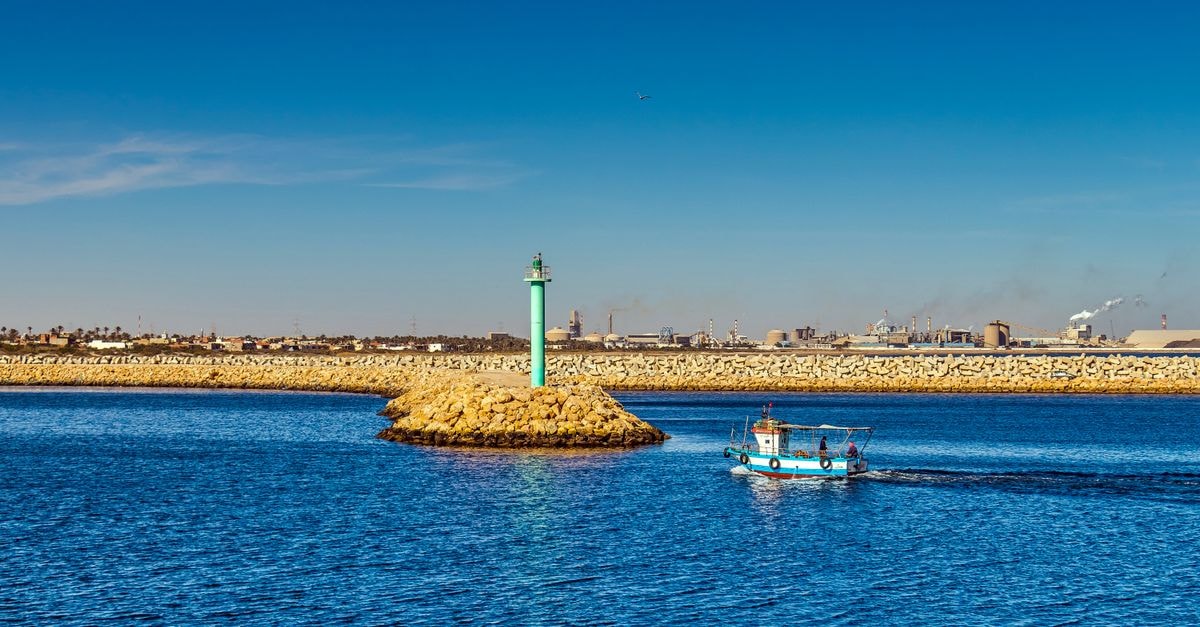
If you are arriving from overseas, the most direct sailing in calmer times has historically been a ferry link from Marseille to Annaba run by Algérie Ferries. That said, this cross-border ferry route should be treated as something travelers need to check in advance rather than something to assume is operating on a given day, because the service has been documented as not running as of March 2022, presumably tied to pandemic-era disruption. If a sea crossing matters to your trip, the practical step before booking anything is to confirm the current schedule directly with the operator.
Within the city, the main rail gateway is the Annaba railway station, listed locally as Gare d'Annaba, which sits just south of downtown. That positioning makes it useful for travelers connecting in from other parts of Algeria and a natural first reference point for finding the center on foot, since downtown lies only a short walk to the north. As with most city stations, treat the area as an orientation landmark and rely on local signage or a short ride once you arrive.
For day-to-day movement around Annaba, the city center is compact enough that the seafront, the older quarters, and the railway station can all be linked on foot if you're not in a rush. Where you need to go further, taxis and shared vans are the typical options in Algerian cities of this size, and the relevant move is simply to ask the price before you get in rather than after. Roads along the coast curve with the bay, which is part of the appeal of walking here at all.
Attractions and planning
Curated coverage of Annaba tends to single out a fairly familiar list of ten primary points of interest in and around the city, grouped under a single "General info" heading on one popular English-language roundup. The practical takeaway for a traveler is that Annaba rewards at least a couple of days focused on the central coast, the historic core, and the higher ground that overlooks the bay, rather than being treated as a quick pass-through.
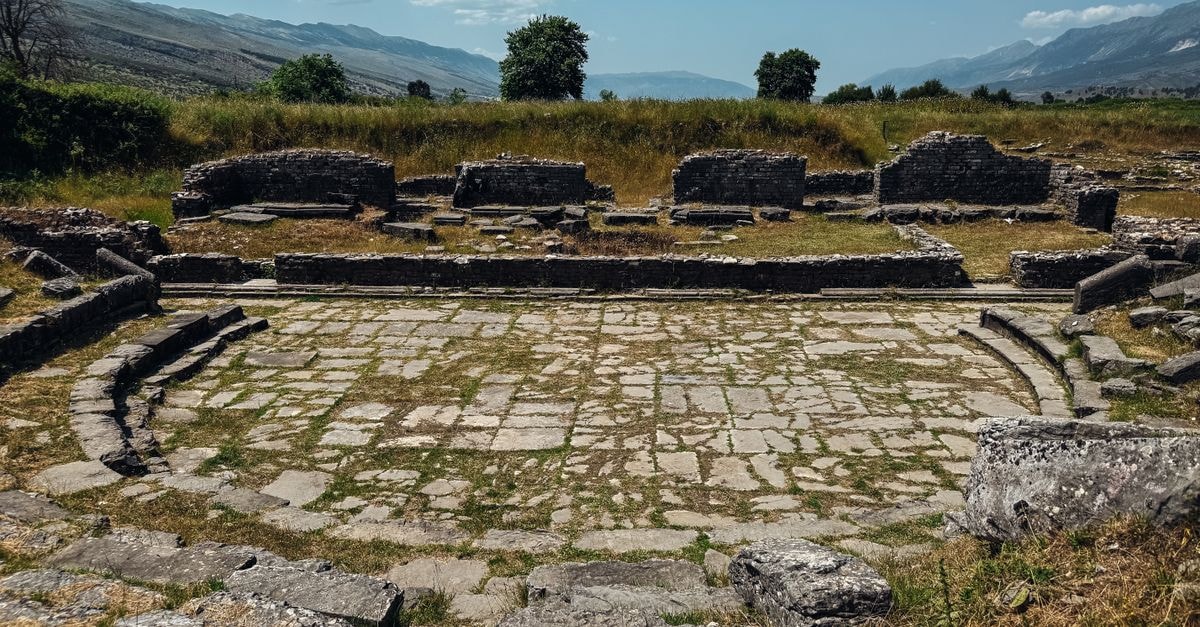
What that headline list usually points visitors toward are the kind of staples any first-timer to Annaba ends up seeing: the seaside setting itself, the stretches of corniche where locals come out in the early morning and again late in the day, the older architectural layers near the port, and viewpoints that take in the sweep of the Mediterranean. The wider region is also known for natural sites, but those involve driving out of town and benefit from confirmed directions locally rather than assumptions baked into a generic itinerary.
A useful frame is to plan one full day for the city and waterfront on foot, then a lighter half-day for anything outside the center that requires transport. That pacing also keeps the trip flexible enough to leave room for repeat visits to the seaside, which is often what travelers remember most when they head home.
Food and local context
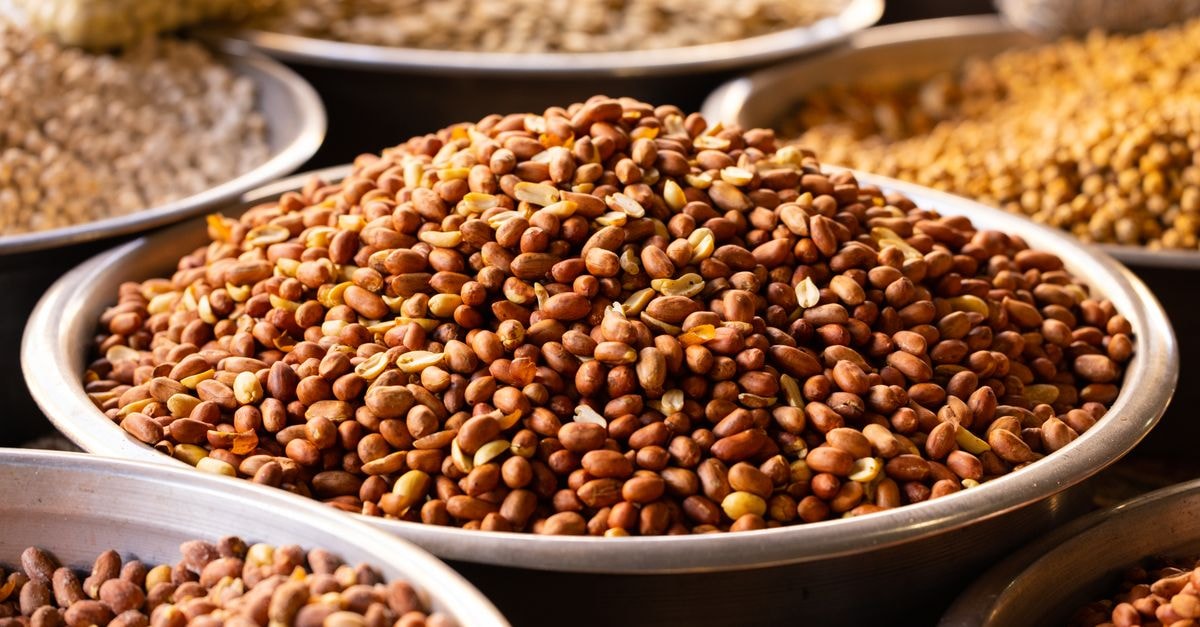
Algeria's food culture, which visitors will encounter in various forms during a stay in Annaba, is anchored in a few recognizable patterns. Country-level reference material on Algerian cuisine presents dishes in a "Dish Type / Description / Must-Try?" format, the kind of structured summary that helps newcomers get oriented before they sit down at a restaurant. This is Algeria-wide context rather than anything specific to Annaba's tables, and it's worth keeping in mind that the flavors on offer in port cities across the country draw on similar foundations.
Across Algeria, meals tend to be slow, family-style, and built around bread, olive oil, and a rotation of stews, grilled meats, and seafood when it is fresh and local. Soups and hearty one-pot dishes show up at lunch, while lighter plates of grilled fish, salads, and tea carry the evening. Sweet pastries and mint tea usually close a meal or arrive unannounced at a guesthouse. None of this is unique to one city, and it is more a way of understanding what you are likely to be served than a checklist of specific restaurants.
A practical note for anyone traveling in the country: menus are often read out rather than handed over, so a few Arabic or French phrases for common items can quietly improve the experience. Prices for a sit-down meal at a local restaurant are modest by European standards but not negligible, and tipping in small bills is the norm. Currency matters here only to the extent that you carry enough local cash for smaller spots, since card acceptance can vary widely and should not be assumed.
What to keep in mind
A few simple guardrails help with any Annaba trip. First, always confirm ferry and long-distance transport in advance because published schedules can shift without much notice, and the Marseille link specifically should not be relied on as currently running. Second, treat any list of "top attractions" as a starting point rather than a verdict on what to skip, and let the city reveal itself on foot before you commit your itinerary. Third, keep expectations open about food, since the Algerian food culture you encounter will be familiar in pattern but local in flavor.
Final practical note
Travel conditions, ferry schedules, train timetables, and opening hours of local sites can change at short notice. Always verify the latest information through official operators and local sources before you travel.
--- *This writer-editor guide is intended for inspiration and planning support. It uses only the evidence linked in its research notes and does not draw on personal visits to Annaba.*
Prices, opening hours, schedules, reservation rules, and local conditions can change; verify them through official channels before departure.
Share this article
TOOLS FOR THIS PLAN
Make the Annaba plan measurable
Choose a tool only when it answers the next question in your trip. Your values stay in the browser, and each tool offers a route back to this planning context.