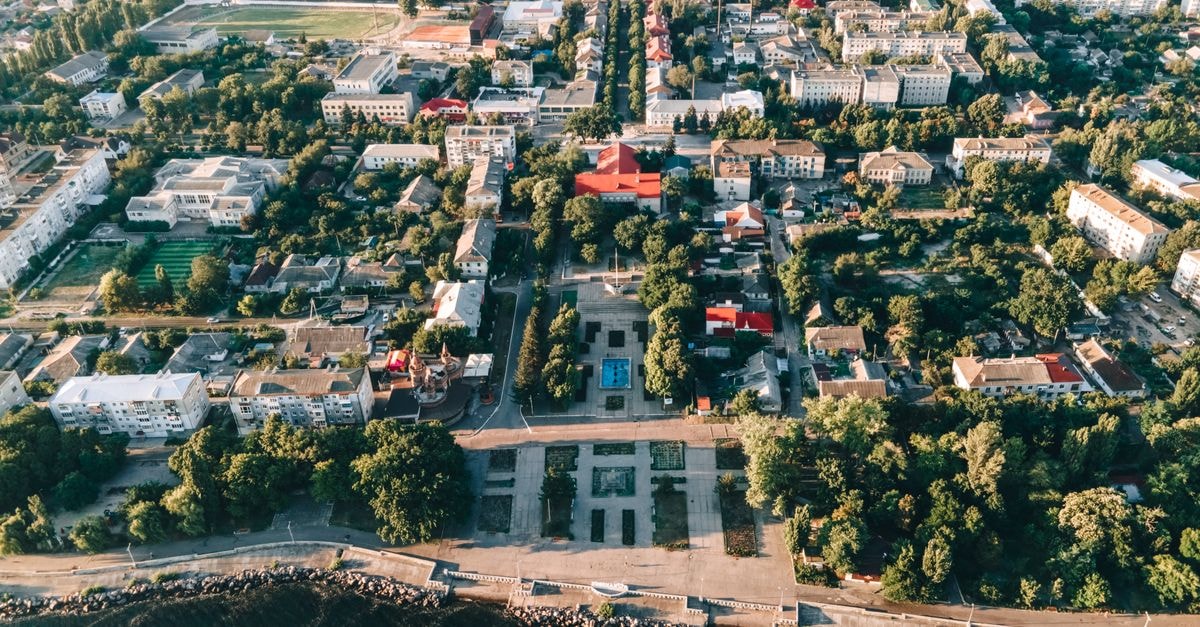
A harbour city shaped by the sea

Sevastopol sits on a series of inlets along the Black Sea coast, a geography that has defined its identity for centuries. The sea is not just a backdrop here; it is the reason for the city, with bays and harbours folded into the urban fabric. Walking through the centre, it often feels like the water is never more than a few streets away, and the rhythm of the place tends to follow the working harbour rather than a busy downtown core.
For travelers, that maritime character sets the tone of a visit. The city rewards people who are happy to move slowly, watch the boats, and let the bays dictate their route. It is less about ticking off a checklist and more about absorbing a port city that has always looked outward, across the water.
Weather and seasonal context
Sevastopol's climate is sampled from historical reanalysis, which means the weather picture comes from long-term ECMWF ERA5 records rather than a live forecast. That kind of data is useful for understanding what the city typically feels like across the year, without pinning any specific day to a single temperature or condition. Travelers should treat any impression of Sevastopol's weather as a general sense of the place, and check a current forecast closer to travel.
Because the city sits on the Black Sea, conditions can shift between warm, dry spells and cooler, breezier interludes. Layers tend to be more practical than packing for one fixed temperature, and waterfront paths are often more comfortable in the softer hours of the day. A simple rhythm of morning and late-afternoon outings, with a slower middle stretch, usually suits the climate better than racing through a packed schedule.
Getting around
Sevastopol is a city where route planning matters. The geography of bays, peninsulas and longer streets means that two places that look close on a map can involve a longer walk or a detour. Taking time to sketch a basic plan before setting out makes moving between districts feel calmer and helps avoid backtracking along the waterfront.
Local transport options support this kind of layered planning. Within the city, public transport and taxis are the usual ways to cover longer distances, and they are most useful when they are folded into a route rather than relied on for every short hop. Sevastopol's bays are enjoyable on foot, but for stretches that feel impractical to walk, mixing modes tends to work well.
Car rental is also available in the wider region. Rental options are offered by Russian companies based at Simferopol Airport and in Sevastopol itself, which is helpful for travelers who want flexibility beyond the city. Given the local geography and potential restrictions around access and movement, planning routes carefully remains the simplest way to keep a day on the rails. Combining a rental day with walking days, or simply using public transport and taxis, usually covers most needs without overcomplicating the trip.
Attractions and planning
Sevastopol's story is told largely through its military and maritime heritage, and that gives the city's cultural sites a particular weight. The Museum of History of the Black Sea Fleet is a landmark of that story. It is described as a military history museum in the city, and it is a place many visitors orient themselves around when they want to understand how the harbour and the fleet grew up together. It works well as an early stop, because it gives context for many of the bayside landmarks visitors encounter later.
Beyond the museum, coastal fortifications are part of the city's landscape. Бронебашенная береговая батарея №35 is presented as a place to uncover a vital piece of the region's heritage, and sites like this tend to appeal to travelers who enjoy layered, slightly off-the-main-path places rather than polished tourist centres. The journey there is part of the experience, and it pairs naturally with the slower, route-led style of exploring Sevastopol.
Because heritage sites can involve uneven ground, longer walks between bays, and variable access, it helps to build in flexibility. Treating these attractions as anchors around a loose plan, rather than as items to race between, suits both the geography of the city and the contemplative mood a port city tends to encourage.
Food and local context
Sevastopol's food scene reflects the wider influences that visitors may encounter across Ukraine. Russian and Ukrainian culinary traditions are dominant in the city, visible in classic dishes like borscht and pelmeni that appear on menus around the country. Travelers who already enjoy these staples will find familiar touchstones, while those new to them get a gentle introduction through everyday local cooking rather than anything staged for visitors.
The Black Sea is also a defining ingredient in how the city eats. Fresh seafood from the Black Sea forms a continuous part of the local diet, which means menus often lean on what the boats have brought in rather than on imported variety. That gives dining here a sense of place: fish, shellfish and simple preparations are easy to find, and they tend to reflect whatever the waters have offered recently. Travelers who like to eat close to the source of a region's ingredients usually find this aspect of Sevastopol especially satisfying.
Because restaurant details change frequently and the available factual material does not pin down specific establishments, hours, or prices, it is worth treating any dining plan as a starting point rather than a fixed list. Walking past a few options near the harbour, checking what looks freshly prepared, and asking locally often leads to a better meal than relying on a preset itinerary.
A final note on planning
Sevastopol suits travelers who like a city with a clear sense of place and who are comfortable letting the bays and the weather shape their day. A useful approach is to anchor the visit around a couple of heritage sites, leave generous space for the waterfront, and let the food scene unfold naturally through the Black Sea and wider Ukrainian influences rather than through a fixed checklist.
Factual travel conditions can change, and official channels should be checked before departure for the latest information on access, transport, and local guidance. Weather, opening arrangements and on-the-ground details are best confirmed closer to travel, even when the overall picture of the city is a durable one.
Share this article
TOOLS FOR THIS PLAN
Make the Sevastopol plan measurable
Choose a tool only when it answers the next question in your trip. Your values stay in the browser, and each tool offers a route back to this planning context.