A grounded welcome to Shahriar

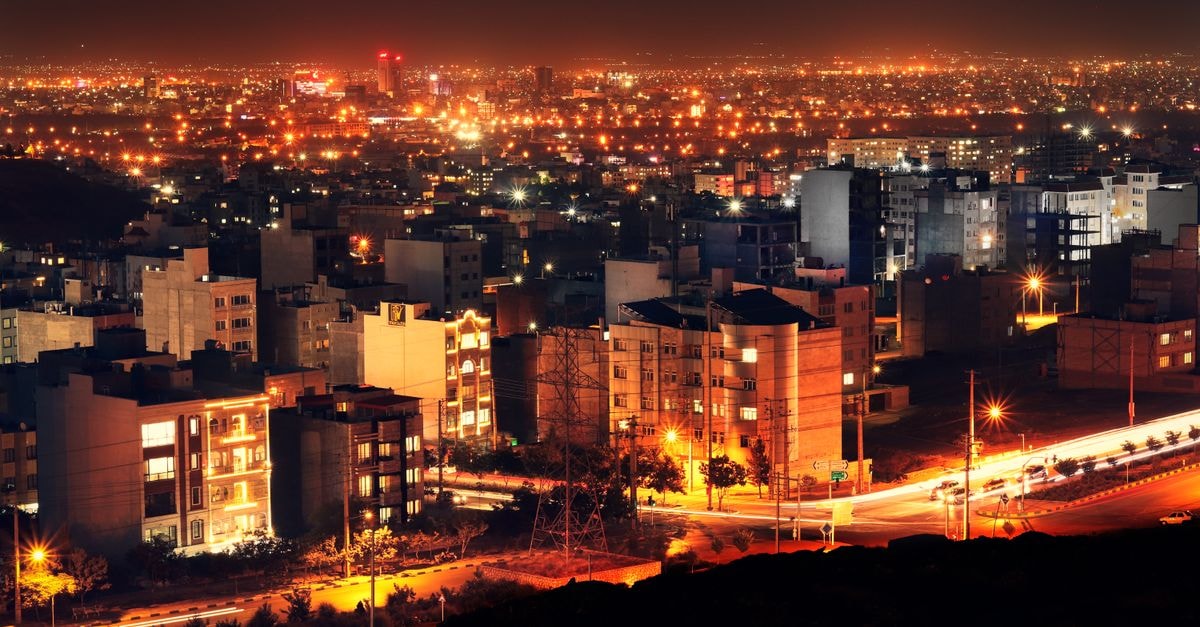
Shahriar sits in the wider Tehran province, close enough to the capital that it often functions as a quieter neighbour rather than a standalone destination. If you are the kind of traveller who likes to move slowly, observe everyday life, and stitch a city together through small practical decisions rather than a packed checklist, Shahriar can suit that pace. The honest truth about visiting Shahriar is that the city itself reads more as a local hub than as a polished sightseeing stop, and that is part of the charm if you arrive with realistic expectations.
This guide leans into what is actually verifiable: how to get in and move around, what the general atmosphere and economy feel like, and how Iranian food culture shows up in everyday settings. It is deliberately quiet on places we cannot verify from the approved evidence, so you can use it as a planning scaffold rather than a glossy brochure.
Weather and seasonal context
Shahriar has a marketing nickname that hints at its climate character: it is sometimes called a place "where the sun shines brighter." That wording matters less as a literal forecast and more as a mood cue. Bright, sunny conditions are part of how the city presents itself to visitors, and they tend to shape the rhythm of a day. If you prefer outdoor wandering and dislike grey, drizzly weather, this kind of reputation may suit you, though you should still check a live forecast close to your trip, since any specific temperature or rainfall number will change week to week.
On the economic side, Shahriar is described in travel data as having a "moderate shopping and economic situation," which is useful framing for a slow traveller. It suggests that you will find everyday commerce and local services without the inflated prices of a heavy tourist zone, but also without the deep bargains of a remote town. If you are trying to keep a relaxed trip affordable without deliberately chasing the cheapest possible option, a moderate economy of this kind can be a comfortable fit.
Getting around
Because Shahriar is so close to Tehran, your arrival story is really a short transfer story. The approved evidence points to two practical steps. For long-distance arrival, the usual approach is to use the main intercity bus terminals serving Tehran, with particular mention of terminals that serve west Tehran and the Karaj direction. From there, the trip into Shahriar is short and is normally completed by transferring to local buses or taxis rather than arranging a complex onward connection.
This pattern shapes what kind of traveller enjoys Shahriar most. If you are comfortable mixing bus terminals with a quick taxi hop, and you do not mind the small logistical friction of changing modes once, the route is straightforward. If you would rather step off a long bus and be dropped at a hotel door without thinking about it, you may want to reconsider whether Shahriar is the right base, since the last leg always asks a little of you. Consider asking your accommodation in advance about the simplest local option from the relevant terminal, so the transfer feels routine rather than improvised.
For day-to-day movement once you are in Shahriar, the city sits within the orbit of standard Tehran-province transport. Local buses and shared taxis are the everyday tools, and route planners such as Rome2Rio, which aggregates itineraries from travellers' reported journeys, can help you sketch out how a typical A-to-B move is done. The phrasing of that source is worth taking seriously: its itineraries are built from a decade of travellers describing their favourite ways to get from one point to another. That means the suggested routes are realistic patterns rather than guaranteed timetables. If you prefer to rely on timetables and fixed schedules, you may want to reconfirm any specific bus or taxi arrangement locally before relying on it for a time-sensitive move.
Food and local context
No city-level ledger entries in this guide confirm specific Shahriar restaurants, signature dishes, or food markets, so it would be dishonest to name places that are not in the evidence. What is supported is wider Iranian food culture, which visitors will encounter as a natural part of being in the country. The approved source describes Iranian food through a structured lens of dish types and descriptions rather than as a ranked must-eat list, which is the more honest way to frame it for a city like Shahriar where we cannot point to a verified signature venue.
In practice, this means your meals in Shahriar are likely to echo the patterns you would find across Iran: rice dishes, kebabs, breads, herbs, and stews served in settings that may be as simple as a neighbourhood eatery or as familiar as a family-style restaurant. If you are a curious traveller who enjoys figuring out a place through its everyday food rather than chasing famous restaurants, this kind of context may suit you. If your travel style depends on a verified list of named establishments and signature dishes, the lack of city-specific confirmation is a reason to adjust expectations or to check locally before pinning plans on a particular venue.
A practical note: menus and opening hours in smaller Iranian cities shift often, so treat any dish you hear about as worth sampling rather than as a guaranteed daily offering, and verify on the day.
Choosing what fits the trip
Shahriar is a short-hop neighbour of Tehran, not a self-contained sightseeing capital, and that single fact quietly decides a lot. If you enjoy layering a quieter local base on top of a larger capital visit, and you are comfortable with a moderate, not rock-bottom, cost frame, Shahriar can work well as a calmer counterpoint. If your priority is dense, walkable sightseeing without any transfer friction, or if you need fully pre-planned, timetable-driven transport for every move, you may want to reconsider and base yourself closer to central Tehran instead. The travel style that fits best here is patient, flexible, and happy to let the wider Iranian context do the talking through small daily choices.
A note before you go
Transport options, prices, and local opening times in the Tehran region can shift with little notice, and the approved evidence here is a starting point rather than a live status update. Before you travel, check current bus terminal information, confirm local taxi arrangements, and look up the day's weather. Treat this guide as a calm, evergreen scaffold, and let fresh local confirmation fill in the details that change over time.
Prices, opening hours, schedules, reservation rules, and local conditions can change; verify them through official channels before departure.
Share this article
TOOLS FOR THIS PLAN
Make the Shahriar plan measurable
Choose a tool only when it answers the next question in your trip. Your values stay in the browser, and each tool offers a route back to this planning context.