A first look at Chiniot

Chiniot sits in central Punjab as a historic city and the administrative center of Chiniot District, and it carries the quiet rhythm of a place that has long balanced craft, trade and small-town Pakistani life. For travellers who like destinations where the texture of everyday streets still feels central to the experience, Chiniot offers a slower cadence than Punjab's larger hubs, with workshop neighborhoods, traditional markets and a scattering of community green spaces. This guide leans on the city's documentary footprint: what is reliably known about its seasonal feel, how to get around, and the surrounding Pakistani food context visitors are likely to encounter while spending time here. It deliberately avoids promising specifics the source record does not support, from exact menus to precise timetables.
Weather and seasonal context
Chiniot's climate shapes how a day on the ground actually feels. Approved travel writing on the area describes periods when temperatures stay comfortable enough that you can walk around the markets and workshop areas without feeling overwhelmed by heat, which makes on-foot exploration far more rewarding during those windows. The same source recommends months such as November and February as particularly pleasant, with fewer crowds and enough comfort to spend hours exploring without heat exhaustion becoming a concern. Treat that as gentle, non-absolute guidance rather than a guarantee: any traveller sensitive to heat may still want to plan shorter outdoor blocks, favour early morning or late afternoon hours, and build in rest stops.
Two practical habits recur in the city's tourism notes. Bargaining is customary in markets and smaller shops, so visitors browsing Chiniot's bazaars should expect to negotiate politely rather than accept the first asking price. Staying hydrated also matters, especially during warmer months, when drinking plenty of bottled water is the standard local advice. There is no single fixed season that suits every traveller; instead, think of the year in terms of comfort windows for walking, with hydration and pacing as the constant adjustments.
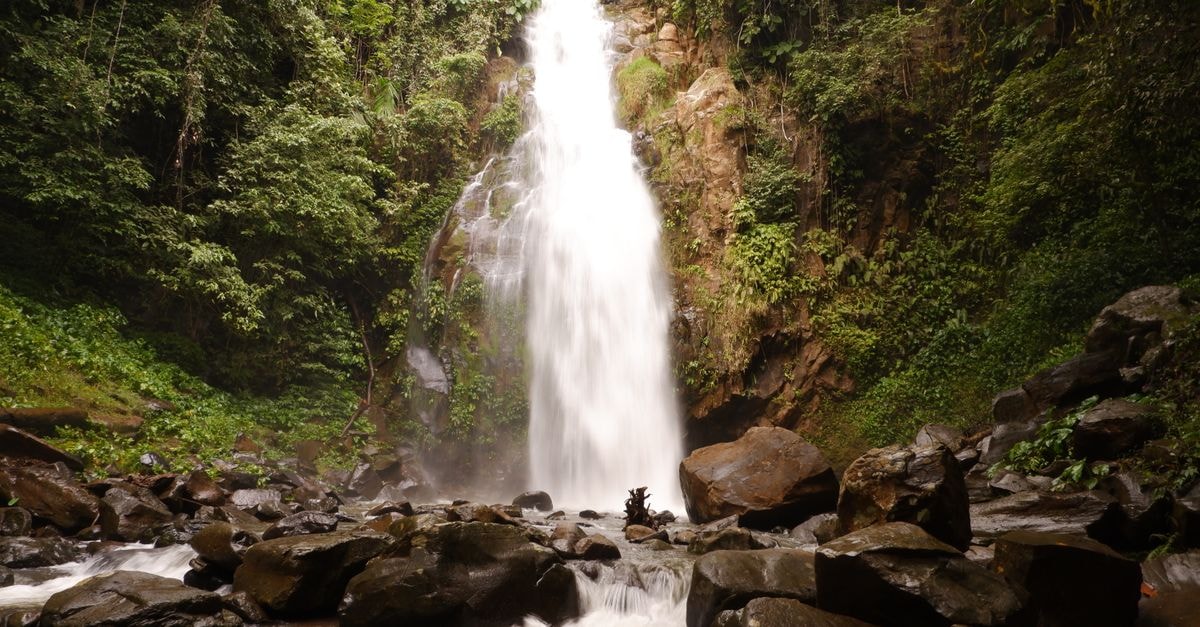
A separate thread in the approved evidence concerns Chiniot's first urban forest, one of the city's few green spaces. Weekdays generally offer a quieter experience, while weekends have a different energy: local families come out in numbers, children run around and the canopy fills with picnickers. Travellers who value quiet reflection in green surroundings may prefer a weekday visit; those who enjoy observing community life at full pulse may appreciate the weekend buzz. Either way, this is a place where the same location reads very differently depending on the day of the week, so it is worth aligning your timing with the mood you want.
Getting around
For travellers planning how to spend their time, the practical takeaway is that most of what you will want to see sits within short riding distance of each other, and the rest of the city is reachable without complicated logistics. Visitors arriving from Lahore or other Punjab cities will find the road connection straightforward, though journey times and conditions should be checked closer to departure through official transport channels.
Food and local context
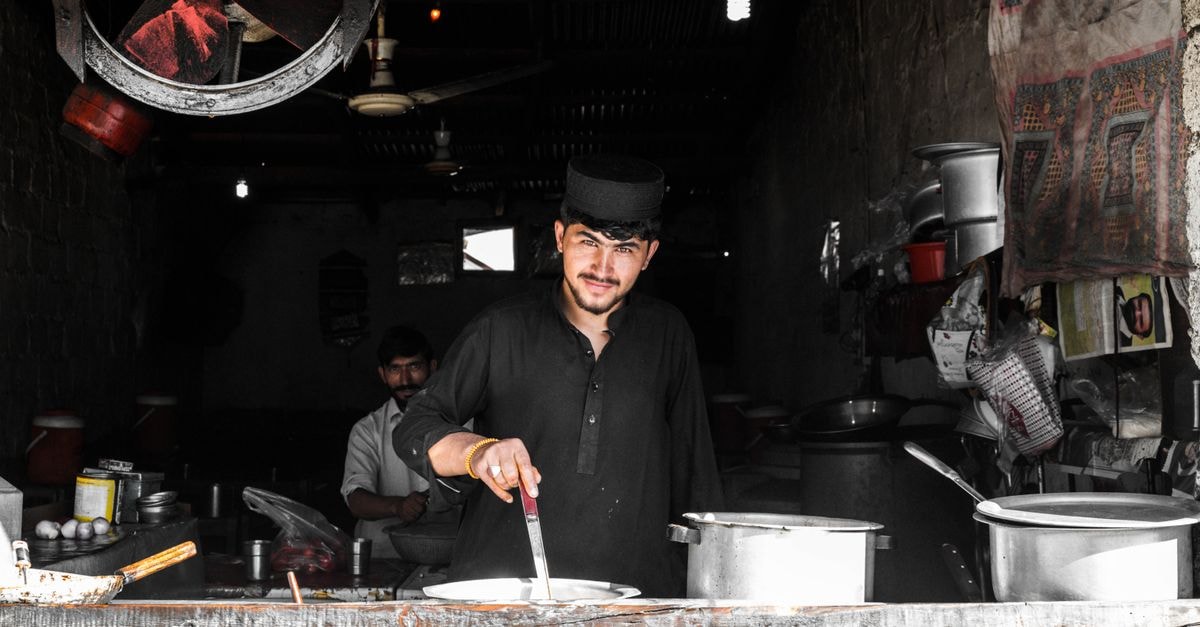
Chiniot does not come with a documented signature dish in the approved record, so the honest approach is to frame eating here through the surrounding Pakistani food culture visitors are likely to encounter. Pakistani cuisine is described in country-level sources as a rich tapestry of traditional dishes, with recipes and culinary heritage stretching across regions. One recurring example is chicken karahi, a beloved dish that embodies the vibrant flavours of Pakistani cooking, typically served in a thick, tomato-based gravy cooked in a wok-like karahi pan. Visitors in Chiniot can expect to find versions of familiar staples rather than a single city specialty, and should treat restaurant recommendations, specific menu items and price points as things to verify locally rather than as established facts.
That wider national context matters because mealtimes in smaller Pakistani cities are often shaped by what is cooked at home and in small dhabas as much as by any formal restaurant scene. Travellers who enjoy exploring through food may want to ask locally about the day's fresh offerings, sit where families are eating, and keep an open mind about portion sizes, spice levels and the rhythm of service. Where you eat, how long you linger, and what is on the table will vary from one establishment to the next, which is part of the texture of travelling here.
Choosing what fits your trip
Because Chiniot rewards a slow, on-foot style of exploring, travellers who enjoy walking through markets and workshop lanes, watching craft in progress and pausing in green spaces will find a lot to like, especially if they can plan around the cooler, less crowded windows the approved travel notes highlight. Bargaining and bottled water are everyday parts of the experience, so packing a reusable bottle and a relaxed attitude toward negotiation helps. Visitors who prefer large-scale nightlife, big-museum circuits or a dense restaurant map may find the city quieter than expected; in that case, layering Chiniot into a broader Punjab itinerary, with a longer ride to Lahore for additional variety, tends to suit the pace better than expecting a single city to cover every interest.
Before you go
Factual travel conditions, including prices, transport availability and seasonal comfort, can change. Confirm current details through official tourism and transport channels before departure, and treat the ranges above as a starting reference rather than a fixed quote. Currency conversions should also be checked against the live rate at the time of travel.
Prices, opening hours, schedules, reservation rules, and local conditions can change; verify them through official channels before departure.
Share this article
TOOLS FOR THIS PLAN
Make the Chiniot plan measurable
Choose a tool only when it answers the next question in your trip. Your values stay in the browser, and each tool offers a route back to this planning context.