First impressions of Sham Shui Po
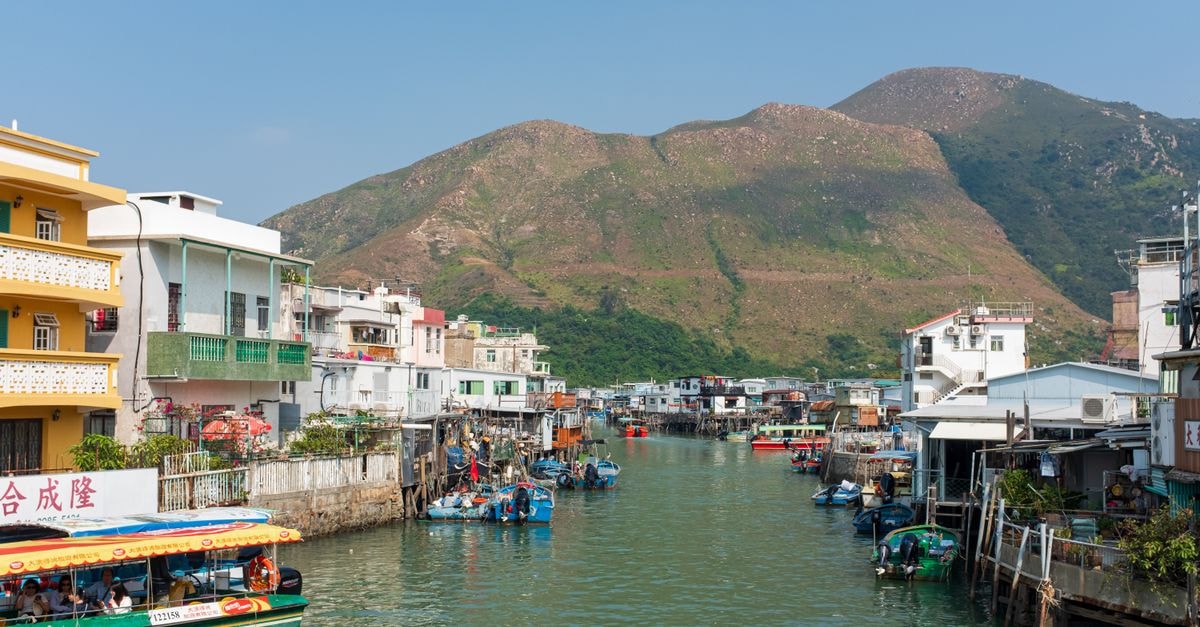
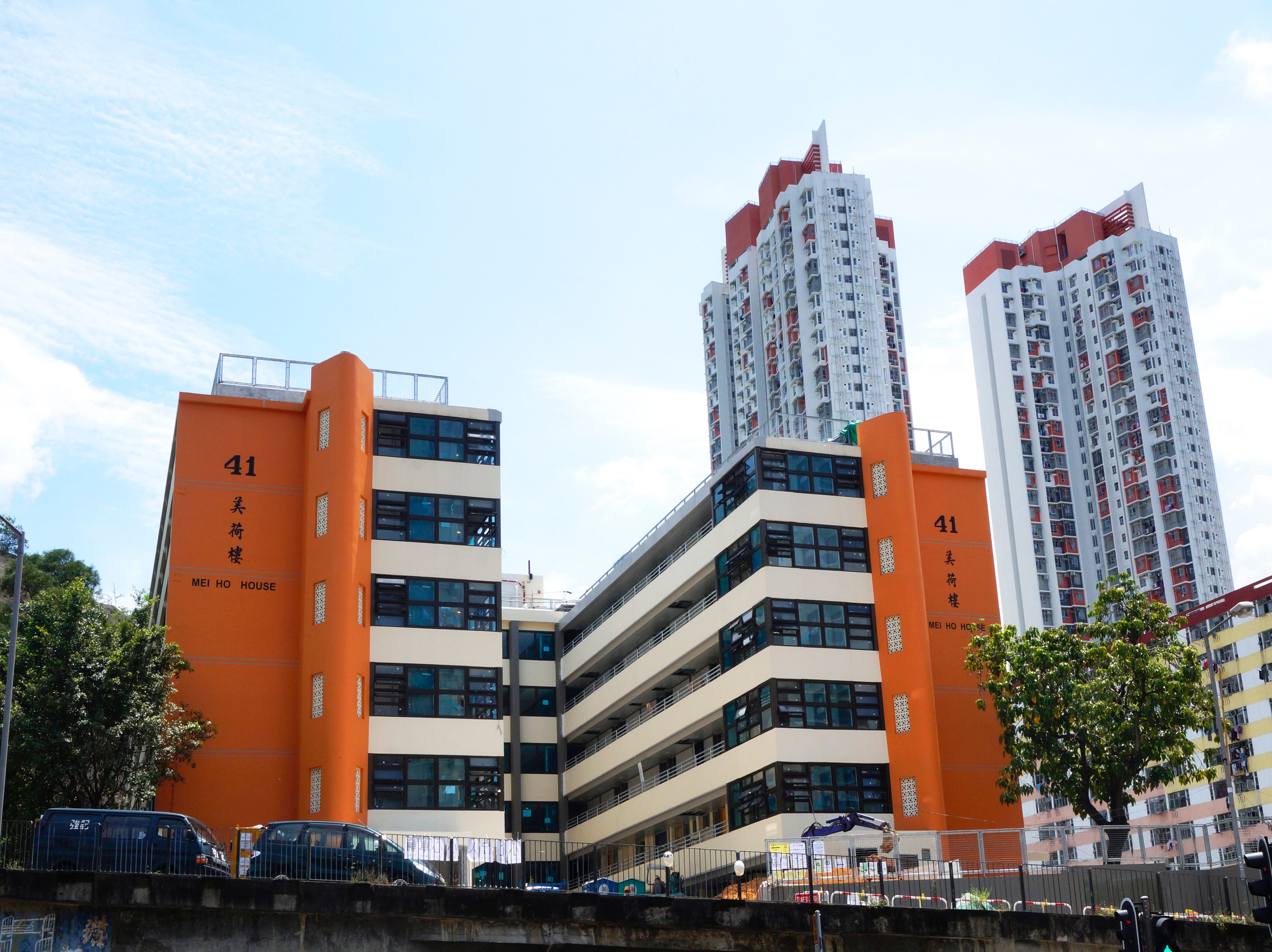
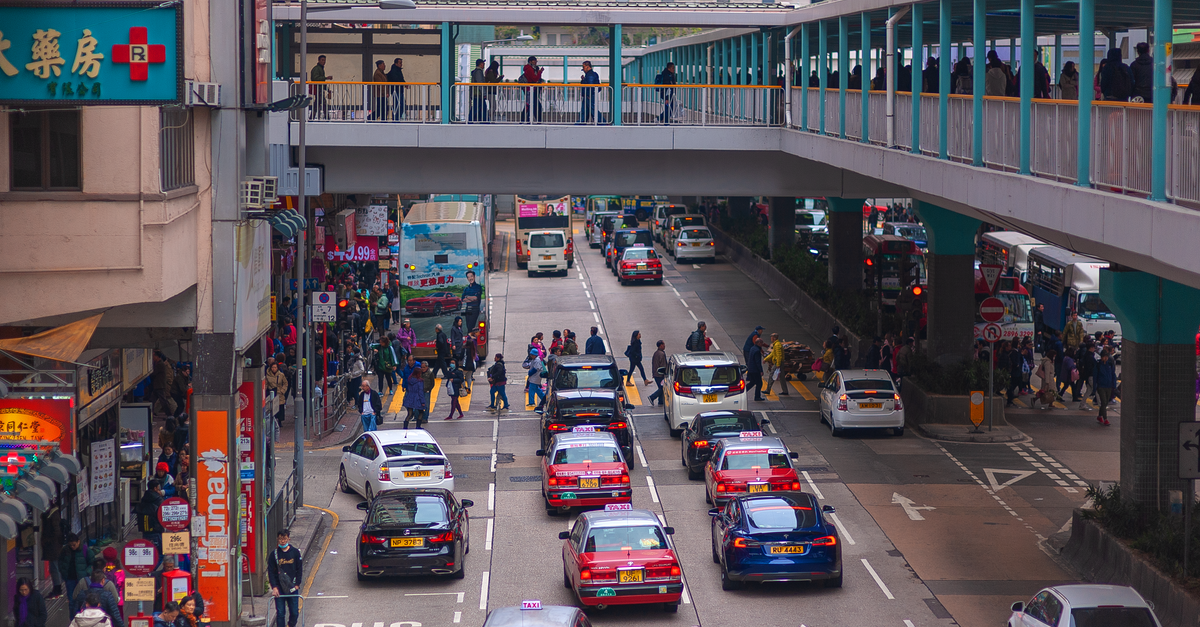
Sham Shui Po has a way of slowing you down, in the best possible sense. The district reads like a working-class Hong Kong neighborhood that quietly refuses to dress up for visitors, and that unpolished charm is exactly what draws people in. You will find markets humming alongside old tenement blocks, art spaces tucked into side streets, and a steady rhythm of everyday Cantonese life playing out on the corners. It feels less like a postcard stop and more like a place where you can lean against a bollard, watch a tram glide past, and let the city settle around you.
This is a district for travelers who prefer texture over gloss. If your idea of a good afternoon involves wandering, peeking into small shops, and being pulled off course by the smell of something good, Sham Shui Po rewards that instinct generously.
Attractions and planning
Sham Shui Po rewards travelers who think of a visit less as a checklist and more as a slow drift between textures. The district carries a surprisingly deep cultural layer for such a compact area, and you do not need a strict plan to feel it. According to the approved source on local attractions, there is even heritage and art for the cultural sponges in this corner of Hong Kong, and the source notes that Sham Shui Po is small enough to wander on foot without feeling rushed.
Because the area is so dense, a good approach is to pick one or two anchors and let the streets in between do the rest. You might start near a market lane and let the signage pull you sideways into a temple, an old shopfront, or a small gallery that you would never have found on a map. The compact scale means you can change direction easily, and you will not feel the pressure of skipping something major if you pause to sit on a step and watch the district breathe.
If you are someone who enjoys cultural stops but does not want a museum-heavy day, this kind of unstructured wandering may suit you very well. The neighborhood mixes everyday life with art and heritage in a way that does not feel curated, which can be a relief for travelers who find formal sightseeing exhausting.
Food and local context
Food is where Sham Shui Po really opens up, and the approved source on local dining describes the district as offering an enormous variety of authentic Hong Kong style dining choices, ranging from the simple to the exotic and from the budget to the luxury. That range is part of the appeal: you do not have to commit to a single kind of meal here, and the neighborhood makes it easy to graze your way through an afternoon.
A natural anchor for any visit is Tim Ho Wan at 9-11 Fuk Wing Street, the original Sham Shui Po location. The approved food guide identifies it as a Michelin Bib Gourmand in 2025 and notes its reputation as the world's most affordable Michelin-starred restaurant family, with standards that have been maintained at this original spot. For travelers who want a recognizable name without losing the local feel, this is a useful starting point, especially if you prefer to plan one guaranteed reservation and leave the rest of the day open to wandering.
Beyond that single anchor, the broader dining scene leans into classic Hong Kong flavors: noodle shops, dai pai dong stalls, sweet soup counters, and bakeries where the morning queue is part of the experience. You can move easily between a sit-down meal and a quick street-side bite, which suits travelers who like to eat often but lightly.
Wider China context that visitors may encounter while in Sham Shui Po is worth keeping in mind at the table. Chinese eating culture is famously enthusiastic, and a country-level source notes that Chinese people love to eat and that China boasts one of the world's greatest and most varied cuisines. A separate country-level source on customs and etiquette in Chinese dining describes the traditional behaviors observed while eating in Greater China, and another source on China's eating culture notes that China has a long history of ritual and etiquette, with eating as a highly important feature of the culture, so dining etiquette has developed to a high degree. None of this is unique to Sham Shui Po, but it shapes the rhythm of meals across the region, from how dishes are shared to how tea is poured for companions.
How to shape your day here
Sham Shui Po tends to reward travelers who leave room for spontaneity, and a few small choices can make that easier.
If you like to anchor a day around one definite meal, consider booking Tim Ho Wan in advance and treating the rest of the neighborhood as a slow walk between street snacks and short cultural stops. If you would rather skip reservations entirely, the density of casual spots means you can simply walk until something looks good, which suits travelers who find fixed dining times stressful. For visitors who enjoy heritage and art without committing to a full museum schedule, weaving one or two small cultural stops into a longer wandering loop often feels more natural than trying to see everything in one sweep.
The district is compact and walkable, so you can adjust your pace throughout the day without losing your sense of direction. Lean into that looseness and Sham Shui Po tends to give back more than you planned for.
A note on planning
Factual travel conditions can change, and it is always worth checking official or up-to-date local sources before you go, especially for restaurant hours, reservation availability, and any seasonal adjustments to opening times.
Verification before you go
Before your visit, it is worth confirming the current Tim Ho Wan reservation policy and opening hours directly with the Fuk Wing Street location, since the approved source identifies the spot but does not list daily operating details.
Prices, opening hours, schedules, reservation rules, and local conditions can change; verify them through official channels before departure.
Share this article
TOOLS FOR THIS PLAN
Make the Sham Shui Po plan measurable
Choose a tool only when it answers the next question in your trip. Your values stay in the browser, and each tool offers a route back to this planning context.