A First Glimpse of Hong Kong

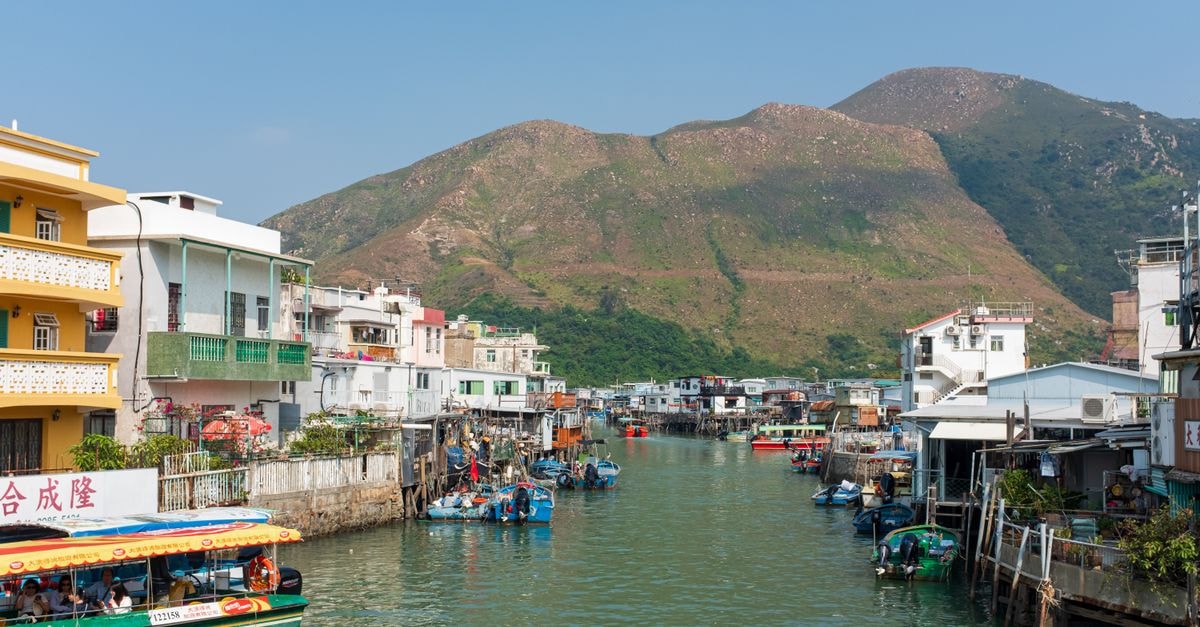
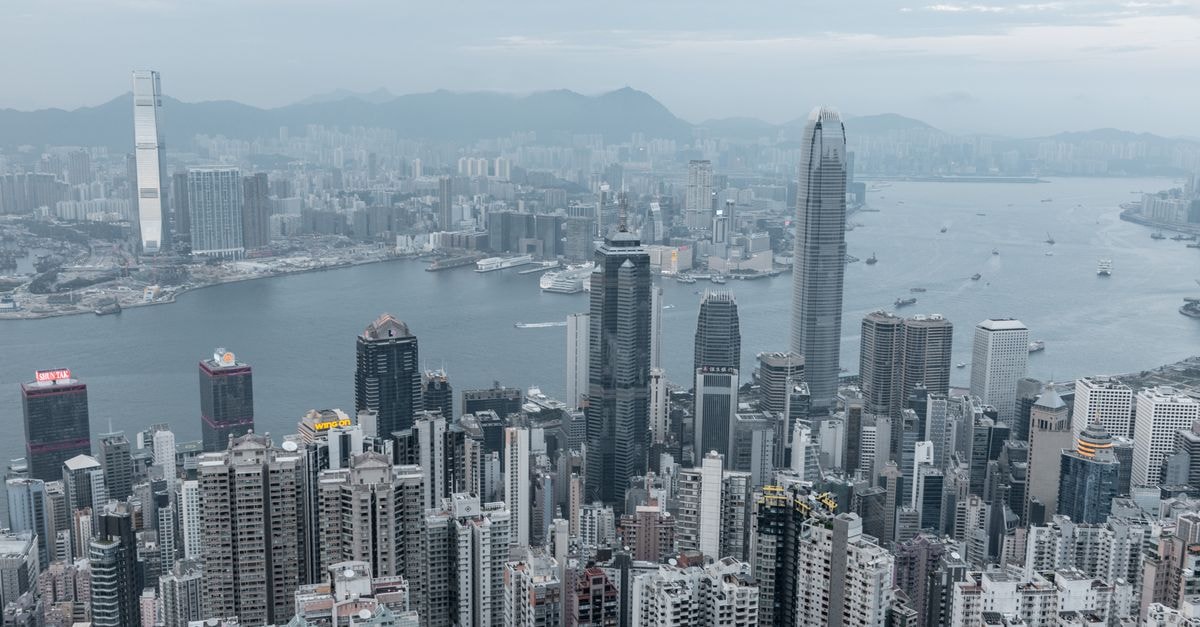
Hong Kong has a way of surprising people who arrive expecting only skyscrapers. Within a single neighbourhood you can move from a glass-towered waterfront to a steep, lantern-lit street where the air smells of roasting meat and warm oil. The city's identity sits in these contrasts: dense and calm, fast and unhurried, international and unmistakably Cantonese at its culinary root. This guide is built for travellers who like to understand a place before they move through it — focusing on the climate you will feel, the transport choices you will actually use, and the food culture that quietly shapes daily life here.
Weather and Seasonal Context
Hong Kong's climate is sub-tropical, tending towards temperate for nearly half the year, which gives the city a softer rhythm than its latitude might suggest. The practical implication for a visitor is that layering matters more than packing for any single condition. Mornings can start mild and bright, while afternoons often build warmth and humidity that settles over the harbour and the steep streets on both sides of it.
Because the climate shifts across the year, a comfortable pace tends to involve mixing indoor and outdoor time. Many travellers find it easier to walk neighbourhoods in the morning or early evening, and to step into air-conditioned malls, museums, or tea rooms during the hottest part of the day. Even when the sky is clear, the light can feel heavy, so carrying water and choosing breathable fabrics are small habits that make a noticeable difference.
Rain is also part of the city's character. Showers can arrive quickly, settle in for an afternoon, or pass within minutes, and the sky often shifts several times in a single day. A compact umbrella or a light shell is genuinely useful rather than optional. Rather than treating weather as a problem to plan around, it helps to think of it as a texture — something that gives Hong Kong its luminous harbour light and its green, mist-edged hillsides.
Getting Around
Hong Kong is one of those cities where transport shapes the experience as much as the sights themselves. A wide variety of public transport services operate to and from Hong Kong International Airport, which means your first decisions about how to move begin the moment you land. Rather than defaulting to a single option, it is worth knowing the character of each mode so you can match it to your plans.
If you are planning a fast-paced sightseeing day, you will still rely mainly on the MTR, which links the major urban areas quickly and predictably. It is the backbone of daily movement for residents and the most efficient way to cover long distances. Public buses also service all of Hong Kong, threading through neighbourhoods the rail network does not reach and offering a slower, more visual ride. Taxis fill in the gaps for shorter trips, while residents' coaches and other specialised services cater to particular travel patterns.
When you are in the mood to move at a more relaxed pace, trams are a charming way to travel between neighbourhoods on Hong Kong Island. The tram journey is less about speed and more about atmosphere — a rolling, open-sided ride past shopfronts, street markets and the harbour edge. For many visitors, choosing between the MTR's efficiency and the tram's unhurried character becomes part of how they shape a day.
A practical approach is to think in layers. Use the MTR to position yourself in a new district, switch to a tram or bus for the in-between movement, and walk the final stretch so a neighbourhood reveals itself at street level. This kind of layered travel also tends to slow you down in a way that suits Hong Kong's geography, where the terrain itself invites pauses for views, steep stairways and quiet side streets.
Food and Local Context
Hong Kong stands as one of the world's great culinary capitals, where centuries-old Cantonese traditions meet international influences in a symphony of flavours. That description from local cultural writing captures something important: food here is not a separate activity from sightseeing but a way of reading the city. Cantonese cooking, with its emphasis on freshness, technique and balance, forms the backbone of daily eating, and it is encountered everywhere from family-run noodle shops to grand dining rooms.
For a visitor, the most rewarding approach is usually to treat meals as a thread rather than a checklist. Mornings often begin with congee, toast or rice noodle rolls at a neighbourhood stall. Lunch can be a quick bowl of wonton noodle soup or a plate of roast meat over rice, eaten standing or at a small table where locals are doing the same. In the evening, the city softens around tea, dim sum and long conversations over shared dishes.
Because Cantonese cuisine is so woven into daily life, you do not need to seek it out in special destinations. It appears in market halls, in the ground floors of older residential buildings, and in the small restaurants tucked under flyovers. Wider Chinese food culture — the etiquette of shared tables, the rhythm of tea service, the habit of ordering several dishes to share — may shape the dining experience you encounter here, as it does across many parts of China. Recognising these patterns makes it easier to feel comfortable at any table.
A useful habit is to read menus visually rather than relying solely on translation. Many Cantonese dishes are listed by their characters and romanised names, and pointing to what looks appealing at a neighbouring table is a perfectly common way to order. Letting the kitchen guide you, rather than ordering from a fixed mental list, often leads to the most memorable meals.
A Few Final Notes for the Road
A satisfying visit to Hong Kong rarely comes from trying to cover everything. The city rewards a slower approach — choosing a few neighbourhoods, returning to the same tea house, taking the tram at different hours, and letting the climate and the cuisine set the rhythm of your days. Climate is sub-tropical and tends towards temperate for part of the year, so dressing in light layers and planning for sudden shifts will serve you well across many seasons.
Factual travel conditions can change. Transport routes, services, weather patterns and food culture evolve, and official channels should be checked before departure for the most current information. Rates and prices, where referenced in any guide, should also be treated as a general reference rather than a guarantee. With those small precautions, Hong Kong becomes a city that opens up gradually — one tram ride, one shared table, one harbour view at a time.
Verification Note
This evergreen guide is built on the approved factual ledger and avoids claims about live prices, schedules, closures or specific venues. Travellers should confirm transport details, weather forecasts and dining options through official sources before and during their visit.
Share this article
TOOLS FOR THIS PLAN
Make the Hong Kong plan measurable
Choose a tool only when it answers the next question in your trip. Your values stay in the browser, and each tool offers a route back to this planning context.