Setting the Scene

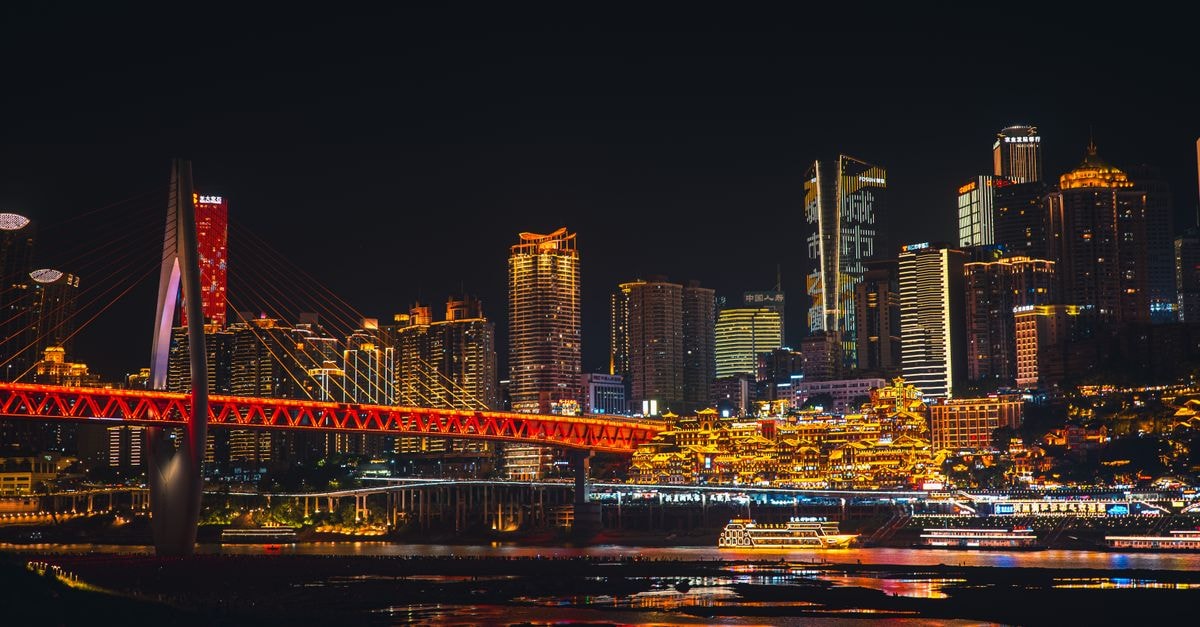
Shanghai sits on the Yangtze River Delta and carries the feel of a port city that has always looked outward. The skyline still glints with that restless energy, but behind the glass towers there is a slower city too: leafy lanes, old garden walls, and tea steam rising from neighbourhood kitchens. A Shanghai travel guide that works for most travellers usually leans into that contrast, letting you move between grand river views and intimate street-level moments in the same afternoon. This one keeps things evergreen and practical, leaning on the city itself rather than on any single season.
Weather and Seasonal Context
Shanghai has a humid subtropical climate with four distinct seasons, so the city's mood genuinely shifts across the year. Travellers tend to hear the most enthusiasm for autumn, which local travel writers often frame as the best season to visit, with spring close behind. That said, the same guidance reminds visitors that there is something to enjoy in any season, because the indoor culture, food scene, and architectural sightseeing carry the trip even when the weather is uncooperative.
If you are choosing when to go purely for comfort, autumn (September to November) is widely described as the top choice, and winter is usually framed as the cheapest time. Summer is widely flagged as the hardest season without a strategy, mostly because of humidity and heat rather than because the city closes down. Spring is the other favoured window. None of that has to dictate your trip if you are flexible, but it is useful background when you are weighing airfare, hotel rates, and how much outdoor walking you want to do.
For an evergreen Shanghai travel guide, the practical takeaway is to dress in light, breathable layers, carry a compact umbrella, and plan at least one slower midday break if the day feels heavy. You can usually trade heat for indoor museums, gardens with shaded corridors, or a long lunch, and save the Bund-style riverfront walks for the cooler hours.
Getting Around
Shanghai is renowned for its robust and diverse transportation network that serves millions of commuters every day, which is reassuring news for first-time visitors. That network is one of the reasons a Shanghai trip can feel relaxed even when you are covering a lot of ground.
In practice, that means you can build most of your plans around the metro for long hops, walking for neighbourhood exploration, and taxis or ride-hailing for the late-evening return when the trains have stopped. Because the system is dense and frequent, you rarely need to commit to a rigid timetable. A loose plan anchored on a few metro stations is usually enough, and you can adjust the order of your day as the weather, your energy, or a particularly good meal dictates.
Attractions and Planning
Top attractions and places to visit in Shanghai tend to be clustered in a handful of walkable districts, which makes planning easier than it first looks. The headline list typically includes the Bund, Yuyuan Garden, the shikumen lanes of Xintiandi, and the French Concession. The Bund gives you the classic river-and-skyline view, Yuyuan offers a calm counterpoint with its classical garden layout, and the shikumen blocks in Xintiandi and the French Concession let you slow down, peek into cafés, and feel the texture of the city's layered architecture.
Shanghai is a vibrant city situated on the Yangtze River Delta with a fascinating past as a gateway to China, and that history is visible in the streetscape. The European-style facades, the narrow stone-gated alleyways, and the wide riverside boulevard are all part of the same story. A good rhythm is to pick two anchors per day, one "big view" and one "small street," and let transit fill in the connective tissue between them.
For a more curated wander, the city's official recommended attractions list points to art-focused stops such as the Shanghai Museum of Arts and Crafts, the Blackstone Apartments, the Shanghai Film Museum, the Pathé building, and the Wanping Theater / ERA Time Travel. These sit a little off the obvious trail and reward visitors who like architecture, design, and performance history. They also pair nicely with a slow lunch, since they tend to be in or near older neighbourhoods.
When you are sketching an itinerary, think in themes rather than checklists. One day can be river and skyline. Another can be gardens and old town. A third can be art deco lanes and small museums. That kind of loose structure tends to age better than a rigid hour-by-hour plan, especially because opening details, ticketing rules, and reservations can change and are worth verifying directly with official channels before you go.
Food and Local Context
Shanghai's food scene is a highlight in its own right, and a few dishes anchor the conversation. Xiaolongbao are Shanghai's iconic soup dumplings and the city's most famous culinary export, the one dish visitors tend to seek out first. They are usually served in bamboo baskets, and the small ritual of piercing the skin, letting the soup cool, and dipping in vinegar and ginger is part of the experience rather than just the meal.
Seasonal dishes also matter. In Shanghai, yanduxian is more than just a seasonal dish, and it tends to appear on menus during the cooler parts of the year when salted pork, bamboo shoots, and fresh pork are combined in a clear, comforting broth. Beyond these signatures, the broader Shanghai table leans into river and sea produce, sweet-savoury flavour profiles, and breakfast staples like congee, scallion oil noodles, and pan-fried buns.
When planning a food-focused visit, the practical question is usually when Shanghai's seasonal specialties line up with your dates, and the answer depends on what you are most excited to try. If soup dumplings are your priority, you can find them year-round. If yanduxian is on your list, you may want to align your trip with the cooler months. Either way, eating well in Shanghai rarely requires a special reservation or a fixed plan; the city's habit of pairing old neighbourhoods with long-established kitchens does most of the work for you.
As wider context that visitors may encounter while in Shanghai, Chinese dining culture more broadly treats meals as social occasions, with shared dishes in the centre of the table, tea served throughout, and small plates arriving in waves rather than all at once. That rhythm is something you will notice whether you are in a tiny neighbourhood shop or a larger restaurant, and it is one of the easiest pleasures to lean into.
A Few Final Notes
The clearest takeaway from this Shanghai travel guide is that the city rewards a measured pace: a riverfront walk before dinner, a quiet garden in the middle of the day, and at least one meal that is built entirely around soup dumplings. Keep plans flexible, trust the metro, and leave room for the neighbourhoods you stumble into by accident.
Travel conditions can change, so it is always worth checking official channels for the latest transport updates, ticketing details, and any local notices before you depart.
Verification Note
This guide is written from a limited set of approved sources on Shanghai's climate, transport, attractions, and food. It deliberately avoids specific prices, opening hours, current closures, reservations, nearby day-trip recommendations, and any dated publication references, because those details were not directly supported by the approved evidence. Readers should confirm any checkable fact through official channels before acting on it.
Share this article
TOOLS FOR THIS PLAN
Make the Shanghai plan measurable
Choose a tool only when it answers the next question in your trip. Your values stay in the browser, and each tool offers a route back to this planning context.