A First Look at Shangrao

Tucked into the northeastern stretch of Jiangxi province, Shangrao has the kind of unhurried atmosphere that rewards travelers who arrive curious rather than rushed. It sits in a region where rivers widen into wetlands, hills roll toward the borders of Anhui and Zhejiang, and small towns still feel shaped by the rhythms of the countryside. For visitors used to China’s better-known megacities, Shangrao offers a gentler counterpoint: a place where nature, food culture, and slow travel feel closely intertwined.
This Shangrao travel guide is built for the independent traveler who wants a practical framework, not a checklist of every possible detour. The focus here is on what is verifiably supported about the city itself, with enough context to help you shape your own route through the area.
Weather and Seasonal Context
Weather shapes almost every decision in Shangrao, from how early you start the day to how you plan a long afternoon by the water. The city has a humid subtropical climate, and rainfall, sunshine, and temperature all vary across the year. Rather than chasing a single “perfect” month, it helps to think of Shangrao as a destination whose seasons each offer a different mood.
The available climate references describe average monthly temperatures, rainfall, and sunshine patterns, and they consistently suggest checking a monthly breakdown before setting dates. As a general rule for this part of Jiangxi, summers can feel warm and humid, while winters tend to be cooler and damper. Spring and autumn often bring softer temperatures and clearer skies, which can make walking, boat rides, and outdoor photography more comfortable.
Because conditions shift year to year, the most reliable approach is to consult a current climate overview closer to your trip and pack layers regardless of season. A light rain jacket, breathable fabrics for warmer stretches, and a slightly warmer layer for evenings tend to serve visitors well across most months. If you are planning time around the lake or in the countryside, mornings typically feel calmer and more comfortable than the middle of the day.
Getting Around
Shangrao is easier to navigate when you anchor yourself around a few key hubs. Major transport connections tend to cluster near Shangrao Railway Station and the central commercial areas of the city. Choosing accommodation within reach of these nodes makes it simpler to arrive, to store bags, and to set out each morning without long taxi rides.
Rail is one of the most practical ways to reach the city. Tickets are issued through the official China Railway 12306 service and at station counters, and travelers should have a valid ID or passport ready for boarding checks. Booking in advance is generally a good idea, especially around holidays, because trains on popular routes can fill quickly. A few reliable habits tend to save time and reduce friction: confirm the departure station name carefully, arrive early enough for security and ID verification, and keep a digital copy of your ticket information accessible.
Once you are in the city, taxis, ride-hailing apps, and local buses connect the central areas to most major sights. For longer excursions into the surrounding countryside, transport options may be more limited, and travelers sometimes arrange a driver for the day. Whatever you choose, it helps to have offline maps and a translation app ready, as English signage outside the main transport hubs can be sparse.
Attractions and Planning
Shangrao’s appeal lies less in headline landmarks and more in its landscapes. Two experiences tend to define a visit: time spent on the water, and time spent among the surrounding countryside.
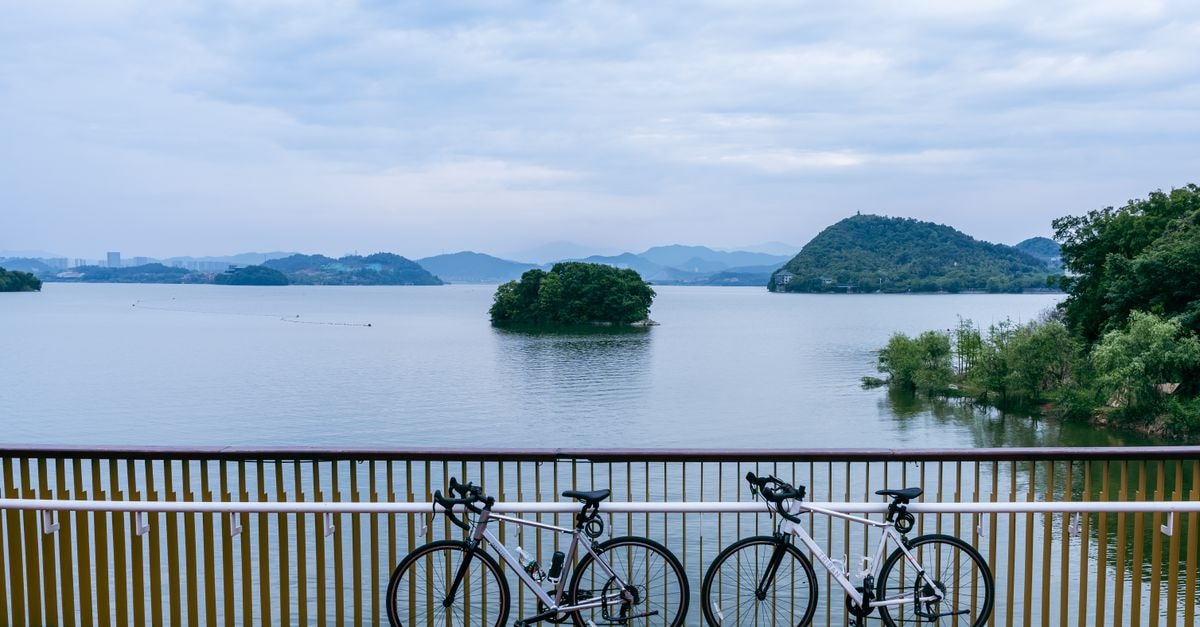
Poyang Lake National Wetland Park offers a serene boat cruise on Poyang Lake, China’s largest freshwater lake, where visitors can take in diverse water landscapes and look for wildlife along the reed beds and shallows. The pace here is slow by design; a boat outing gives you a different perspective than any walking route, and the open water often feels surprisingly calm even when the city is busy. Bring a camera with a decent zoom, and allow time to simply sit and watch the light shift across the lake.
The Wuyuan Scenic Area is widely described as “China’s Most Beautiful Countryside,” and it sits at the intersection of Anhui, Jiangxi, and Zhejiang provinces. Wuyuan is known for its old villages, terraced fields, and seasonal blooms that draw photographers and slow travelers. Even if you only spend part of a day here, the contrast between narrow lanes, wooden houses, and the surrounding hills offers a strong sense of place.
Because attractions in this region often involve driving time and outdoor exposure, plan a loose structure rather than a rigid schedule. Leave room for weather changes, slower-than-expected transport, and the simple pleasure of lingering in a village square or along a lakeside path. Within the city itself, pairing a morning boat ride with an afternoon wander through local neighborhoods tends to create a satisfying rhythm without overloading the day.
Food and Local Context
Shangrao’s food scene rewards curiosity. Restaurants in the city range from long-standing local kitchens to more polished boutique venues, and the surrounding region offers its own set of specialties tied to rivers, rice, and mountain produce. Independent travelers who treat meals as part of the sightseeing, rather than a break from it, tend to get the most out of a visit.
In the Wangxian Valley area, for example, local food guides point to a handful of must-try snacks and dishes that reflect the valley’s rural setting. These tend to be simple, seasonal, and rooted in what grows nearby. Visitors who explore beyond the main tourist streets often find small stalls and family-run spots where the cooking feels especially direct.
Across China more broadly, dining culture tends to emphasize shared dishes, regional flavors, and long, social meals. In Shangrao, this plays out in a more relaxed setting: lunch is often the main meal, while evenings can be quieter and more focused on small plates and tea. If you are new to Chinese dining customs, a few habits travel well: signal readiness before a dish is taken away, accept offered tea as a gesture of welcome, and don’t be shy about pointing at whatever looks appealing in a window display or market.
A practical note for any traveler: menus in smaller establishments may appear only in Chinese, so a translation app or a few key characters in your pocket can go a long way. Vegetarian options exist but may not always be labeled clearly, especially outside larger restaurants, so it can help to mention your preferences upfront when ordering.
Practical Notes Before You Go
A few details help round out the picture. Carry your passport or ID at all times, as it is required for hotel check-in and for boarding trains. Mobile payment is dominant across China, so setting up a cross-border payment method before arrival is worthwhile if your bank supports it. Small amounts of cash can still be useful in older shops or rural areas.
Finally, remember that travel conditions change. Transport schedules, opening hours, and entry requirements can shift with little notice, and the most reliable way to keep plans accurate is to verify details through official channels close to your departure date. Treat this guide as a starting framework, then refine it as your dates approach.
*Factual travel conditions can change without notice; always confirm transport, entry, and local requirements through official channels before departure.*
Share this article
TOOLS FOR THIS PLAN
Make the Shangrao plan measurable
Choose a tool only when it answers the next question in your trip. Your values stay in the browser, and each tool offers a route back to this planning context.