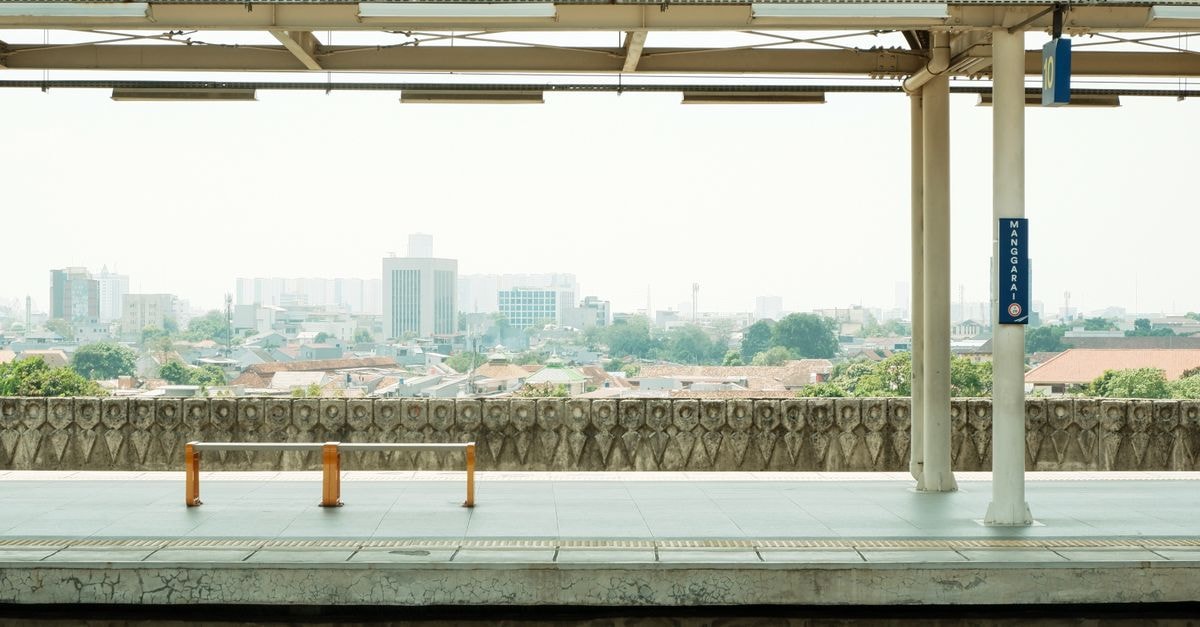
A first impression of Hefei

Hefei sits quietly in the heart of Anhui Province, and that quietness is part of its appeal. As the provincial capital, it carries the steady, lived-in feeling of a Chinese city that is more about everyday rhythm than a checklist of headline sights. Travelers who arrive expecting a glossy metropolis often find something gentler instead — wide avenues, leafy neighborhoods, and a pace that invites unhurried wandering.
This guide is built for the curious independent visitor who wants to understand Hefei on its own terms. Rather than rush you through a packed itinerary, it leans into a few practical themes: the kind of weather you are likely to encounter, the transport options that connect the city, a single attraction worth pausing on, and the food culture that gives Anhui its identity. The aim is to help you arrive prepared and leave curious for more.
Weather and seasonal context
Hefei's climate leans warm for much of the year, and daytime temperatures around 31 °C are typical readings in the warmer stretch of the calendar. That figure sits close to the historical average for the city, which is a useful anchor point when you are packing.
What this tends to mean on the ground is that Hefei can feel quite warm during the day, with humidity that rewards a slower pace and frequent breaks indoors. Lightweight clothing, a refillable water bottle, and a willingness to step into air-conditioned museums, malls, or tea houses between outdoor stretches will make a big difference. If you are sensitive to heat, plan heavier sightseeing for the cooler mornings and save open-air wandering for the softer light of late afternoon.
Because the approved weather evidence is limited to that 31 °C reading and the note that it tracks the historical average, this guide keeps the climate advice gentle and non-absolute. Treat any forecast you see closer to your trip as the more precise reference, and use the notes above as a reminder that Hefei can ask for a slower pace than you might have planned.
Getting around
Hefei is well served by air and rail, and once you are in the city, public transport and taxis fill in the gaps. The main air gateway is Hefei Xinqiao International Airport, which sits roughly 31 kilometers from the urban core according to transport reference material. That distance is worth keeping in mind when you are budgeting time on arrival or departure day — it is not a quick airport hop, but it is also not an all-day affair.
Within the rail network, Hefei has multiple stations to know about. Hefei Railway Station sits within the New Railway Station Comprehensive Development Experimental Zone and is reachable by city buses, which makes onward transfer relatively straightforward. The city is also served by other railway stations referenced in local transport guides, giving travelers arriving from elsewhere in China several convenient entry points depending on which high-speed or conventional line they are using.
Inside the city, the metro is a useful backbone. Three metro lines — Line 1, Line 2, and Line 3 — are listed among Hefei's transport options, along with bus services and taxis. For first-time visitors, the metro is often the cleanest way to move between major districts without worrying about traffic, while taxis and ride-hailing apps handle the moments when a station is not conveniently close to where you want to be.
A few practical habits help at the airport in particular. It is worth checking the official Hefei Xinqiao International Airport website before travel for the most current ground transport information, and when you do arrive, sticking to official taxi ranks or pre-booked apps is a simple way to keep your first hour in the city smooth and predictable.
Attractions and planning
Hefei does not market itself as a city of blockbuster landmarks, and that is part of its charm for slow travelers. One attraction that consistently earns positive mentions from visitors is the local science museum, where a dome theater experience tends to be a highlight and where the broader museum is described as both informative and enjoyable. That kind of indoor, sit-down attraction fits neatly into a Hefei day, especially when the weather is warm and you are looking for a shaded, air-conditioned break.
Because the approved evidence for attractions is limited to that single venue, this guide deliberately stays narrow on the sightseeing side. Rather than pad the section with unsourced recommendations, it is more useful to think of Hefei as a city where you build your day around one or two anchor visits and then let the rest unfold at walking pace. Local parks, university districts, and residential neighborhoods are part of that texture, even if they are not formal attractions.
If a science-museum dome show appeals to you, building your day around it makes practical sense: arrive refreshed in the morning, plan lunch nearby, and leave the late afternoon for gentler wandering. Travelers with a longer stay can simply repeat that pattern with a different anchor each day rather than trying to compress too many stops into one.
Food and local context
Food is where Hefei's story becomes most flavorful. Anhui cuisine is one of China's recognized "Eight Cuisines," and in its provincial capital you have a chance to taste that tradition in a setting that has not been completely smoothed out for tourists. Because of its central position in the region, Hefei has historically drawn flavors from surrounding areas while still holding onto the character of what is often called ancient Luzhou cuisine.
That blend gives Hefei an interesting food culture to explore: dishes rooted in Anhui's own culinary identity, alongside influences absorbed from neighboring regions. For visitors, the practical takeaway is that menus around the city are likely to reflect this layered history rather than a single, narrow style. It is a good place to ask what is local, what is in season, and what the kitchen recommends.
Treating mealtimes as part of the sightseeing — rather than a refueling stop between attractions — tends to reward visitors in Hefei. A leisurely lunch followed by a quiet afternoon, then a longer dinner when the day cools, mirrors the rhythm of the city itself.
Wider Chinese dining customs may also surface while you are in Hefei. Across China, meals are often shared family-style, with several dishes placed in the center of the table for everyone to try. Adapting to that rhythm — ordering a few plates to share rather than one per person — is an easy way to eat well and feel at home in the moment.
A few final notes before you go
Hefei rewards travelers who arrive with a flexible plan and a willingness to slow down. With warm weather common for much of the year, transport that covers air, rail, metro, and taxi comfortably, a standout indoor attraction in the science museum and its dome theater, and a food scene rooted in one of China's major culinary traditions, the city offers a complete-enough picture without overwhelming first-time visitors.
Factual travel conditions can change, so before you depart it is worth checking the official Hefei Xinqiao International Airport website for current ground transport options and verifying schedules for the railway station you plan to use. With those simple checks done, Hefei is the kind of place where a calm arrival tends to lead to a calm, memorable trip.
Prices, opening hours, schedules, reservation rules, and local conditions can change; verify them through official channels before departure.
Share this article
TOOLS FOR THIS PLAN
Make the Hefei plan measurable
Choose a tool only when it answers the next question in your trip. Your values stay in the browser, and each tool offers a route back to this planning context.