A Quietly Interesting Capital in the Heart of Hebei

Shijiazhuang tends to arrive in travelers' lives as a waypoint, the kind of city people pass through on the way to somewhere else. That is a little unfair, because the capital of Hebei is its own destination, with an identity shaped less by glossy monuments and more by daily life, regional food, and a handful of historic sites worth slowing down for. If you are visiting Shijiazhuang with a day or two to spare, the city rewards the curious traveler who is willing to wander a bit beyond the obvious.
This guide is built around the kind of practical questions independent travelers actually ask: how to move between the airport and the city, what classic sights anchor a short visit, and what to look forward to at the table. I have leaned only on grounded information, and noted where you will want to double-check a detail before you go.
Weather and Seasonal Context
Shijiazhuang sits in a part of northern China where the seasons feel genuinely distinct, and the city's character shifts with them. Winter days can be crisp and chilly, with average daytime highs sitting around 3 °C (about 38 °F) in the coldest month, which gives a real sense of how cold the season can feel. That kind of long-term climate picture is more useful for packing than for planning the day itself, since any given week can swing a few degrees either way. The practical takeaway is simple: layer up in winter, lighten up in summer, and treat any forecast you see a few days before travel as the more reliable signal for your actual trip.
Getting Around
Air arrivals land at Shijiazhuang Zhengding International Airport, which is the main gateway to the city. A few practical notes are worth keeping in mind before you step out of the terminal. According to local transport listings, airport shuttle bus services have historically connected the airport with different parts of the city, including a route running between the Civil Aviation Hotel and the airport from the Qiaodong District side, and another starting point at Jinyuan Mansion serving the western district with stops such as the FX Hotel. Because shuttle routes, stops, and schedules can change over time, it is sensible to verify the current options on the official Shijiazhuang Zhengding International Airport website before you travel, rather than relying on older route descriptions.
For ground transport more broadly, the same general guidance applies: at the airport, only use official taxi ranks or pre-booked ride-hailing apps, and avoid unmarked drivers approaching you in the arrivals area. This is less about danger and more about getting a fair meter or fare, and about knowing where you are actually going.
Within the city itself, Shijiazhuang also has a metro system, with Lines 1, 2, and 3 linking major districts and railway stations, including Shijiazhuang Railway Station and the East Railway Station. For a first-time visitor, the metro is often the easiest way to get oriented, especially since it connects directly to many of the areas you are most likely to be staying or sightseeing in. Combined with taxis and ride-hailing apps for shorter hops, the city is reasonably easy to navigate without your own vehicle.
Attractions and Planning
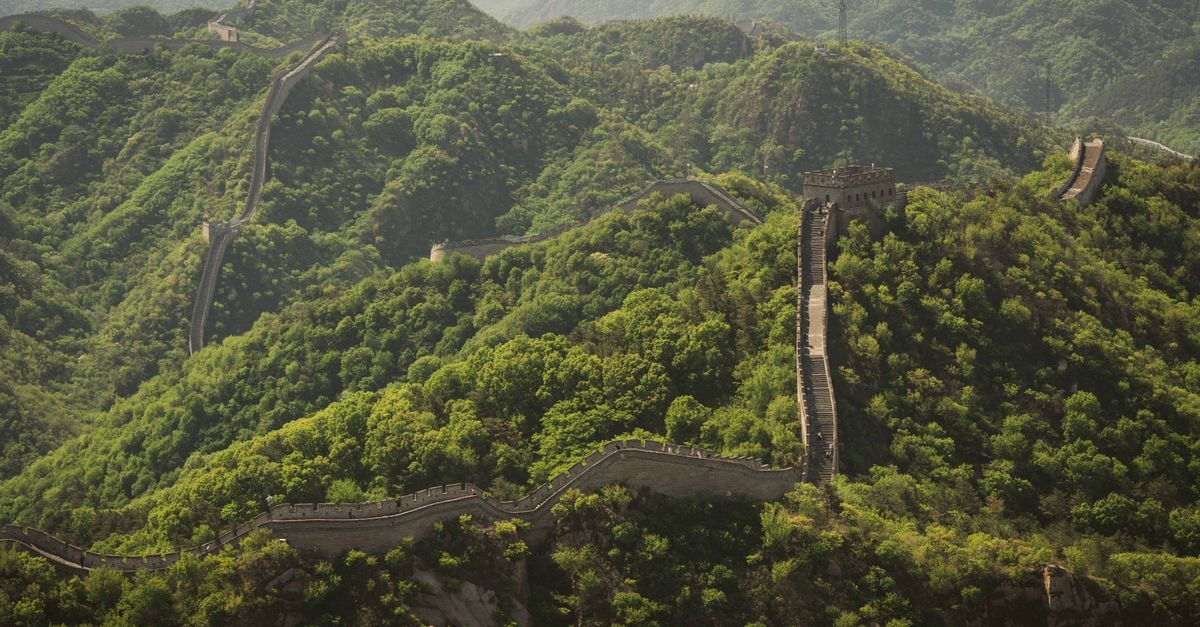
The first thing to know about sightseeing in Shijiazhuang is that the city blends historical relics with surrounding natural scenery, which means your time can be split between cultural stops and quieter, greener outings. Two anchors come up consistently in any overview of the city's sights.
The first is the Zhaozhou Bridge, a landmark that has earned its place in any serious list of historical monuments in the region. It is the kind of site where a little background reading before you visit turns a photo stop into a much richer experience, because the engineering and history behind it are more interesting than the surface view suggests. The second anchor is the Cangyan Scenic Area, which is classified as a national AAAA tourist attraction in China. That rating puts it firmly in the "worth a detour" category, particularly if you enjoy scenic landscapes paired with cultural heritage sites. Cangyan tends to involve more travel time than an in-city stop, so it works best as a half-day or full-day outing rather than something you squeeze between meals.
Because the quality of the experience at both of these places can depend on weather, transport connections, and ticketing arrangements on the day, treat any specific opening times, ticket prices, or shuttle availability as something to confirm closer to your visit. The classification of the sites themselves is stable; the logistics around them are not.
Food and Local Context
It is worth saying out loud: Shijiazhuang is not one of those Chinese cities with a long, famous list of local delicacies that every guidebook insists you try before you leave. Sources that look at the city's dining scene tend to describe it as more limited in purely local specialties than some better-known food capitals, while pointing out that what the city does have tends to be genuinely good. Two dishes are most often associated with the wider Shijiazhuang area and give it a recognizable culinary identity within Hebei: Jin Feng Braised Chicken and Donkey Burgers, both of which you will find in restaurants and food spots across the region. If you eat one regional dish while you are in town, make it one of these.
Beyond the local classics, the city offers a wide range of snacks and dishes from other parts of China, which means you are unlikely to run out of options even if the regional menu feels short. International chains are present too, so you are never far from a familiar meal if you need a break from exploring. For street food, the general pattern in a sizeable Chinese city like this is that you will find clusters of stalls around busy commercial streets, transport hubs, and evening walking areas. Specific stall locations and reputations change quickly, so treat any recommendation you hear on the ground, or read online, as a starting point rather than a guarantee.
On the customs side, tipping is not customary or expected in Shijiazhuang restaurants, in line with broader dining norms across China. You do not need to leave a percentage, and service is not priced with the assumption that you will. If you want to show appreciation for particularly good service, a sincere compliment to the staff goes a long way.
A Final Note Before You Go
Shijiazhuang rewards travelers who treat it as a destination rather than a transit point. A short stay built around the metro, one or two historic sights like the Zhaozhou Bridge, an outing to the Cangyan Scenic Area if time allows, and at least one meal of Jin Feng Braised Chicken or a Donkey Burger will give you a feel for what the city actually is. Conditions change, transport routes get adjusted, and opening arrangements shift, so it is always worth checking official channels, including the airport's own website and current travel listings, before you finalize plans. With that in mind, the city is a quietly interesting stop in Hebei, and one that is easier to enjoy than its reputation suggests.
Share this article
TOOLS FOR THIS PLAN
Make the Shijiazhuang plan measurable
Choose a tool only when it answers the next question in your trip. Your values stay in the browser, and each tool offers a route back to this planning context.