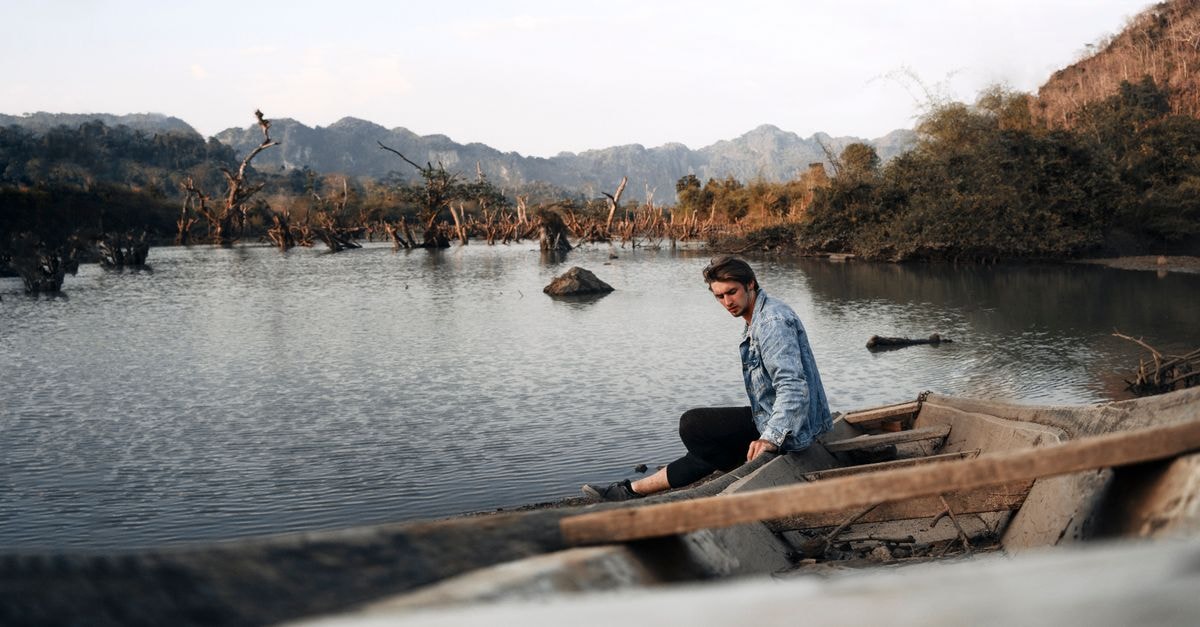
A Mountain City Framed by the Great Wall

Set in northern Hebei and edging toward the grasslands of Inner Mongolia, Zhangjiakou carries a quieter, hill-country rhythm than the big eastern capitals. Locals sometimes call it the Mountain City and the Museum of the Great Wall, a nickname that hints at the meeting of stone fortifications and highland landscapes. It feels like a city shaped as much by its altitude and its winds as by its streets, and that sense of openness is part of the appeal for travelers who want a slower base from which to explore northern China.
The practical side of any visit comes down to a handful of moving pieces: what the climate tends to feel like across the year, how to actually arrive and move around, where the city's heritage and scenery begin, and what kind of food culture you are walking into. Each of those themes is worth understanding before you arrive, because Zhangjiakou rewards visitors who come prepared for cool evenings, long distances between sights, and a regional palate that sits between several northern traditions.
Weather and seasonal context
Zhangjiakou sits under a temperate continental monsoon climate, which is a tidy way of saying that the four seasons feel distinct and the swings between them are real. Travelers who are used to softer coastal weather should expect sharper transitions, warmer summers that still cool down after sundown thanks to the elevation, and cold winters that bite with dry northern air. Daylight and temperature shift quickly through spring and autumn, which are often the most comfortable windows for walking the city's outdoor sites.
Because the climate is so seasonal, packing is less about the calendar date and more about the kind of day you plan to have. Layers are useful almost any time of year, with a warmer top for evenings in the warmer months and a proper insulated jacket for winter visits. Sunscreen and a hat help in summer when the highland sun feels stronger than the temperature suggests, while lip balm and moisturiser are quietly useful in the colder, drier months. Visitors planning long days outside should think about pacing themselves, since altitude and wind together can tire even fit walkers faster than they expect.
Getting around
Arriving in Zhangjiakou is generally straightforward, with two main long-distance options. Travelers can fly directly into Zhangjiakou Ningyuan Airport, which makes sense for visitors coming from elsewhere in China or connecting through a hub. For those already in the wider region, the rail link is worth understanding: trains shuttle between Zhangjiakou South Railway Station and both Beijing and Datong within roughly four to five hours, which puts the city within a comfortable day's journey of two very different neighbors.
Inside the city, the transport picture is shaped by the fact that Zhangjiakou is landlocked and hilly. Important hubs include Zhangjiakou Railway Station and Zhangjiakou South Bus Station, alongside retail districts that act as informal reference points for navigation. There are no boat taxis or water-based transport options to factor into your planning, which simplifies the mental map: think rail for long distance, buses and local road transport for shorter hops, and walking for the parts of the city you actually want to feel on foot. Because distances between heritage sites can be long, visitors often find that pairing a morning of city walking with an afternoon of bus travel works better than trying to cover everything on foot in a single stretch.
Attractions and planning
Zhangjiakou's tourism draw is unusually wide for a city of its size. The wider area offers a blend of historical relics and natural landscapes, which means visitors can shape a day around either stone-and-mortar heritage or open-air scenery, or mix both. Planning tends to work best when you accept that the Great Wall is the headline theme and build around it rather than treating it as one item on a longer checklist.
The Great Wall connection is the city's most distinctive thread. Zhangjiakou is nicknamed the Museum of the Great Wall and the Mountain City out of Great Wall, a phrase that reflects how many surviving sections, beacons, and supporting fortifications sit within reach of the urban core. For visitors, that label is less about counting every site and more about setting expectations: the Wall here is not a single monument but a scattered landscape, and the joy is in choosing one or two sections that match your energy level rather than racing between as many as possible. A useful approach is to decide in advance whether you want a closer, easier-to-reach stretch for a half-day or a longer drive into the hills for a more immersive walk, then let the rest of your day fill in around that anchor.
Food and local context
Dining in Zhangjiakou is best approached as an extension of the city's geography rather than as a list of signature dishes. The wider region sits close to northeastern China and borders Inner Mongolia, and some of the food more or less shares the same flavors as those two areas. That phrasing matters for visitors: it sets up expectations of hearty, warming, grain-and-meat-leaning plates, with a strong taste for lamb, dumplings, noodles, and the kind of preserved vegetables that suit a cold-weather climate.
Within China more broadly, dining culture tends to be social and unhurried, with shared dishes placed in the center of the table and tea poured frequently. Visitors who are used to single-plate service may need to recalibrate, since meals are usually ordered for the group rather than for the individual, and pacing follows conversation rather than the clock. If you are traveling with companions, leaning into that rhythm, asking what others are ordering, and being open to trying whatever is set in front of you tends to be rewarded with a warmer welcome.
In practical terms, the city's restaurants range from casual noodle shops to more formal settings, and menus in central districts often carry pictures that make ordering easier for non-Chinese readers. It helps to learn a few staple words ahead of time, particularly for noodles, dumplings, and lamb, since those come up often across the region. Visitors with dietary restrictions should mention them early when ordering, because northern kitchens tend to default to richer, oilier preparations unless asked otherwise.
Putting it all together
A thoughtful Zhangjiakou trip usually pairs one or two Great Wall sections with unhurried time in the city itself, allowing the slower pace of the highlands to sink in. Because the climate is genuinely seasonal, packing in layers and treating the wind and altitude as real factors will make every outdoor stop more pleasant. Transport is built around the airport for long arrivals and the rail link to Beijing or Datong for shorter ones, while local buses and walking handle the rest.
Treat the food scene as part of the landscape rather than a checklist. Sit down for longer meals, share dishes, and let the northern palate speak for itself. Above all, give the city room to breathe. Zhangjiakou is the kind of place that reveals itself in the gaps between the Wall sections, in the steam rising from a noodle bowl, and in the particular quality of light that comes off the hills late in the day.
Factual travel conditions can change, and official channels should be checked before departure to confirm current transport timetables, site access, and any local guidance.
Share this article
TOOLS FOR THIS PLAN
Make the Zhangjiakou plan measurable
Choose a tool only when it answers the next question in your trip. Your values stay in the browser, and each tool offers a route back to this planning context.