A measured welcome to the Queen of Hills

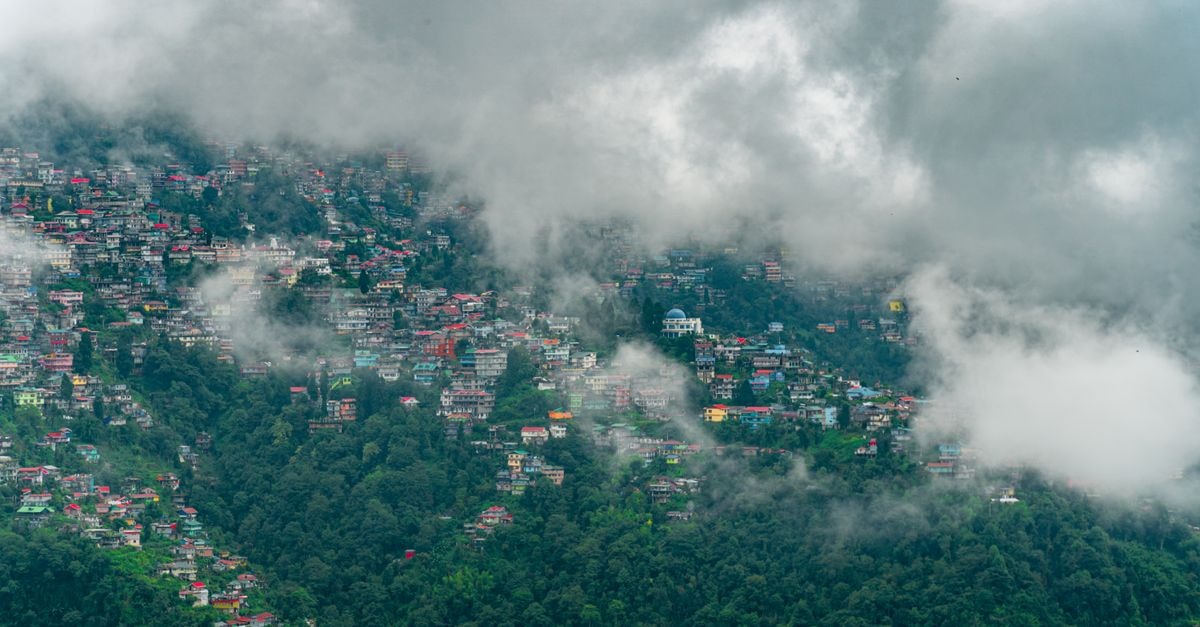
There is a particular hush that settles over Shimla when the morning fog lifts off the pine slopes and the colonial-era balconies come back into view. Tucked into Himachal Pradesh, this hill station wears its history lightly: terraced lanes, weathered timber houses and the soft echo of church bells still shape the rhythm of a walk through town. Visitors tend to fall into a gentler pace here, and the city seems to reward it.
What follows is a practical, evergreen guide built around the things the city genuinely does well: a transport network that doubles as part of the experience, attractions rooted in heritage and landscape, and a food culture that quietly anchors the whole trip. Think of it less as a list and more as a way of seeing Shimla slowly.
Getting around: networks, nostalgia and slow travel
Shimla's transport story is unusually charming because so much of it is woven into the sightseeing itself. Public and private options overlap in a way that lets you choose between efficiency and atmosphere on any given day.
Within the city and to nearby towns, a comprehensive bus network is operated by HRTC (Himachal Road Transport Corporation). It is the workhorse option for getting from one ridge to another, and for travelers who like the rhythm of a local bus ride, it doubles as a small cultural experience. Sitting near the front window, watching the road unspool through tunnels and deodar groves, is part of how a lot of visitors fall in love with the hills.
Beyond the standard network, the region is also known for specialized transportation methods that contribute to the travel experience, specifically for reaching certain attractions or for organized tours. This is the part of getting around that has its own flavor: vehicles and routes that are chosen less for speed and more for the journey. It is worth asking locally about what is running for your specific outing, because these services tend to be tied to particular routes, viewpoints or heritage stops rather than running on a flat city schedule.
A practical rhythm emerges from these two layers. Use HRTC for straightforward A-to-B moves and confidence on the network; use specialized transport when the goal is the experience itself. Mixing the two, rather than picking one, usually makes for the most satisfying day in Shimla.
Heritage attractions and the art of slow planning
Shimla's appeal is not a stack of headline attractions; it is a layered place where a colonial past, a forested setting and a few landmark structures quietly share the stage. That said, two touchstones are worth giving real space in any plan.
The first is the Shimla-Kalka Railway, a UNESCO World Heritage Site, where the journey is the destination. A Toy Train ride offers a scenic slow-paced trip through the hills, with the reward being beautiful scenery and fresh mountain air as the narrow-gauge tracks curl through mountain cuttings and across bridges. For many travelers, this single ride frames the entire trip: it sets a tempo that makes the rest of the stay feel less rushed.
The second is the Viceregal Lodge. Even visitors with only a passing interest in history tend to linger here, because within the walls of this lodge was where the Shimla Agreement was sealed. Standing in those rooms, the wider story of colonial India and its aftermath becomes surprisingly tangible, and the building's grounds and architecture add a second layer for anyone drawn to period design.
Beyond these two anchors, Shimla's broader identity rests on its colonial heritage sitting amid lush surroundings of pine and oak forests, which is exactly why it remains a popular holiday destination today. That pairing, built heritage set against forested hills, is what gives the city its particular mood and why slow planning tends to work so well here. Rather than racing between sights, the most rewarding visits usually involve two or three anchored stops, generous walking time, and space for the kind of unplanned moments that happen naturally on a hill station promenade.
Food and local context: a small gastronomic journey
Shimla's food scene is best approached as an extension of its landscape. The kitchen culture here leans on aromatic spices and hearty mountain staples, and a visit becomes more memorable when you let that local character guide your choices rather than defaulting to familiar chains.
A practical food guide for the region frames meals as a small gastronomic journey, threading through the must-try local foods in Shimla and the wider regions of Himachal Pradesh. In practice, that means leaving room for the kind of slow, sit-down Himachali meals that pair well with the cool evenings, and being open to roadside stops and small cafes that double as social spaces. Cafes in particular tend to be gathering points, and the city has earned a reputation for the kind of spots where coffee, snacks and conversation stretch out longer than you planned.
Within India more broadly, regional kitchens are proud of their spice work and their ability to turn simple mountain ingredients into deeply comforting plates. Visitors passing through Shimla will encounter that wider Indian sensibility easily enough: menus that lean into regional spice blends, chai rituals, and the kind of warmth that comes from being fed well after a day on foot. Treat each meal as part of the trip's texture, not a break from it, and the food stops will start to feel like landmarks of their own.
Putting the pieces together
The throughline of a good Shimla trip is restraint. Heritage sights are best when not over-scheduled. Train rides are best when given the full day they ask for. Meals are best when treated as events rather than refueling. The HRTC network handles the practical movement between these moments; specialized transport handles the experiences that need their own vehicle or route; the Toy Train and the Viceregal Lodge supply the historical anchor; and the local kitchens fill in the rest.
Travel lightly, dress for shifting mountain weather, keep at least one half-day completely unscheduled, and let the city's slow, forested pace do the work. Shimla rewards travelers who arrive with a plan and leave with a softer one.
A short note before you go: factual travel conditions, including transport schedules, heritage site access and local services, can change over time. It is always worth checking official channels and current local guidance shortly before departure so that your plan reflects the city as it is on the day you arrive.
The information in this guide reflects broader, durable characteristics of Shimla and Himachal Pradesh rather than a specific point in time, so any seasonal details, current fares or opening arrangements should be reconfirmed through official tourism and transport sources before you travel.
Share this article
TOOLS FOR THIS PLAN
Make the Shimla plan measurable
Choose a tool only when it answers the next question in your trip. Your values stay in the browser, and each tool offers a route back to this planning context.