A quiet doorway between seas
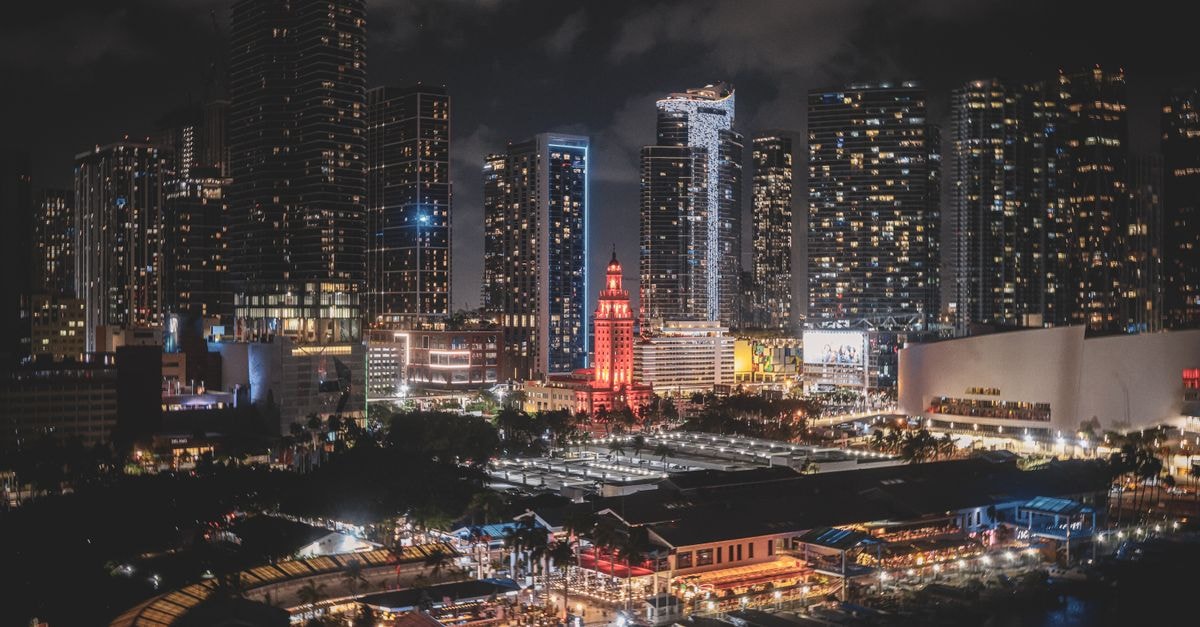
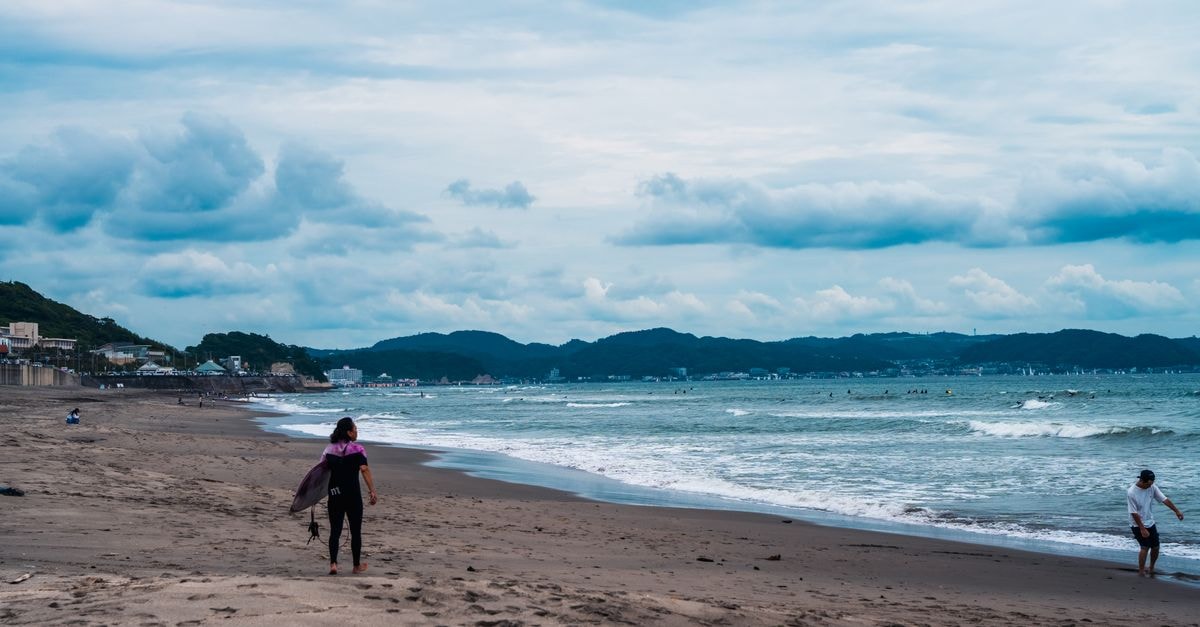
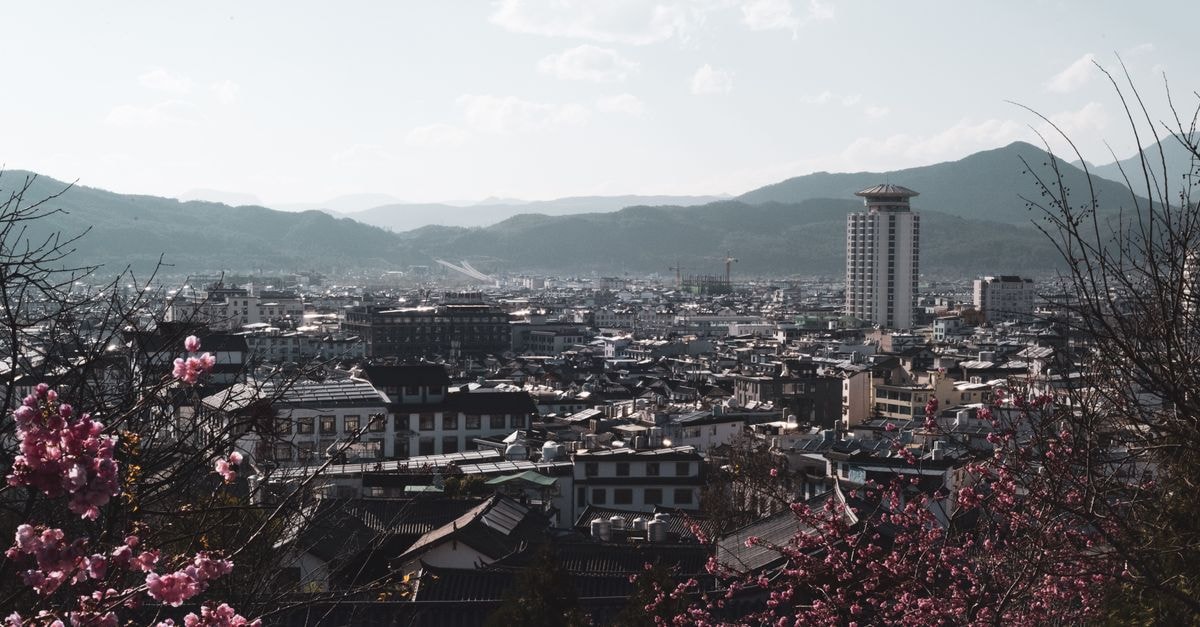
There is something quietly cinematic about Shimonoseki. It sits at the very southwestern tip of Honshu, the last gasp of Japan's largest main island before the water takes over, and the air here always seems to carry a hint of salt and a sense of a journey coming to an end, or just beginning across the way. For travelers who like the idea of a port city that feels like a real working port rather than a postcard, this corner of Yamaguchi has a particular pull: ferries humming, gulls wheeling, and a long shoreline that reads as both history and horizon.
What follows is not a checklist of must-see attractions or a scripted itinerary. The approved factual record for this guide is intentionally narrow, and that is a feature, not a flaw. You will find out how the city sits within Japan's rail geography, what resources exist for foreign-language visitors, and how Japan's wider food culture frames a meal out anywhere in the country, including here. Everything else, from specific restaurants to opening hours to ticket prices, is deliberately left for you to verify through current official sources before you travel.
Getting around and arriving in Shimonoseki
Shimonoseki is in Yamaguchi Prefecture, positioned at the southwestern tip of the main island of Honshu in Japan, which gives it a distinctive role in the country's rail and ferry geography. The city is described as the next-to-last stop on the San'yo Main Line and the last stop on the San'in Main Line, a small detail that actually matters quite a lot to anyone planning how to reach it by train, because it tells you where Shimonoseki sits in the larger network rather than treating it as an isolated destination.
Across the Kanmon Straits lies Moji-ko in Kitakyushu, and the Shimonoseki aquarium is mentioned together with that view, which is a useful mental anchor when you are looking at maps and trying to picture the layout of the harbor. For visitors who want practical local orientation, the local tourist association maintains a partly multilingual guide site, which can help with basic phrases, regional context, and figuring out which side of the straits you are looking at from a given viewpoint. Travelers who prefer to anchor themselves around a city's rail termini before they arrive may appreciate this kind of structural information, because it sets expectations for what a day looks like without promising specific attractions.
The same caveat applies here as everywhere else in this guide. A mention of a multilingual site is not a guarantee about which languages are currently maintained, how frequently pages are updated, or whether every sub-page is translated. Treat it as a useful pointer, and confirm details directly before relying on any single page.
Food and the wider context of eating in Japan
Food is one of the most natural entry points into Shimonoseki, but the factual record here is deliberately wide rather than narrow. Rather than naming specific restaurants or signature dishes in the city, the approved evidence describes the broader country context that visitors will encounter while dining here. It is worth spending a moment on that context, because it shapes the texture of a meal out anywhere in Japan, Shimonoseki included.
As an island nation, Japan lies where warm and cold currents meet, and that geographic fact is tied to a rich seafood culture that the country is well known for. Visitors in Shimonoseki, sitting right on the water, may find that the seafood on offer around them feels especially present, even if no specific market or venue is named in this guide. Travelers who prioritize harbor views and proximity to the water may enjoy simply paying attention to how that maritime setting informs menus and street-level food stalls, without expecting any single place to be the definitive choice.
Japanese cuisine is also described as having a large variety of dishes and regional specialties, which is a useful reminder that the experience of eating in Shimonoseki is shaped by both Yamaguchi's regional traditions and the wider national food culture. Alongside that variety, the dining landscape itself runs from mobile food stands and inexpensive chain shops to atmospheric drinking places, seasonally erected terraces over rivers, and centuries-old ryotei. That range is worth keeping in mind, because it tells you that price point and formality can vary enormously from one meal to the next, even within the same neighborhood.
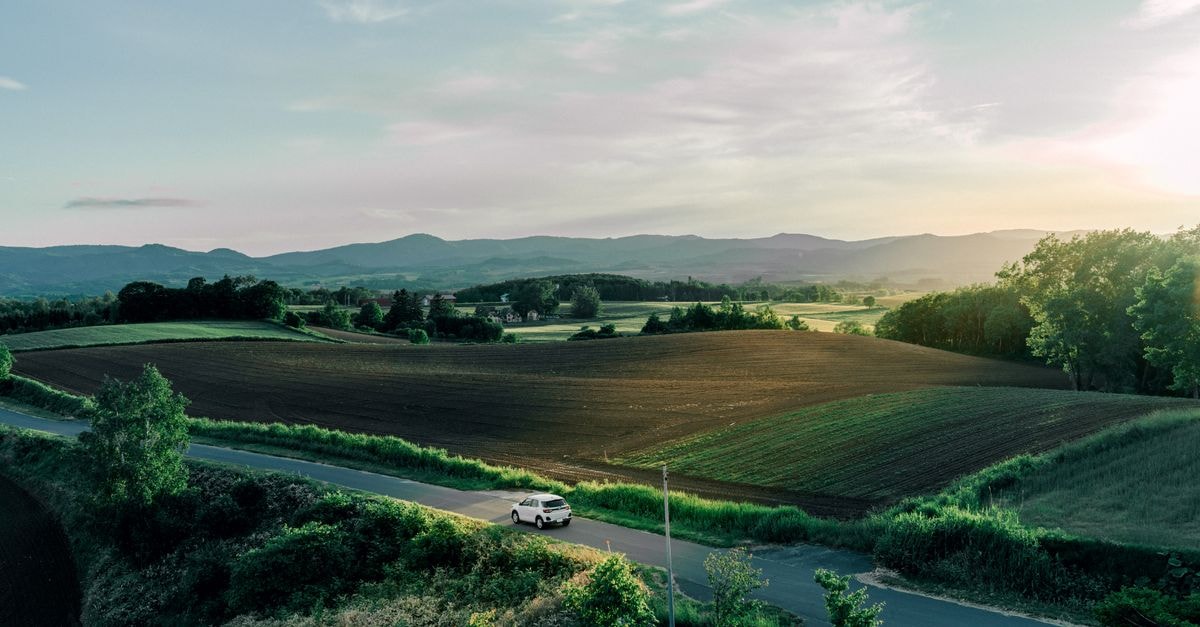
There is also a softer, cultural thread. Students can visit or stay at local farms and experience how local farmers grow delicious foods that have shaped Japan's washoku culture. You are unlikely to be a student traveler on a working holiday, but the underlying idea travels well: agricultural and fishing traditions are part of the country's food identity, and that identity is something a thoughtful visitor can taste, read about, and ask questions about, rather than something that needs to be pinned down on a checklist. Diners who enjoy slow, curiosity-driven meals and asking about sourcing may find that posture suits a Shimonoseki evening better than rushing between set restaurants.
Choosing what fits your trip
Because the evidence base for this guide is intentionally tight, the most honest way to plan is to match your travel style to what is actually documented. If you are the kind of visitor who wants to understand how a city connects to the rest of the country before you step off the train, Shimonoseki's position as the next-to-last San'yo stop and the final San'in stop gives you a clean structural anchor, and the multilingual tourist association site gives you a starting point for orientation. Consider building your first afternoon around simply reading a map, walking the harbor edge, and watching ferries cross toward Moji-ko, rather than chasing a fixed list.
If food is your main lens, the broader Japan context is your real guide here: a seafood-rich island cuisine, a huge spread from street stands to formal ryotei, and a food culture with deep agricultural and fishing roots. Eat where locals queue, ask what is fresh that day, and let the harbor do some of the storytelling. Travelers who need hard reservations, specific menus, or set price points should verify those directly, because this guide does not record them.
A note before you go
Factual conditions around transport, opening hours, and local services can change, and the details in this guide reflect a narrow set of approved references rather than a live status check. Before you travel, cross-check the local tourist association's multilingual site, current rail timetables for the San'yo and San'in lines, and any harbor or aquarium information through official channels. Currency, weather, and ticketing details, where relevant, should also be confirmed at the time of booking.
A short verification question worth asking before departure: which of the San'yo and San'in line termini is the more useful arrival point for your itinerary, given where you are coming from on Honshu? The answer reshapes your whole first day, and the factual record here only gives you the geography to start thinking about it.
Share this article
TOOLS FOR THIS PLAN
Make the Shimonoseki plan measurable
Choose a tool only when it answers the next question in your trip. Your values stay in the browser, and each tool offers a route back to this planning context.