There's a particular kind of hush that settles over Siena, even on its busiest days. You feel it the moment you cross into the historic core, where terracotta and travertine replace the green of the Tuscan hills outside the city walls. This guide is built for travelers who want to arrive in Siena already understanding what makes the city tick: its medieval grid, its fiercely local Contrade culture, and the way it sits like a calm centerpiece in the wider Tuscan map.

Where Siena Sits in Tuscany
Before you start mapping streets, it helps to know where Siena actually lives on the regional map. Siena is a municipality in Tuscany, capital of the province of the same name and head of the Terre di Siena territorial ambit, a position that quietly explains why so many nearby villages look to the city as a reference point rather than to Florence or Pisa.
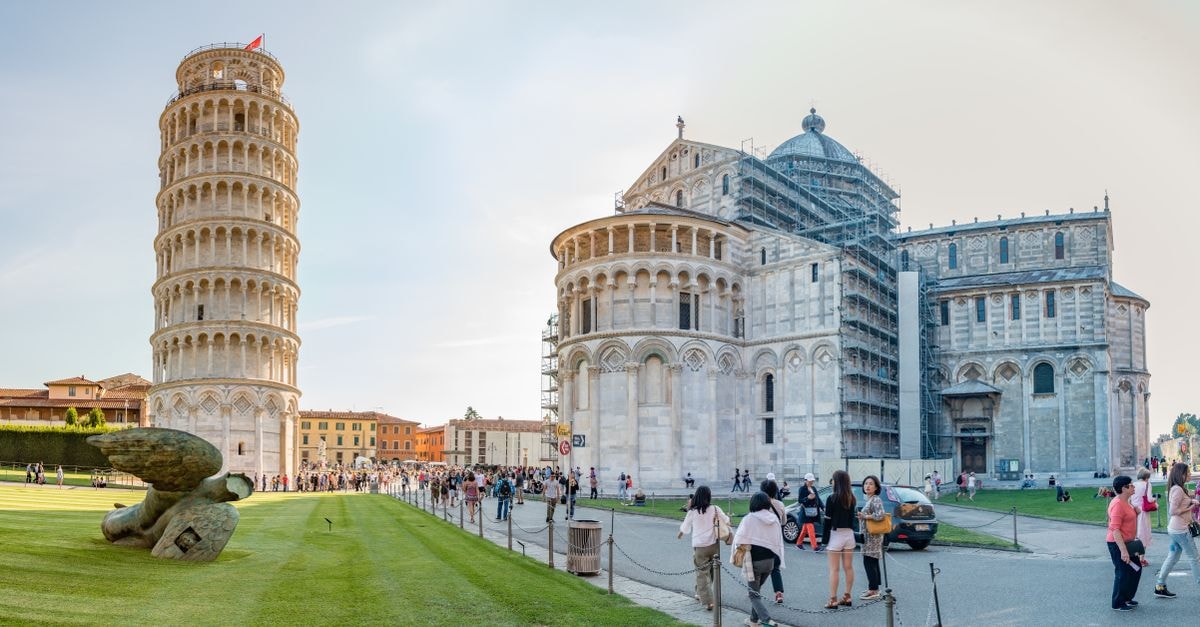
In practical terms, Siena sits in the heart of Tuscany, about 75 km from Florence, 125 km from Pisa and 70 km from Arezzo. That central position is one of the city's quiet superpowers: you can arrive from Florence by road in well under two hours, and Pisa and Arezzo are both comfortable day-distance drives away. Because Siena is elevated and walkable on a human scale, many travelers base themselves here and use the city itself as the anchor, with longer regional moves done on foot or by short road hops.
Walking Through a Medieval City
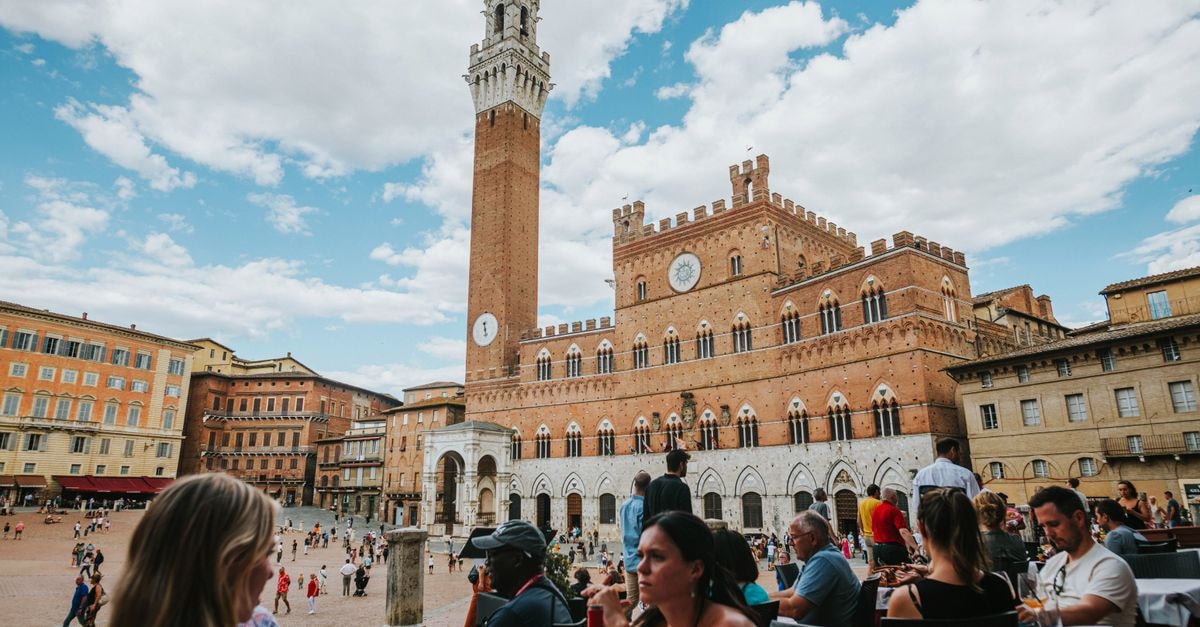
The same UNESCO framing points out a quieter detail that shapes the entire urban experience: Siena's inhabitants pursued their rivalry with Florence right into the area of urban planning. You don't need to know the medieval politics to feel this on the ground. It simply means Siena's street plan, its fan-shaped Piazza del Campo, and the placement of its monuments all grew out of an intentional identity that was building itself in contrast to its bigger Tuscan neighbor. Once you understand that the city was, in a real sense, designed to be Siena and not Florence, the wayfinding and the photo spots both start to make sense.
A municipal description from the Comune di Siena underlines the same continuity from a more cultural angle, noting that few cities keep the civil and cultural heritage of the medieval period as alive as Siena does, with the Palio and the 17 Contrade standing alongside its artistic masterpieces and a historic center that resembles an open-air museum. The phrasing matters here: this isn't describing relics behind glass, but a living inheritance where streets, civic rituals and artistic treasures are part of the same daily fabric.
A Year of Festivals, with Summer in the Lead
Siena isn't a city you visit once and then feel you've seen it. The Comune di Siena frames the city's cultural rhythm by noting that Siena organizes over 600 events every year, often of extraordinary quality, such as summer music festivals and major exhibitions. That volume of programming is what makes Siena feel like a place with seasons rather than a single highlight.
Summer tends to be the moment when visitors first encounter Siena, and the city's own tourism description leans into that. According to Visit Siena, summer is the holiday season par excellence for the city, perfect for outdoor activities and folklore. The same official framing then turns directly to tradition: this folklore takes shape during historical re-enactments and popular festivals like the Palio di Siena, the horse race run twice a year around the Piazza del Campo on behalf of the Contrade.
For most travelers, the practical takeaway is straightforward. If your interest is in medieval streets alone, any season in Siena will reward you. If you also want a sense of the city's living folk culture, summer is when the city itself leans hardest into outdoor performances, re-enactments and festival programming, with the Palio as the headline moment. Treat the Palio as one event inside a much fuller summer calendar, not as the only thing happening in the city.
Planning Around the Palio and the Contrade
Because the Palio so often sets the tone for how Siena is discussed, it's worth understanding it on its own terms before you arrive. Visit Siena frames the Palio gently: if you have only heard about Siena because of the Palio, the city invites you to watch their video and see for yourself whether Siena and the surrounding villages are the right destination for your next trip. That invitation is useful framing for any traveler, not just horse-racing fans.
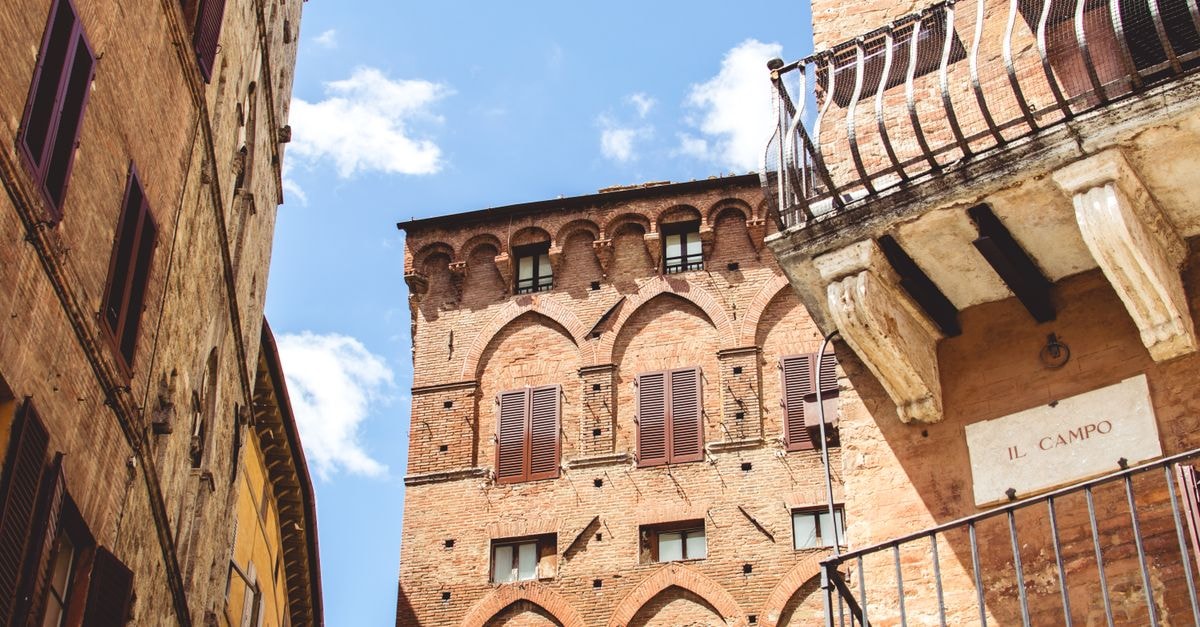
The deeper context is the Contrade system. The city is divided into 17 neighborhoods, each with its own symbol, church, social center and fierce local loyalty, and each Contrada competes in the Palio on behalf of its community rather than as a generic athletic team. For visitors, the practical implication is that even outside of Palio week, walking through Siena means walking through Contrada territory. Fountain columns, street plaques and small museum spaces quietly mark whose neighborhood you're in. Slowing down for these details is one of the most rewarding ways to spend time in the city.
How to Use This Guide in Practice
A few honest notes about what this guide can and cannot do for your trip. It is built to give you a clear, evergreen picture of Siena, its place in Tuscany, and the cultural shape of the city. It does not assume you have already booked a specific date or that any one summer festival is currently running on your travel dates. Treat it as a foundation rather than a schedule: once you've decided when you're going, the Visit Siena official channels are the right place to confirm what is on during your actual travel window, including Palio dates, exhibition schedules and any road or event changes.
If you're the kind of traveler who likes to arrive already understanding the place, Siena rewards that preparation more than almost any Tuscan city. Read a little about the Contrade before you go, decide whether your trip lines up with a summer festival window, and keep a half day unscheduled so that the medieval core can pull you into its own rhythm rather than the other way around.
Share this article
TOOLS FOR THIS PLAN
Make the Siena plan measurable
Choose a tool only when it answers the next question in your trip. Your values stay in the browser, and each tool offers a route back to this planning context.