A measured welcome to Pisa
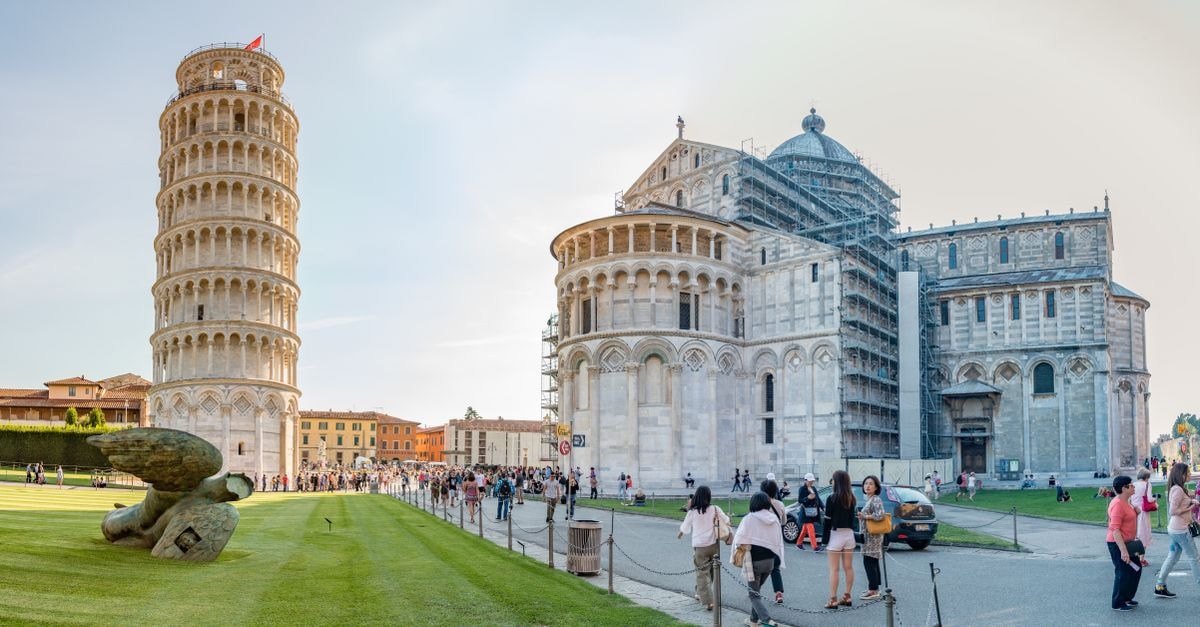
Pisa arrives gently on the senses, the way a small Italian university city often does: church bells layered over scooter chatter, the silvery flat of the Arno river sliding past stone embankments, and the soft hush of pedestrians drifting between medieval streets. Long before the leaning tower became a global shorthand for playful photographs, Pisa was already famous on the strength of its medieval history. The setting is humble by Tuscan standards, but the reward is in the architecture and the slow tempo, not in size.
What makes Pisa feel different from its larger Tuscan neighbors is the way its past is concentrated in a compact, walkable core. The city lives in the shadow of its own monuments, and the best way to meet them is on foot and at a human pace.
Attractions and planning
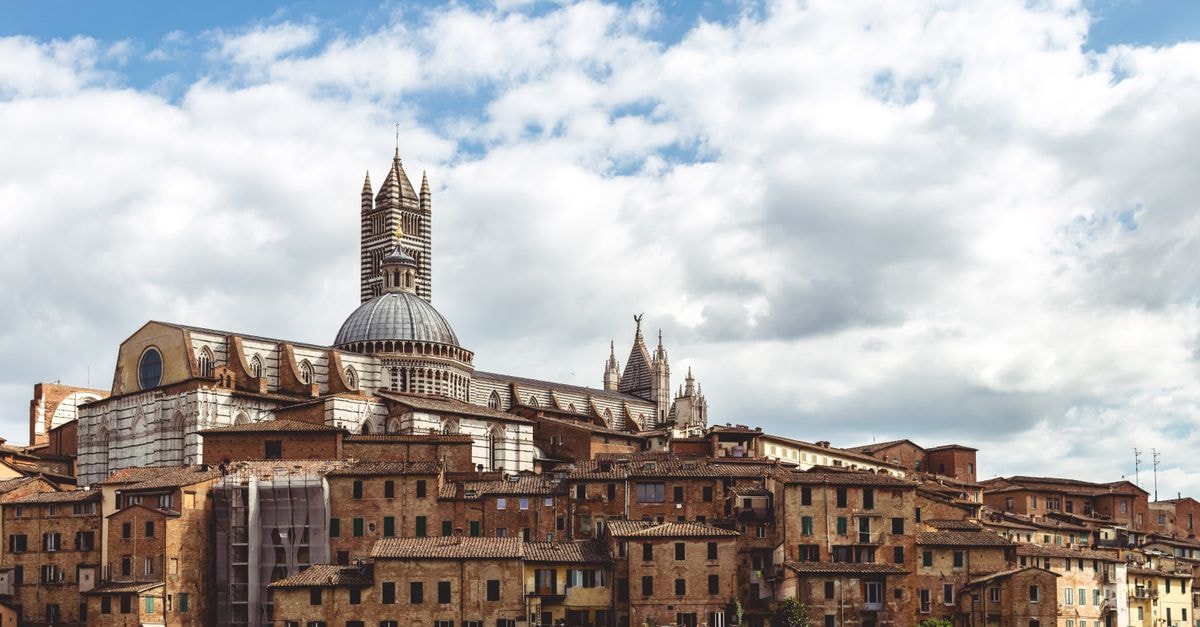
The center of Pisa rose to prominence during the era of the Maritime Republics, and the layout you walk through today still carries that weight. The city has roughly a thousand years of history, with its name tracing back to the Etruscan era and referring to the nearby "mouth" of the Arno, and the historic core is laid out as something close to an open-air museum of Romanesque and Gothic churches. There is a particular pleasure in reading Pisa this way: not as a single landmark city, but as a place where many centuries share the same squares and riverbanks.
Of course, the reason most travelers come to Pisa is the famous leaning tower, and the city receives visitors from every corner of the world each year to test perspective against the tilt. The experience is best approached without a packed agenda: a slow loop around the cathedral square, time to study the Baptistery and the Camposanto, and a pause for the contrast between white marble and wide Tuscan sky. If you prefer a thoughtful, unhurried look rather than a quick photo stop, Pisa rewards that patience with a much richer sense of place.
Getting around
Pisa is small enough that the question is less how to get around than how slowly to do it. The historic streets are best enjoyed on foot, but city transport information for visitors is published officially by the municipality, and what the published materials document is only a fragment of opening hours for services in the city, with a partial excerpt from November to February reading "every day 10." Because the available evidence is incomplete, any quoted time should be treated as a fragment rather than a full schedule, and the complete hours for the relevant service should be confirmed directly with the local transport authority before relying on them for a tight arrival or departure plan.
For most travelers, the simplest approach is to walk to the cathedral square and use public transport sparingly for longer cross-city trips or airport connections. Pisa also sits within easy reach of the rail network that threads Tuscany together, which makes it a natural base for travelers who want to use the city as a quieter, slower-paced anchor while still exploring the wider region.
Choosing what fits the way you travel
Pisa suits travelers who like to read a place slowly rather than race through a checklist. The compact historic core rewards visitors who want to balance one headline attraction with neighborhood walks along the Arno, slow coffee stops between churches, and the texture of a university town that has been shaped by centuries of study and maritime ambition. If you prefer to keep your plans loose, Pisa fits that style well because the main sights cluster close together and you can drift between them without forcing a tight schedule.
Travelers who want to reduce stair climbing or who simply enjoy panoramic vantage points may find that Pisa offers a gentler pacing than many Tuscan hill towns. The historic core is famously flat, and the most rewarding views come from looking up rather than climbing up. Those who like to combine several smaller experiences with one iconic moment rather than a strict monument-by-monument plan may appreciate how Pisa lays itself out.
Because the published opening-hours information for the city's services is only available as a partial excerpt, visitors who are arriving early in the morning or leaving late should confirm local service hours in advance with the transport authority rather than rely on the documented fragment. Travelers who prefer to keep their time strictly to the historic core can rely on walking almost entirely, while those who want wider regional access may want to plan their rail or intercity connections in advance, since Pisa's appeal is both a destination and a doorway.
A note before you go
Pisa's setting, transport hours, and attractions can all evolve between one visit and the next, and any timetable, ticket arrangement, or seasonal service listed publicly should be confirmed before departure. Official channels for Pisa tourism and city transport are the most reliable sources for current opening hours, ticket information, and any temporary changes to services. Factual travel conditions may shift, so a quick confirmation closer to your trip is always wise.
Currency and exchange rates are also worth checking on the day you travel; published rates are reference points rather than guarantees. Treat the guidance above as a starting frame, then cross-check the details that matter most for your own schedule.
Share this article
TOOLS FOR THIS PLAN
Make the Pisa plan measurable
Choose a tool only when it answers the next question in your trip. Your values stay in the browser, and each tool offers a route back to this planning context.