A First Look at Sinuiju

There is something quietly magnetic about a frontier city, and Sinuiju carries that feeling easily. Sitting in the north-western corner of the Korean peninsula, the city faces China across the Yalu River, and that single geographical fact shapes almost every impression a visitor takes away. The river is the line that connects and separates at the same time, a wide ribbon of water that turns everyday streets into something with a view.
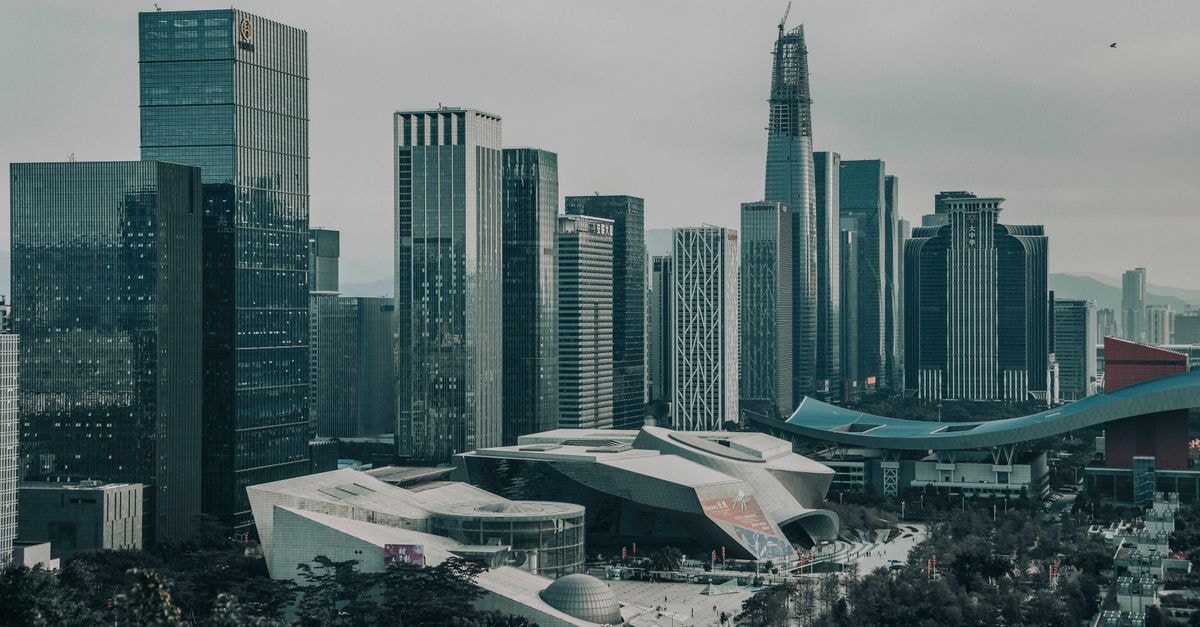
What strikes first-time viewers is the city's modest skyline. Low-rise apartment blocks line the main arteries, painted in warm ochre tones that catch the late-afternoon light. Trams rattle along Tongil Street, the sound mixing with everyday voices, footsteps, and the hum of river breeze. The rhythm feels unhurried, even a touch cinematic, and that atmosphere alone tends to stay with travellers long after the trip ends.
Weather and Seasonal Context
Sinuiju experiences a clearly continental climate, which means that the temperature difference between summer and winter is something visitors feel rather than simply read about. The city is described as having hot summers and very cold winters, and that contrast is worth understanding before any trip is planned.
For a visitor, the practical implication is the kind of wardrobe flexibility that travellers quickly learn to appreciate. Layers matter. Light cottons work well during the warmer stretch, while serious outerwear becomes the smart choice once the colder months arrive. Because the climate shifts noticeably through the year, packing should always reflect the season of travel rather than a fixed assumption.
Local climate tables focus on feels-like temperatures, which is the number that decides whether a riverside stroll feels pleasant or bracing. Visitors who are sensitive to sharp temperature swings may want to plan more relaxed outdoor windows during the warmer parts of the day, while those who enjoy crisp, cold-air photography may find the winter light especially rewarding. Neither season is wrong; they simply offer different versions of the city.
Cross-Border Character and Heritage
The Yalu River is not just a backdrop in Sinuiju. It is part of the identity. Because the city sits at the meeting point of two distinct cultural spheres, its local heritage has absorbed influences from both sides of the border. That dual inheritance shows up in everyday details, from architectural style to food traditions, and it gives the city a texture that purely inland destinations rarely have.
Travellers with an interest in cultural layering often enjoy places like this precisely because the influence is felt rather than announced. Walking through a neighbourhood, you can sense that Sinuiju has long been a place where ideas, ingredients, and building techniques have travelled back and forth. The result is a city that feels both rooted and connected, with a heritage worth a slow look rather than a rushed checklist. For those who enjoy tracing how geography shapes local identity, the riverside setting alone offers plenty to think about.
Attractions and Planning
A traveller's first impression of Sinuiju tends to come from its streets rather than from any single landmark. Tongil Street, the main artery, sets the tone. Ochre flats rise along its length, the trams pass with a familiar metallic rhythm, and the river sits just a few blocks away. That combination is, for many visitors, the attraction itself: a chance to see how a frontier city breathes between its everyday routines and its wider context.
Planning a visit here is less about chasing a list of named sights and more about reading the city as a whole. Photography enthusiasts may want to keep a camera ready for the river-facing stretches, where the light often shifts quickly. Visitors interested in architecture will notice how the low-rise scale keeps the skyline open, allowing the surrounding landscape to remain part of the view. Those who enjoy street-level observation, watching trams arrive, neighbours greeting one another, and small shops open their doors, will find plenty of material in just a few blocks.
Because Sinuiju is a city best understood through its setting rather than through a packed sightseeing schedule, pacing matters. Visitors who prefer to wander, sit at a waterside vantage, and absorb the cross-border atmosphere may find the experience more rewarding than those looking for a dense itinerary. There is no single must-see stop here, only a city that rewards attention.
Choosing What Fits the Trip
A few tradeoffs are worth weighing before setting out. Travellers who enjoy continental climate contrasts may appreciate that Sinuiju offers both warm and cold seasons, each giving the city a different personality. Those who dislike extreme temperature swings may want to think carefully about when they travel, since the difference between summer and winter is real rather than theoretical. Visitors drawn to cultural crossover may find the riverside heritage especially rewarding, while those who prefer destinations with dense, walkable sightseeing lists may want to adjust expectations and focus on atmosphere rather than volume. In every case, the city's geography, the Yalu as both border and bridge, is the thread that ties the experience together.
A Note Before You Go
Factual details about travel conditions, access, and local services can change, and any plan built around this guide should be checked against official channels before departure. Treat the descriptions here as a starting frame for understanding the city, and confirm practical details close to the time of travel.
Share this article
TOOLS FOR THIS PLAN
Make the Sinuiju plan measurable
Choose a tool only when it answers the next question in your trip. Your values stay in the browser, and each tool offers a route back to this planning context.