Arriving and finding your bearings

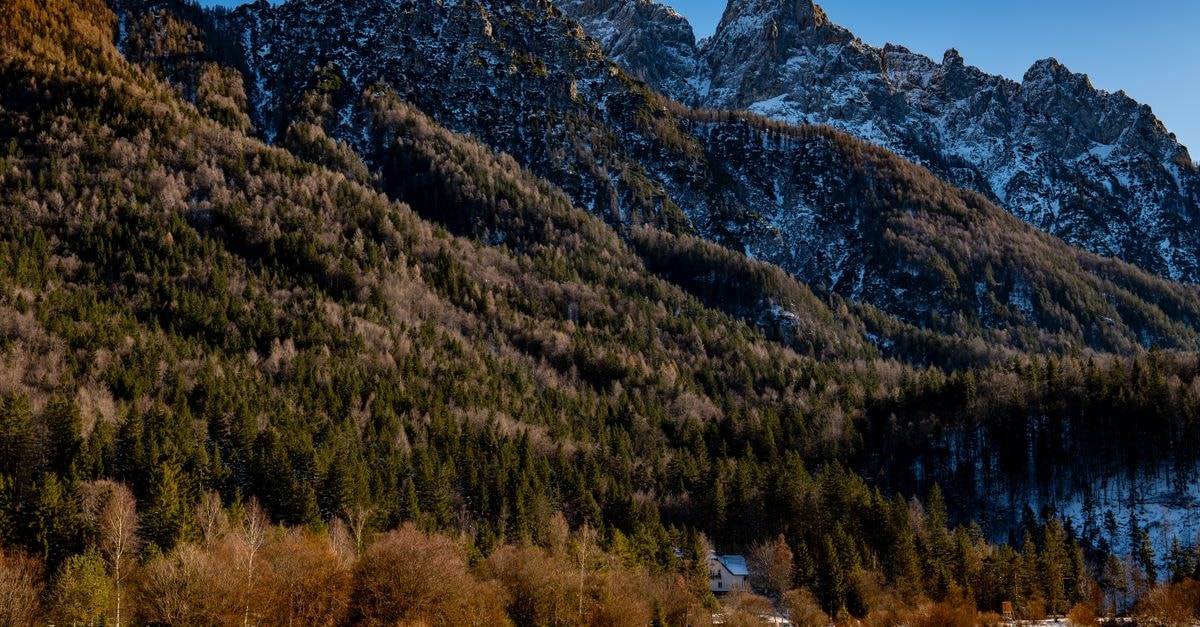
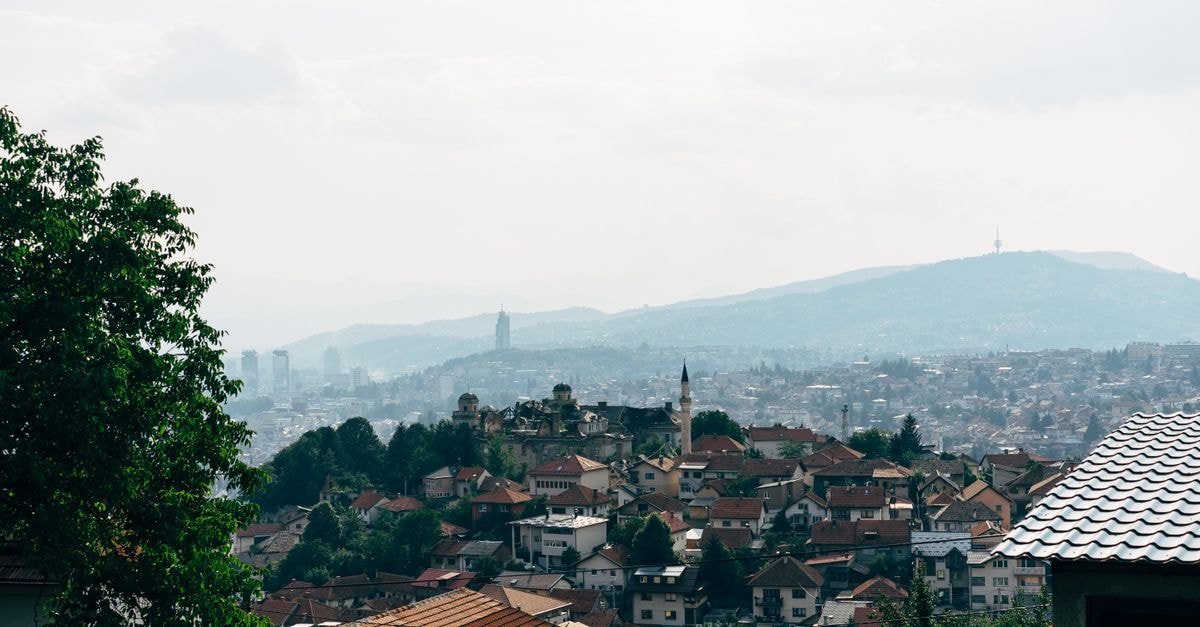
Škofja Loka sits in the northwest of Slovenia, where the southern edge of the Alps meets the fertile Sorica fields, a setting that gives the town its distinctive blend of mountain light and lowland greenery (F3-1). Because the area lies at this crossroads, the journey in often combines pastoral approaches with a final stretch framed by alpine foothills, which makes even the arrival feel like part of the visit.
Castles, walls and old-town atmosphere
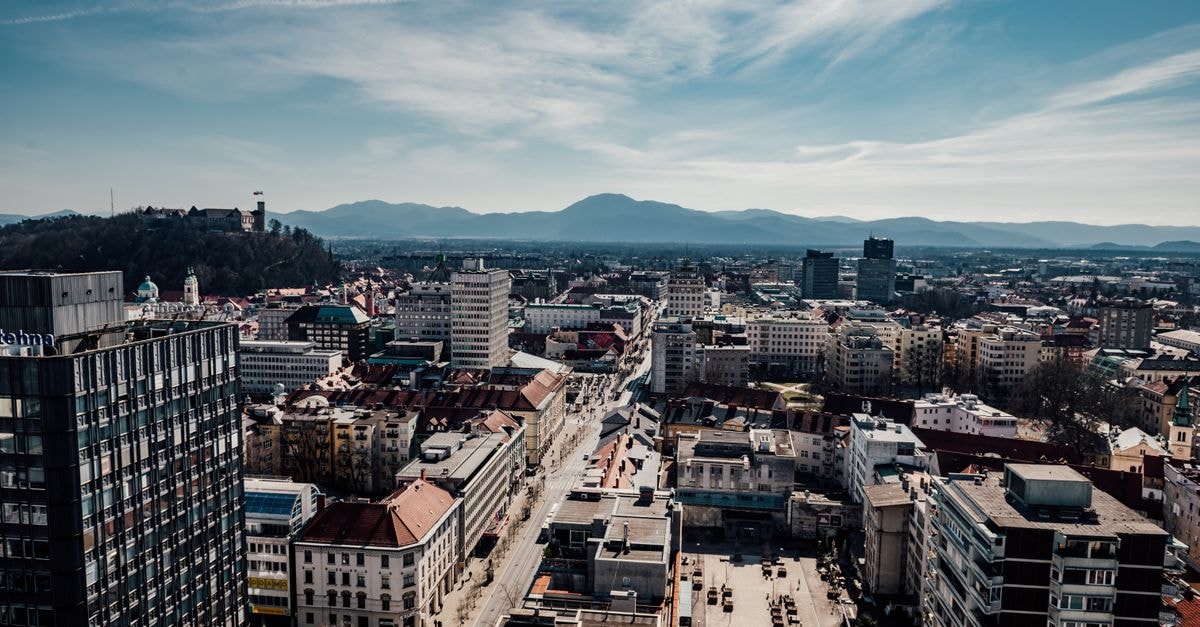
The Škofja Loka area is dotted with numerous castles and mansions (F1-1). That detail matters because it shifts the visit away from a single monument and toward a regional landscape: the castle above the town is the obvious anchor, but smaller manor houses and fortified residences in the surrounding area give the place an unusually rich built heritage for a town of its size. Travelers who enjoy pairing one main sight with a handful of smaller, lesser-known stops may find that Škofja Loka rewards a slightly longer stay than a quick photo stop.
The medieval walls add a second layer of interest (F2-1). Rather than reading as a ruin, they tend to shape how a visitor moves through the town, guiding the eye along the perimeter and framing the central castle as the visual climax. Walking the line of the walls, even partially, gives a useful sense of the town's footprint and helps orient the rest of the visit.
Artisans, creativity and a town that rewards looking
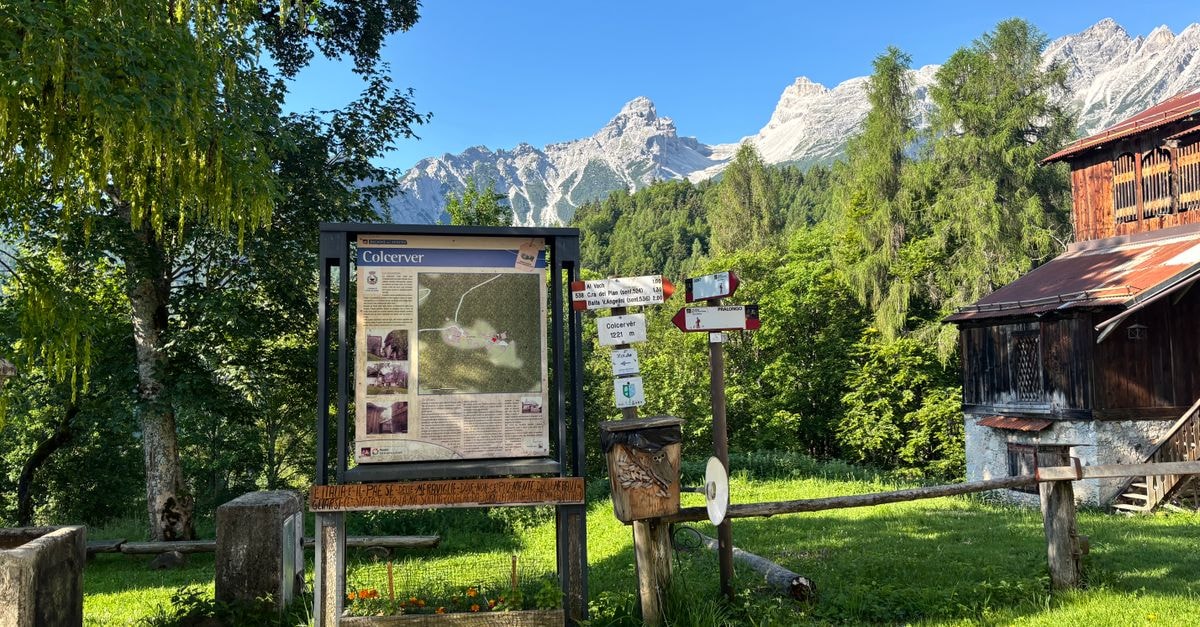
For centuries, inspiration from nature has encouraged the creativity of artists and craftsmen in the Loka area (F5-1). This is the kind of detail that turns a stopover into a slower visit: the surrounding landscape is not just a backdrop but a documented source of artistic output, and that heritage is woven into the town itself.
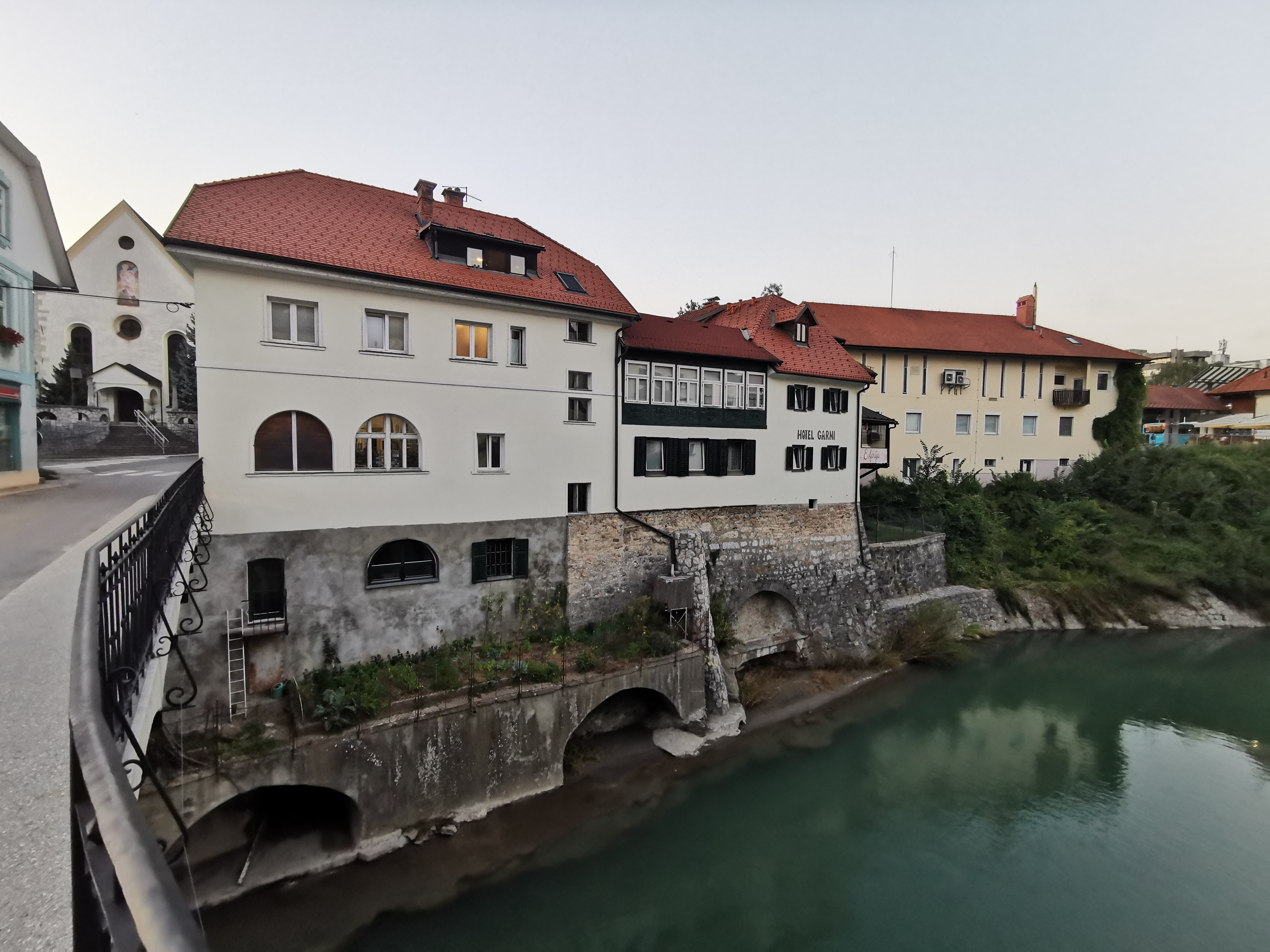
Walking through Škofja Loka, culture and craft heritage seem to appear at every turn, with colorful murals on facades, distinctive wrought-iron shop signs at street corners, and fine old carvings on heavy wooden doors (F6-1). Together, those small visual elements give the old centre a layered, lived-in quality. Visitors who prefer places where detail rewards a second look over a checklist of headline sights will likely find this aspect of the town especially satisfying; consider slowing the pace in the older streets so the craftsmanship on doors and signage can register rather than blur past.
Because the artisan story is area-wide rather than confined to a single museum, travelers interested in craft traditions may want to leave room in the day for browsing the small shops rather than treating the visit as a single-site stop.
Picking what fits your trip
A few tradeoffs may help match the town to your travel style. Because the heritage is spread across castles, walls and small artisan details rather than concentrated in one blockbuster sight, travelers who enjoy variety over depth may want to allow more time than a typical medieval-town stop, while those who prefer a single anchor experience can center the day on the central castle and walls and treat the rest as a gentle wander (F1-1, F2-1, F6-1). The compact old centre means a short visit is genuinely possible, yet the area-wide craft tradition rewards unhurried browsing (F5-1, F6-1).
A note before you go
Škofja Loka's medieval core, castle and old town walls are durable features of the visit, but practical details such as transport timetables, museum and castle opening hours, and seasonal events change over time. Check official Slovenian tourism channels and the Visit Škofja Loka resources before you travel so that opening times, any ticketed entries and current local conditions match your plans on the day.
Prices, opening hours, schedules, reservation rules, and local conditions can change; verify them through official channels before departure.
Share this article
TOOLS FOR THIS PLAN
Make the Škofja Loka plan measurable
Choose a tool only when it answers the next question in your trip. Your values stay in the browser, and each tool offers a route back to this planning context.