A small town that breathes with the mountains

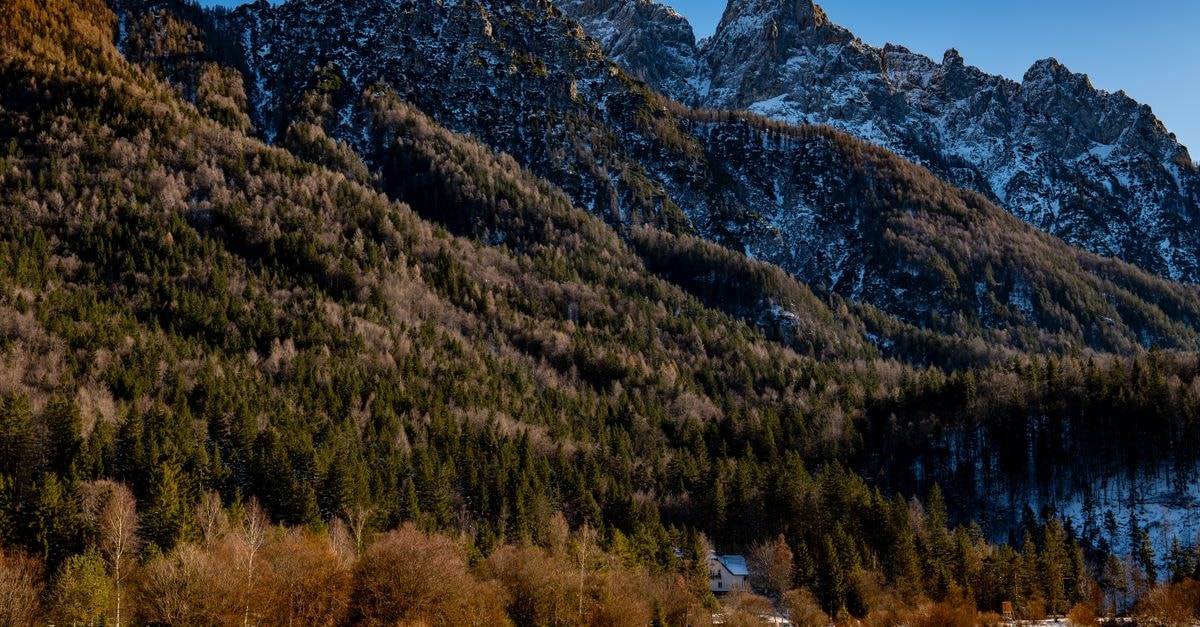
Kamnik sits at the foot of the Kamnik-Savinja Alps, a small Slovenian town that feels unhurried even when its medieval core is busy. The setting is what draws people in first: a low-rise old town tucked against alpine slopes, where the day starts with a quiet coffee and ends with the mountains turning pink. Visitors who like slower places, walking over ticking off landmarks, and using a town as a base for green landscapes tend to feel right at home here. The pace is gentle, the streets are short, and the alpine backdrop is rarely out of sight.
Weather and seasonal context
Kamnik has a temperate Alpine climate, so conditions can shift between warm midday sun and cooler mountain air within the same walk. A general long-term picture for early autumn shows average highs near 21°C and average lows around 12°C, with about 158 mm of rainfall spread over roughly 12 wet days and limited sunshine hours, which suggests layering and a compact umbrella are sensible everyday choices. Rain can arrive quickly over the Alps, so a light shell tends to earn its space in a daypack more often than a heavy coat.
If you are planning a day in the town, a trip toward Velika Planina, or a hike in the surrounding peaks, checking the weather beforehand is a habit locals quietly insist on, since mountain forecasts and valley forecasts are not always the same story. Travelers who prefer warmer, longer outdoor days may find the shoulder seasons gentler than deep winter, while visitors who love crisp air and quieter trails may welcome the cooler end of the range. Either way, building in a slower midday break and keeping plans flexible around the forecast tends to suit the rhythm of the valley.
Getting around and on foot
The town itself is genuinely walkable, and the most rewarding approach is on foot. Šutna, the main pedestrian street, lines up burgher facades, old shop signs and traditional workshops all the way to the foot of the Mali grad rock, which makes the route from the center to the castle hill feel like a continuous stroll rather than a trek. Comfortable shoes matter more than a fitness plan, because the streets are short but the surfaces are old and the slopes toward the castle spur add a gentle climb.
For travelers who prefer context with their cobblestones, guided tours in and around Kamnik let visitors stroll through the medieval streets with experienced local guides, hear the stories and legends, and see the hidden corners that are easy to miss when exploring alone. These tours also focus on the town's rich architectural legacy, so visitors who enjoy learning the backstory of buildings and streets rather than just photographing them may find this a particularly rewarding way to spend a morning.
Beyond the town center, the Kamniška Bistrica Valley offers a green escape from any urban feeling, a place to move away from the bustle and into the landscape. Independent travelers who like to mix a town morning with an easy nature afternoon may want to plan their day loosely around that rhythm, anchoring time in the old town and leaving the valley open for whenever energy and weather align.
Attractions and planning
The most recognizable landmark is Mali grad, the small castle rock that rises above the old town and appears on the town's coat of arms. Its most distinctive feature is a rare two-storey Romanesque chapel perched on the spur, a detail that tends to surprise visitors expecting a more typical ruined fortress. Mali grad is also wrapped in legend, most famously the story of Countess Veronika, depicted as half woman and half snake, who is said to guard her treasure beneath the rock. Standing at the base and looking up, the chapel and the spur above it feel less like a castle and more like a small stone village balanced on a hill, which is part of what makes it memorable.
Travelers who like to pair sightseeing with a bit of storytelling may want to consider a guided walk before exploring on their own, since the guides tend to point out architectural details that are easy to walk past without context. Those who prefer a more self-directed day, with a guidebook and a camera, will still find the medieval core compact enough to cover comfortably in an unhurried afternoon.
Food and local context
Slovenia as a whole has built a quiet reputation around cuisine that leans on seasonal and local ingredients, with outdoor meals and a general sense of health and well-being woven into the everyday food culture that visitors may encounter while in Kamnik. This wider national context tends to shape what shows up on menus around the country, including in alpine towns like this one, where kitchens work close to farms and the rhythm of the seasons.
In practice, this means meals often feel connected to the landscape around them, and the line between a casual lunch and a regional tasting can blur pleasantly. Travelers who care about provenance and seasonality may want to ask about local sourcing when choosing a place to eat, since small kitchens in towns like this are often happy to talk about where their ingredients come from. Visitors who simply want a relaxed meal after a day of walking will generally find that the food culture here rewards unhurried dining rather than fast stops.
Choosing what fits the trip
Kamnik tends to suit travelers who like a slow base, a short list of landmarks, and easy access to green landscapes, rather than visitors looking for a packed itinerary or a busy resort atmosphere. A morning in the medieval core and an afternoon in the Kamniška Bistrica Valley is a natural shape for the day, especially for those who enjoy pairing culture with nature without long transfers. Visitors who prefer urban energy, late-night dining, or a long list of indoor museums may want to balance a stay here with time in Ljubljana. Those who travel primarily for hiking, photography, or quiet storytelling are likely to find the town feels just right on its own.
Before you go
Mountain weather in the Kamnik-Savinja Alps can differ from conditions in the valley below, so a quick forecast check before any outdoor plans is a small habit that pays off. Because town events occasionally change traffic in the center, confirming current notices before driving in can save a wasted loop around closed streets. Local tourism channels can answer the most current questions on closures, guided tour availability, and any seasonal changes that may affect a visit.
Prices, opening hours, schedules, reservation rules, and local conditions can change; verify them through official channels before departure.
Share this article
TOOLS FOR THIS PLAN
Make the Kamnik plan measurable
Choose a tool only when it answers the next question in your trip. Your values stay in the browser, and each tool offers a route back to this planning context.