A first impression of Sokodé

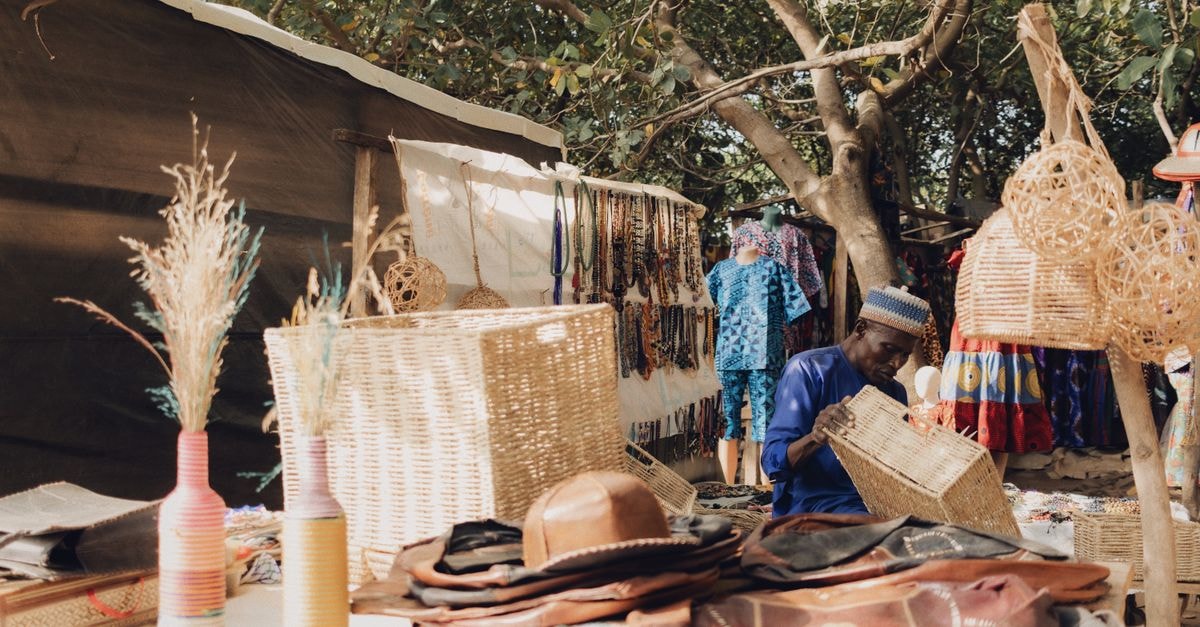
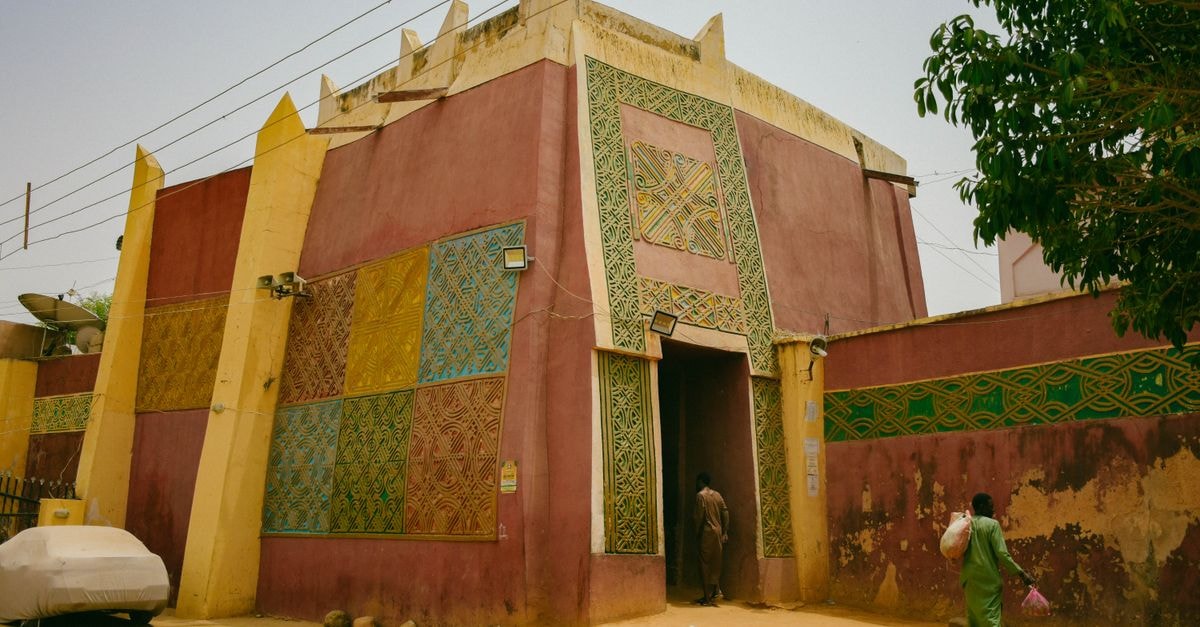
Sokodé sits in the heart of Togo and carries the steady energy of a city that has long served as a crossroads in the country's central region. After Togo gained independence from France in 1960, Sokodé continued to develop as one of the country's major cities, and that sense of growth is still part of how the place feels today. Visitors arriving for the first time tend to notice the balance between everyday Togolese life and the landmarks that shape the skyline, with the minaret of the Grand Mosque rising above the surrounding neighborhoods.
If you are the kind of traveler who enjoys cities where local rhythm matters more than a packed checklist of sights, Sokodé offers space to slow down. The city is a working Togolese center rather than a polished tourist stop, and a useful Sokodé travel guide helps you read that pace before you arrive. This overview focuses on the two things most travelers will actually rely on: the seasonal backdrop of the city and how to plan the route in and out.
Weather and seasonal context
Sokodé lies in central Togo, where the climate has a tropical feel for much of the year, with a wet season and a drier stretch that many visitors find more comfortable for walking between neighborhoods. Because this is an evergreen guide rather than a date-specific forecast, the most honest framing is to think in terms of how the climate shapes a day in the city rather than what a particular calendar window will feel like.
During the wetter part of the year, afternoons can bring heavy showers and the air can feel humid for stretches of the day. The streets around the central mosque and other landmarks can be quieter under steady rain, and outdoor plans may shift to short stops rather than long walks. In the drier stretch, daylight hours feel brighter and more forgiving, and it is easier to spend time outdoors without planning around sudden downpours.
Travelers who dislike walking long distances in sticky heat may want to plan their city time for the cooler parts of the day, regardless of season. Mornings tend to feel gentler than the middle of the day, and a slow approach to Sokodé, with time to rest between stops, suits a city whose rhythm is unhurried by design. Packing a light layer and a small umbrella is sensible in either season, simply because central Togo weather can shift quickly.
Getting around
Sokodé is positioned along a central route through Togo, and most visitors arrive from elsewhere in the country rather than fly directly in. A practical Sokodé travel guide treats the journey to the city as part of the experience, because the road in is one of the clearest ways to feel the transition from the coast or the north into the central region.
For travelers researching Sokodé travel essentials for central Togo, the standard reference point for route planning is the Way4 platform, which is presented as the official voyage service. It is the kind of resource that Togolese travelers and visitors use to check fares, departure options, and schedules for the central corridor, and it tends to be a reliable first stop before booking a seat. Treat any fare you see as a starting reference and confirm the current price at the time of travel, since road transport rates can move.
Before you travel, the TG portal is the reference point for digital travel formalities, which matters for anyone crossing into or out of Togo through official channels. Checking the portal in advance lets you confirm identification requirements, any digital steps you may need to complete, and the latest updates before you set off. Combining the TG portal for formalities and Way4 for journey planning gives a clear framework for the route itself.
Once you are in Sokodé, the Grand Mosque is one of the most recognizable anchors for getting your bearings, both geographically and visually. Its tall minaret marks the skyline and helps orient you as you move between nearby areas on foot or by local transport. Travelers who like a clear visual landmark to navigate by may find it useful to keep the mosque's minaret in view during the first day or two of exploring.
Choosing what fits your Sokodé trip
Because Sokodé rewards a slower, more curious approach, the best fit is usually a traveler who enjoys reading a city rather than racing through it. If you prefer well-marked attractions with full visitor infrastructure, you may want to balance Sokodé with a stop in Lomé or another Togolese city with a denser tourism setup, and treat Sokodé as a meaningful central pause rather than a single-day stop. Travelers who like observing daily life, regional markets, and the lived landscape of central Togo will find Sokodé rewarding on its own terms, especially when paired with a relaxed pace. For route planning, consider using the TG portal for formalities first and Way4 for the actual booking, which keeps the process straightforward and avoids last-minute surprises.
A note before you go
Practical travel conditions in Togo can change, and fare details, formalities, and road schedules should always be reconfirmed close to your departure date through the official channels referenced above. Rates shown on journey planning sites are a reference point, not a guarantee, and it is wise to check the live price when you book. Treat the Grand Mosque and central landmarks with the same respect you would give any active place of worship, dressing modestly and visiting outside prayer times when possible.
This Sokodé travel guide is meant to give you a grounded starting point for the central Togo route. With the basics of weather, the central corridor, and the city's most visible landmark in hand, you can arrive with a clearer sense of what to expect and how to plan the rest of your time.
Share this article
TOOLS FOR THIS PLAN
Make the Sokodé plan measurable
Choose a tool only when it answers the next question in your trip. Your values stay in the browser, and each tool offers a route back to this planning context.