Setting the scene

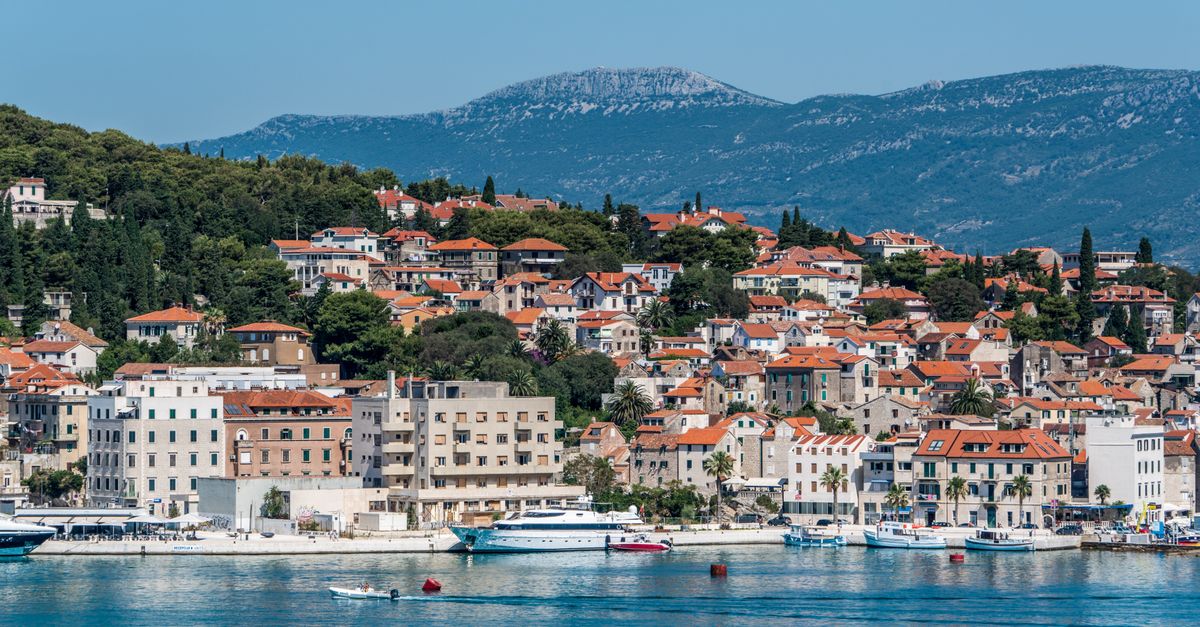
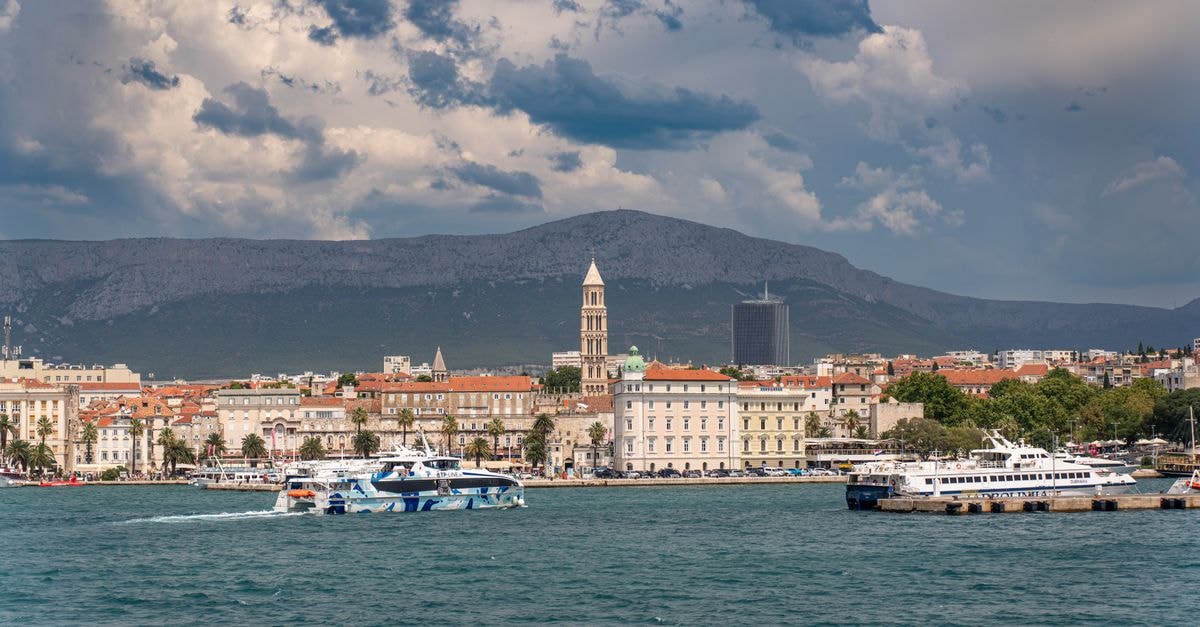
There is something quietly thrilling about arriving in Split and realizing that the city does not ask you to hurry. The old town unfolds inside the white stone walls of Diocletian's Palace, and once you step through those gates, the rhythm of your day tends to slow on its own. A short walk carries you from Roman peristyles to harborside benches, and the city rewards curiosity rather than a checklist.
This guide is shaped for the kind of traveler who prefers to wander with intention — the reader who wants to know how the city moves, how money works on a daily level, and what to expect from the rhythm of the place before planning a single dinner. The emphasis is on practical footing: weather context that helps you pace your day, and the small transport and money details that make a Split visit feel easy from the first morning.
Weather and seasonal context
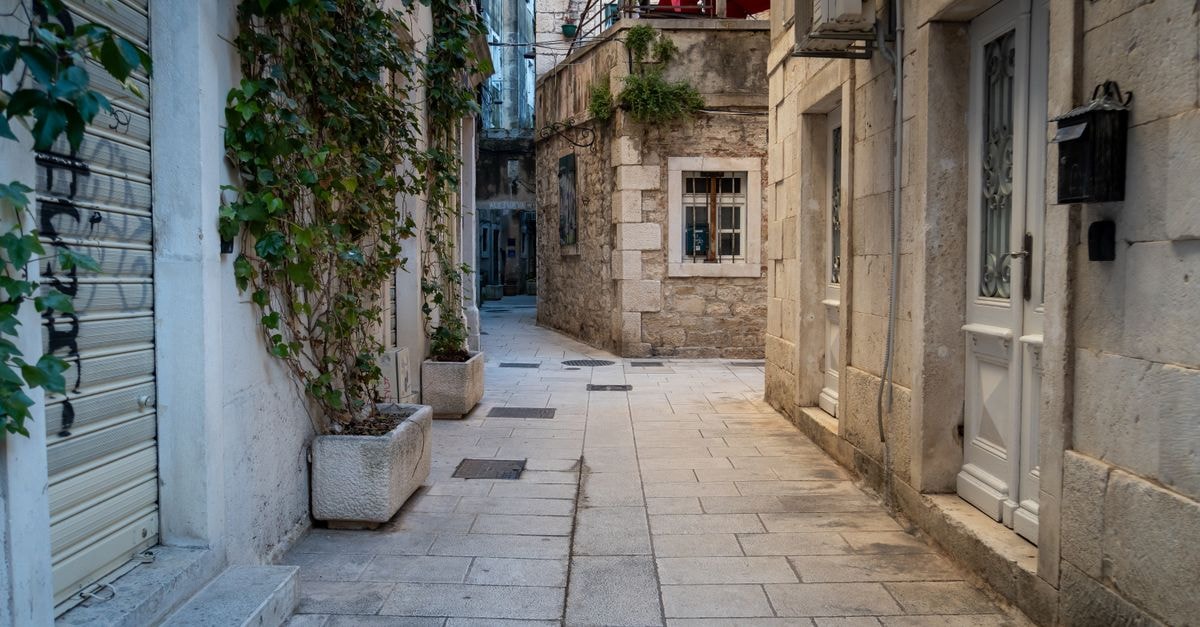
Croatia's Adriatic coast has a Mediterranean character, and Split sits at its sunniest, most exposed edge. The old town is famously compact: the core of Diocletian's Palace and the surrounding lanes are small enough that you can read the city on foot in a single unhurried day. That compactness changes how weather affects a visit, because shade and sun are never far apart, and you can choose where you linger.
Climate context, drawn from wider Mediterranean patterns that shape this stretch of the Dalmatian coast, suggests the year tends to divide into warm, dry stretches and cooler, wetter windows. Coastal summers can feel long and bright, while shoulder seasons shift toward softer light, cooler evenings, and a quieter pace at the cafés. Spring and late-season visits often feel gentler for travelers who would rather explore alleyways than cool off on a beach, while high summer can feel more demanding on the body if you are not used to long hours of strong Adriatic sun.
Practical pacing matters more than any single forecast. Within the old town itself, the small footprint means you can step out of direct sunlight in moments, duck into a museum or shaded courtyard, and return to a waterfront breeze when the heat feels heavy. Layered clothing tends to be more useful than a single warm-weather outfit, because coastal evenings — even after warm days — can cool down faster than visitors expect.
A few evergreen habits serve any traveler well: walking the lanes early or late, letting the middle of the day belong to a long lunch or a museum visit, and carrying water. If you prefer to explore in cooler temperatures with fewer crowds, planning around the shoulder windows of the Mediterranean calendar may suit you. If you want long golden evenings on the riva, the warmer stretches of the year are more your style. Either way, the city's compact layout keeps the weather from dictating your itinerary.
Getting around and paying your way
Split is, at its core, a walking city. The old town itself is tiny and walkable; you won't need more than a day to see its core, and most visitors move entirely on foot once they arrive. That makes getting around refreshingly simple. There is no need to learn a transit map to enjoy the heart of the city, and a leisurely pace often reveals more than any scheduled route.
Money is straightforward too. Croatia uses the euro, having transitioned away from the kuna as the national currency. Old kuna banknotes from the end of 2025 remain exchangeable indefinitely, but in daily life you shouldn't encounter kuna in circulation. Practically speaking, you can arrive expecting to handle everything in euros.
Cards are widely accepted across the city, from larger restaurants and hotels to most shops in the central lanes. That said, it is still wise to carry a little money for smaller, more traditional spots. Some family-run konobas and market-stall vendors may prefer or only accept cash, and having a few notes on hand keeps the day moving without a detour to an ATM. A small mix of card and currency is the most comfortable setup.
If you are mapping out your day, think in terms of walking plus the occasional taxi or rideshare for longer hops, such as reaching the larger beaches outside the palace walls or the bus station for arrivals and departures. Inside the historic core, comfortable shoes and a sense of direction are more useful than any transport pass.
Choosing what fits your Split trip
A few supported tradeoffs can help shape the kind of visit that suits you. Travelers who love slow mornings, harbor-view cafés, and reading a city through its streets will find Split unusually generous — the compact core rewards unhurried wandering, and the layout means a single well-paced day can carry the weight of a much longer stay. Those who prefer to anchor a trip in one or two rituals — a long lunch in a stone-paved lane, a sunset walk along the riva, a morning spent entirely inside the palace walls — may find that a short stay feels satisfying rather than rushed.
If you tend to prefer carrying less, the city's card-friendly culture removes some of the usual friction of European travel. If you tend to prefer supporting smaller, traditional spots, keeping cash on hand for konobas and market vendors keeps those experiences easy. And if you prefer to plan loosely rather than tightly, the walkable center means you can let the day reshape itself without losing time to logistics.
The shape of the trip, in other words, belongs to you. Split simply offers the setting.
A quick practical note
Rates between the euro and your card's home currency fluctuate, so any mental conversion is only a reference point — check the live rate before you travel. Day-to-day conditions can shift too: weather patterns, opening times, and payment habits evolve. For the freshest details on currency, transport, and any timed entries, official channels and up-to-date local sources are worth a quick check before departure.
A small verification question worth asking before you arrive: whether the specific small konoba or market stall you hope to visit prefers cash or card — the answer varies, and asking in advance spares you the awkward moment of an empty wallet at a stone counter.
Exchange rates shown are for reference only; check the current live exchange rate before departure.
Share this article
TOOLS FOR THIS PLAN
Make the Split plan measurable
Choose a tool only when it answers the next question in your trip. Your values stay in the browser, and each tool offers a route back to this planning context.