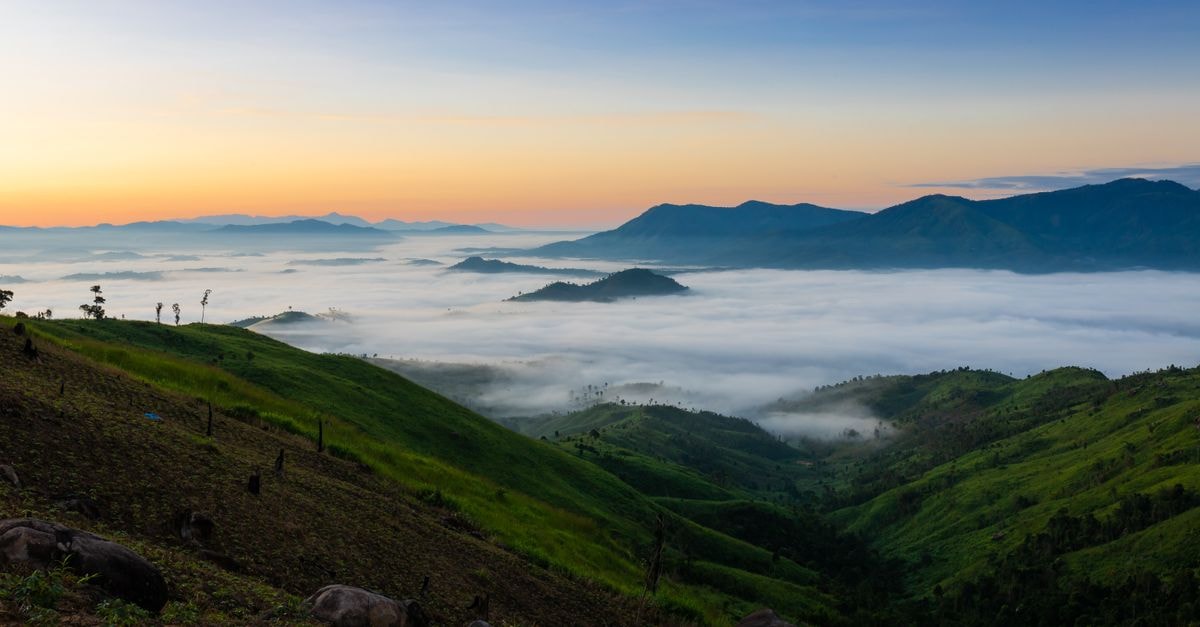
Weather and seasonal context

Suai sits in a tropical lowland, and the climate shapes how a day here tends to feel. Reported conditions describe temperatures near 28°C (82°F) with light air movement and a moderate humidity reading around 58%. Even without a clear-sky reading, that combination suggests warm, muggy hours that ease a little as evening arrives.
Because the area falls within the tropical wet-and-dry belt, rain tends to arrive in sudden, generous showers rather than long grey afternoons. If you prefer to keep your plans flexible, consider building some of your day around covered spaces during the heavier bursts, then returning outside once the air clears. The showers often pass quickly, and the light afterwards can be particularly beautiful along the coast. Pack a light layer for air-conditioned rooms, and expect to want water and shade more than a jacket.
Getting around
Suai is small enough to navigate on foot for most of the day, especially around the town center and the market. For the wider municipality and the southern coastline, a bit of planning helps.
Most international travelers arrive through Presidente Nicolau Lobato International Airport in Dili, which is described as the main international entry point for reaching Suai. The onward leg then continues either by occasional domestic flights into the area or by road, with the overland option usually handled by minibuses for budget travel or by private hires for a faster, more comfortable transfer.
Suai also has its own local airstrip, Suai Airport, which sits in the broader airport network serving southern Timor-Leste. Flight schedules to small airfields like this can change without much notice, so travelers using the domestic option should treat any timetable as something to reconfirm close to departure. For road arrivals and departures, the same advice applies: ask locally about the current state of the route and the latest departure times before setting out, because coastal and mountain sections of the south can be affected by weather.
Attractions and planning
The coastline is one of Suai's quietest pleasures. Suai's coastal position grants access to some picturesque beaches, which are often quiet and undisturbed. That description captures the feel well: rather than a resort strip, the south coast here offers stretches where the main sound is the surf and the horizon is empty. Travelers who prefer their beach time away from crowds, or who enjoy a long walk along firm sand at the start or end of the day, may find this side of Suai especially appealing.
The second anchor of any visit is the town's recent history. Suai has gained historical importance due to the tragic events during the Indonesian occupation and the 1999 independence referendum, which resulted in violence and destruction. The Suai Loro church is the most visited site connected to that past, both as a working place of worship and as a memorial to the 1999 massacre. Visiting the church and pausing at the memorial offers a chance to understand something of what the community has carried, and to do so with the respect such places deserve. Travelers who like their trips to include reflective, historically grounded stops may find this one of the more meaningful parts of a stay in Cova Lima.
Food and local context
Food in Suai begins at the market. Suai Market is a colorful and vibrant place that offers an insight into the daily lives and culinary practices of the local Timorese people. Beyond being a place to shop, food markets across Timor-Leste, including Suai Market, are central to the social and economic fabric of the community. That means a morning visit is not just about what you eat but about how the town moves: who is selling, who is greeting whom, which stalls are busiest at which hour.
Choosing what fits your trip
Suai suits travelers who are comfortable with a slower rhythm, who appreciate quiet beaches and coastal light, and who are willing to engage thoughtfully with a town that carries recent history. Because domestic flights into the area operate on an occasional schedule and timetables can shift, travelers who rely on frequent scheduled transport may want to reconfirm current flight options or build extra time around the Dili-to-Suai leg rather than assuming a daily connection. Those who enjoy pairing a reflective historical stop with long, uncrowded shoreline hours, and who are happy to let the market set the rhythm of the morning, tend to find Suai particularly rewarding.
A few practical points are worth checking before you go. Confirm the current domestic flight situation into Suai if you are not driving from Dili, ask locally about road conditions on the south coast route, and verify the opening hours and any visitor expectations at the Suai Loro church and memorial before your visit.
Travel conditions in Timor-Leste can change, and small details like transport timetables, road access, and site opening arrangements should be confirmed through official or local channels close to your travel date.
Prices, opening hours, schedules, reservation rules, and local conditions can change; verify them through official channels before departure.
Share this article
TOOLS FOR THIS PLAN
Make the Suai plan measurable
Choose a tool only when it answers the next question in your trip. Your values stay in the browser, and each tool offers a route back to this planning context.