A slow introduction to Sumbawanga

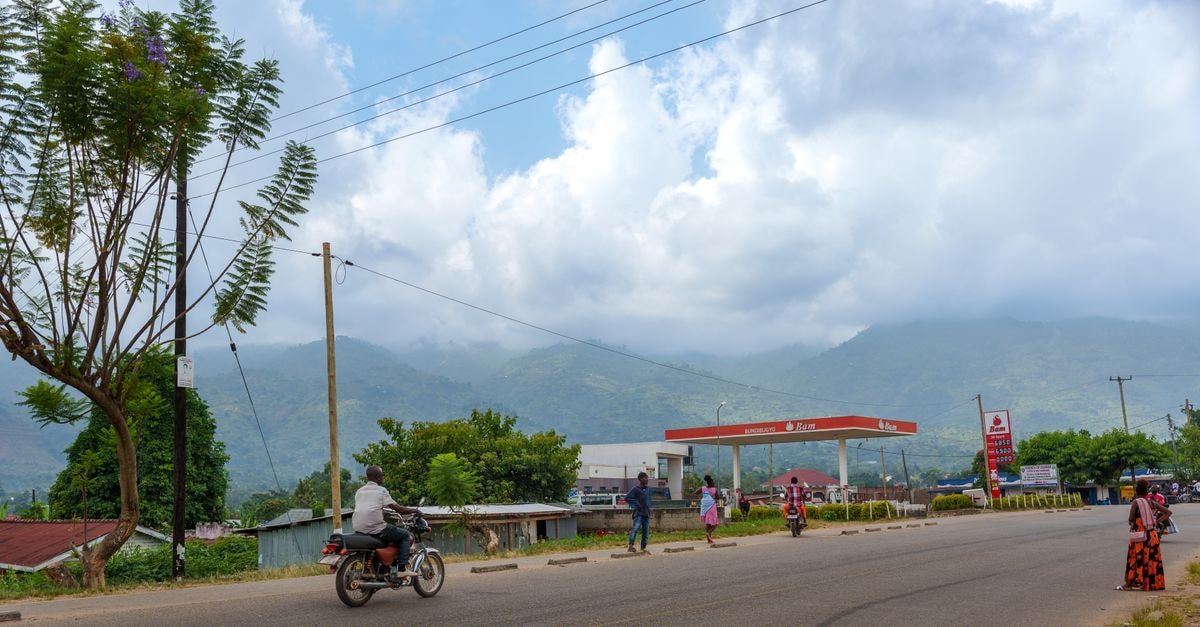
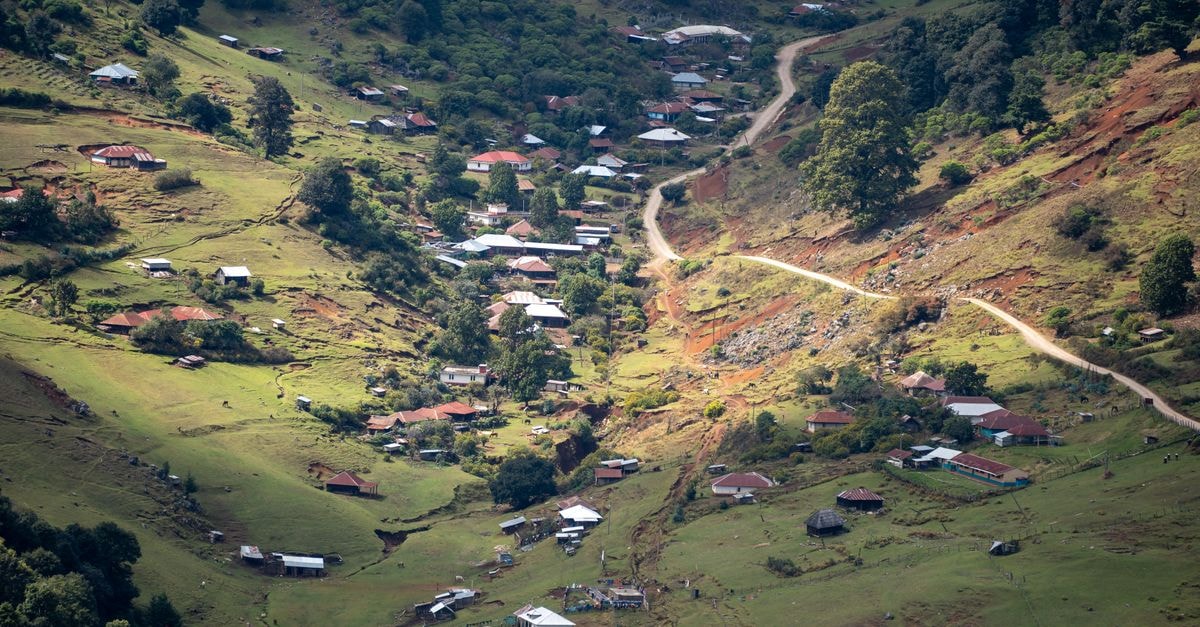
Sumbawanga sits in the western highlands of Tanzania, the main town of the Rukwa Region, and it wears its distance lightly. The town has the feel of a place where travelers arrive with curiosity rather than a checklist, drawn by regional culture, small-town hospitality, and a more grounded rhythm than Tanzania's better-known gateways. There is a particular kind of charm here in simply slowing down, watching market mornings unfold, and taking in the unhurried street life that defines a regional capital away from the main safari circuits.
This guide is written for the curious, independent traveler who wants to understand Sumbawanga on its own terms: what the climate tends to feel like, where to anchor a cultural visit, and how food culture plays into the experience of being here.
Weather and seasonal context
Sumbawanga's elevation gives it a noticeably milder climate than much of lowland Tanzania, and visitors tend to find the air comfortable rather than tropical. Average temperatures around 20°C (67°F) are typical, which means most days sit in a pleasant middle ground between warm afternoons and cool mornings and evenings.
The practical implication of that climate is simple: layers are useful. A light jacket for early mornings and a breathable shirt for the warmer part of the day will cover most situations. Because temperatures tend to hover near that average, planning around extremes is rarely necessary. Travelers who prefer mild, highland weather over coastal heat may find Sumbawanga particularly comfortable, and pacing the day around the warmer midday hours often feels natural.
Anchoring your visit at the Sumbawanga Museum
For travelers who want a single cultural anchor in Sumbawanga, the Sumbawanga Museum is the most obvious starting point. Located in the town itself, the museum reflects the history and cultural heritage of the local community, and it has the feel of a small, focused institution rather than a sprawling national museum. That scale works in its favor for visitors who like to take things in carefully, ask questions, and leave with a clearer sense of place.
Museums of this kind reward unhurried visits, and Sumbawanga Museum is best approached as a slow afternoon rather than a rushed stop. Travelers with a deeper interest in regional history may want to budget more time here, while those who simply want a meaningful cultural touchpoint can comfortably take in the highlights in a single visit. If your priority is regional heritage rather than a packed sightseeing day, this is the place to begin.
The dry season window that local guidance points to, generally from June to October, is often considered the most comfortable period for a museum visit, when surrounding roads and walking paths tend to be in better condition. That does not mean other periods are off-limits; it simply suggests that travelers who value ease of movement around town may want to weigh the timing.
Food culture and the rhythm of the market
Food is one of the most direct ways to understand a town like Sumbawanga, and the local food scene has a growing reputation among travelers seeking experiences that feel genuine rather than staged. The Sumbawanga Central Market, locally known as Soko Kuu, is a natural starting point for anyone who wants to feel the town's daily rhythm. Market mornings are a good time to visit, both for the energy and for the fuller range of stalls.
Travelers who enjoy food as a form of cultural exploration often find that small regional capitals like Sumbawanga offer something bigger destinations cannot: a sense that the food scene is still lived in, not curated. A simple approach works best here: walk through the market, observe what is in season, eat where locals eat, and treat the meal as a way to learn about the town rather than to check off a dish.
The same dry-season window that suits outdoor sightseeing also tends to align with the more comfortable periods for food exploration around the region, with local guidance often pointing to June through October and again from December through February. For travelers whose priority is unhurried market walks and street-level discovery, planning around those windows can make the experience feel easier.
Choosing what fits your trip
A few practical tradeoffs tend to shape how visitors experience Sumbawanga. The town rewards travelers who are comfortable with a slower pace and who arrive curious about regional history and everyday food culture rather than looking for a packed itinerary. If your main interest is the Sumbawanga Museum, pairing it with a market walk gives a balanced day without overloading the schedule. If food exploration is the priority, building the visit around market mornings and unhurried local meals will likely feel more rewarding than trying to cover many stops. The mild highland climate also means travelers who dislike strong tropical heat often find Sumbawanga easier to enjoy than lower-lying destinations, and it is worth building in time for a relaxed afternoon rather than rushing between activities.
A note before you go
Factual conditions in any destination can change, and a few details are worth checking through official or up-to-date sources before traveling: current road and access conditions around the Rukwa Region, any updated opening arrangements at the Sumbawanga Museum, and the broader travel guidance in effect for western Tanzania at the time of your visit. Market hours and local services can also shift, so confirming the basics ahead of time tends to make the experience smoother.
With those practicalities in place, Sumbawanga offers the kind of visit that stays with you: a small highland town, a regional museum that quietly tells a local story, and a food culture best discovered through its market and its everyday meals.
Prices, opening hours, schedules, reservation rules, and local conditions can change; verify them through official channels before departure.
Share this article
TOOLS FOR THIS PLAN
Make the Sumbawanga plan measurable
Choose a tool only when it answers the next question in your trip. Your values stay in the browser, and each tool offers a route back to this planning context.