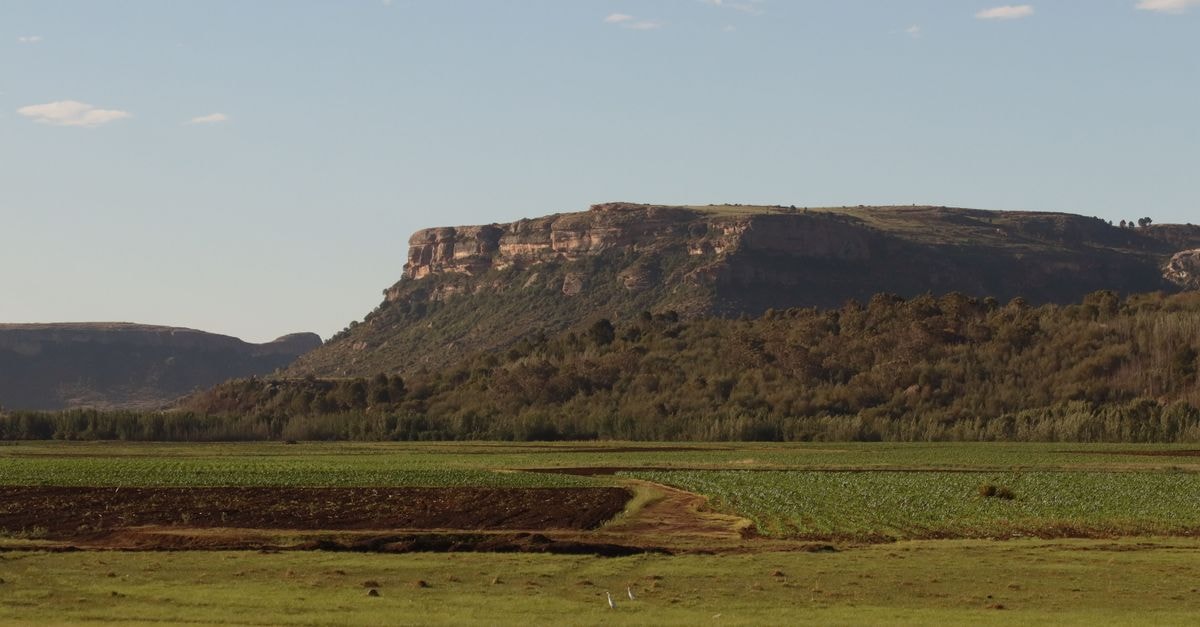
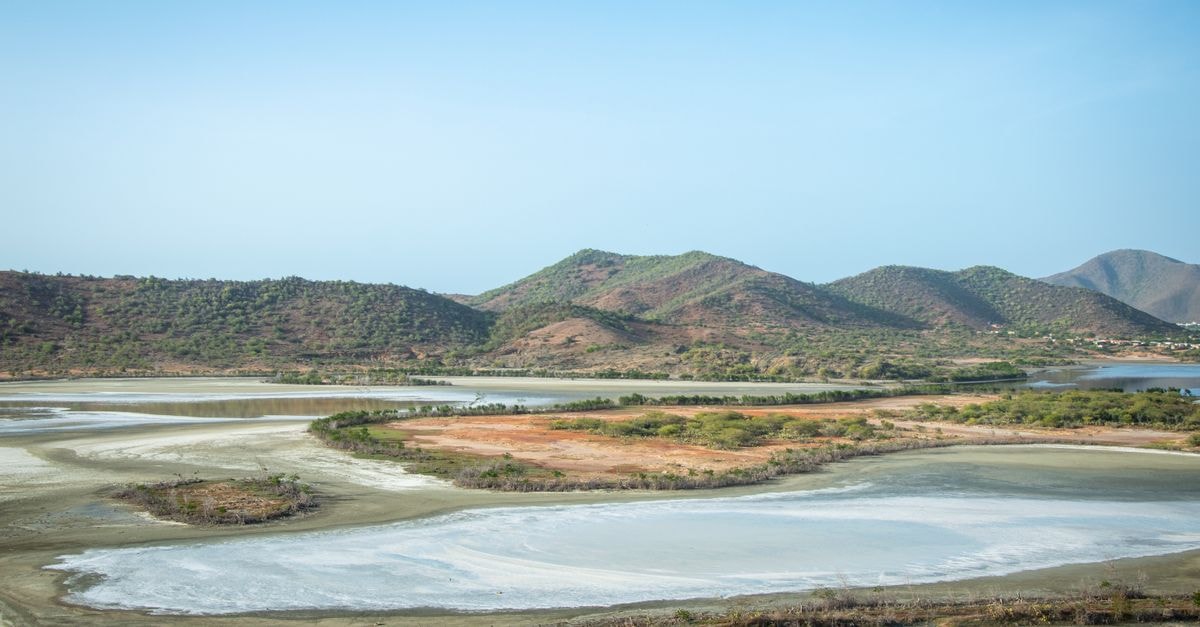
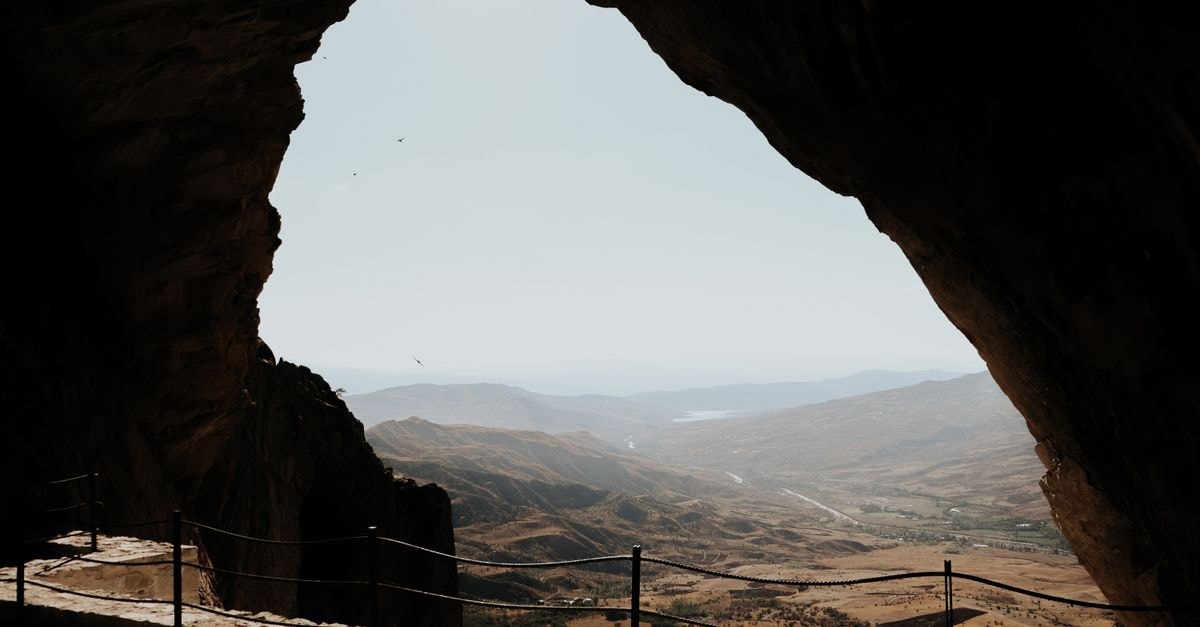
There is something quietly cinematic about arriving in Gonder, the old imperial capital of Ethiopia, where stone castles rise from acacia-studded hills and the highland light turns everything a shade softer. The city carries a particular mood: unhurried streets, a sense of layered history, and a landscape that feels more like a storybook than a transit hub. For travellers who like destinations that reward wandering rather than rushing, Gonder offers a different rhythm than Ethiopia's larger cities.

This guide gathers what is genuinely useful for planning time in the city, from how the weather typically feels, to how people move around, to how to approach the historical sites that draw visitors here in the first place.
Weather and seasonal context
Because seasonal travel analysis tends to hinge on personal preference, the practical advice here is gentle rather than prescriptive. Travellers who prefer cooler walking conditions may enjoy pacing the day differently, perhaps reserving the heavier sightseeing hours for the morning and allowing time to linger indoors when the midday sun is at its strongest. Those who like warmer evenings may find that dining later in the day suits the local tempo.
Rather than chasing a particular window, it helps to pack for variation: a light layer for early mornings, sun protection for midday, and something slightly more substantial for evenings at altitude. That approach tends to serve most visitors well across the typical year.
Getting around
Gonder does not have a metro or tram system, so movement around the city relies on ground-based options. The transport character most associated with the city is the bajaj, a three-wheeled vehicle that offers a taxi-like way to move between points within the area. Bajajs are often the most flexible option for visitors who want to cover ground without committing to a full rental.
For travellers who prefer walking, the historic centre is compact enough that many of the key sites can be reached on foot from a central base, which also allows for the kind of slow, side-street exploration that tends to reveal more of a city's everyday texture. Combining short walks with occasional bajaj rides is usually the most comfortable way to experience the city without overthinking logistics.
Since there is no rail-based transit, the rhythm of movement feels distinctly local, and it is worth allowing extra time for trips, whether by bajaj or on foot. That buffer tends to make the day feel calmer and more enjoyable.
Attractions and planning
Lake Tana, Ethiopia's largest lake and the historical and religious heart of the country's Orthodox Christian tradition, draws considerable attention in broader regional travel guides. It is important to note that Lake Tana itself sits near Bahir Dar rather than within Gonder, so reaching the lake and its island monasteries is a separate undertaking. Visitors interested in combining the two should treat that as a regional decision, not an in-city stop, and plan accordingly rather than assuming it is part of a Gonder day.
A note on planning
Travel conditions can change, and entry requirements, transport availability, and on-the-ground logistics should always be confirmed with official channels before departure.
Final thoughts
Gonder rewards travellers who arrive with patience and leave with a few extra days than they originally planned. The castles, the church ceilings, the slow streets, and the highland air together create a destination that feels distinct from anywhere else in Ethiopia, and the city's compact centre makes it easy to settle into its rhythm. With a flexible plan, comfortable layers, and an openness to walking, most visitors find that Gonder offers far more depth than its size suggests.
Share this article
TOOLS FOR THIS PLAN
Make the Gonder plan measurable
Choose a tool only when it answers the next question in your trip. Your values stay in the browser, and each tool offers a route back to this planning context.