Surat at a glance

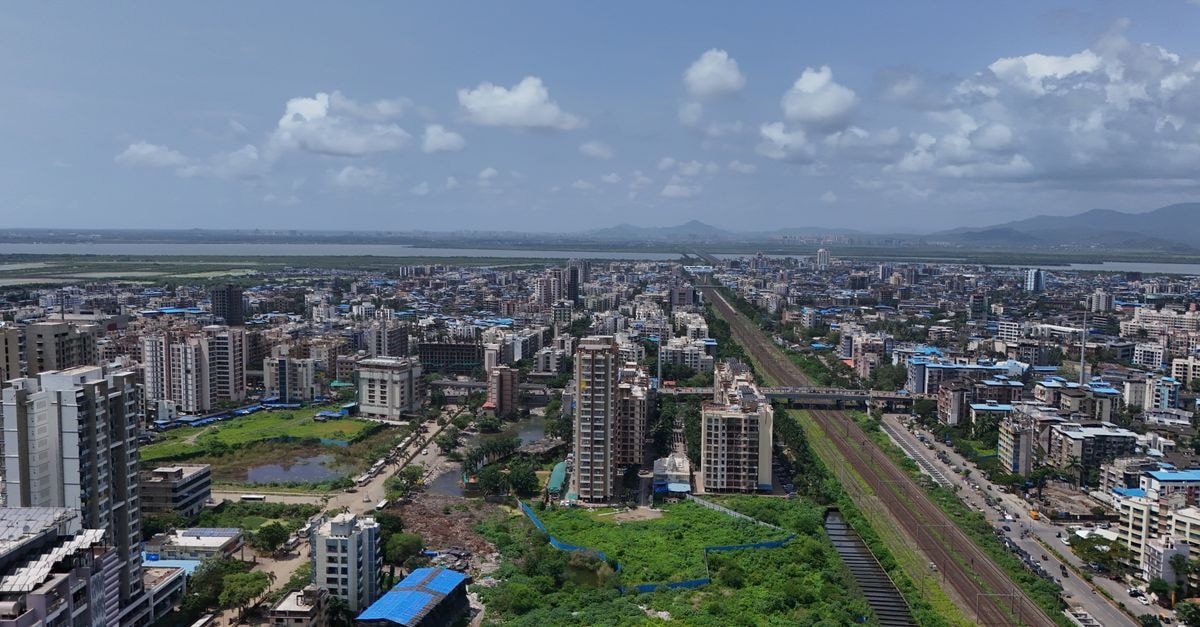
Surat sits along the Tapi River in Gujarat, in western India. It has long been recognized as the "Gateway to the World" because of its strategic location on trade routes between India and the rest of the world. It is also widely described as the "diamond city of Gujarat" and is known as a vibrant hub for diamond polishing, textiles and food.
This combination of commerce, craft and cuisine gives Surat a distinctive identity. Its textile heritage dates back centuries, while its position on historic trade routes helps explain its long-standing commercial importance. For visitors, the city offers context through its museums and a closer understanding of the industries and food culture associated with Surat.
Attractions and city context
A city shaped by trade and craft
Surat's history as a trade crossroads is central to understanding the city. Its strategic location helped establish it as a gateway on routes connecting India with the wider world. Today, Surat remains a vibrant diamond-polishing and textile hub, giving the city a strong connection to both international trade and traditional craft.
Textiles are a fundamental part of Surat's identity. The city has a rich textile heritage dating back centuries, and fabric continues to be closely associated with its commercial life. This history provides useful context for understanding Surat beyond its modern reputation for diamonds and industry.
The Sardar Patel Museum
The Sardar Vallabhbhai Patel Museum Planetarium is a useful starting point for visitors interested in Surat's history. The Sardar Patel Museum is recommended for anyone who wants to dive more deeply into the city's past. It provides a tangible way to explore Surat's historical identity before learning more about its present-day roles in textiles, diamond processing and trade.
Surat is also known as the "diamond city of Gujarat" and sparkles along the banks of the Tapi River. The river forms part of the city's geographical setting and helps visitors connect its modern identity with the location that supported its historic development.
Planning an exploratory visit
Surat is a working city as well as a destination. A practical visit can combine the Sardar Patel Museum with time to reflect on the city's trade history, textile heritage, diamond industry and relationship with the Tapi River. This approach offers a clearer picture of Surat than focusing on one attraction alone.
Food and local culture
A city associated with food
Surat is situated in the western Indian state of Gujarat and is not only a vibrant diamond-polishing and textile hub but also an epicenter of celebrated local delicacies. The city is often called the food capital of Gujarat, reflecting the importance of its food culture.
Whether you are a first-time visitor or a returning traveler, exploring Surat's food scene should be at the top of your itinerary. Food is closely tied to the city's identity, so including it in a visit provides another way to understand Surat alongside its museums, trade routes, textile heritage and diamond-polishing industry.
Putting it together
Surat is best approached as a city shaped by movement and exchange. Its historic role as a gateway, centuries-old textile tradition and modern diamond industry all contribute to its present identity. The Sardar Patel Museum offers a focused introduction to the city's history, while the Tapi River provides a reminder of the geography behind its development.
Allow time for both historical context and local food experiences. Surat's trade routes, textiles, diamonds, museum attractions and gastronomic reputation reveal different parts of the same city. Together, they show why Surat is significant within Gujarat and how its past continues to influence its character.
A note before you go
Factual travel conditions can change, and official channels should always be checked before departure. Museum opening hours, transport options and local services may evolve, and details not directly confirmed in this guide should be verified locally. Treat the information here as a starting framework for your own planning rather than a final, fixed itinerary.
Share this article
TOOLS FOR THIS PLAN
Make the Surat plan measurable
Choose a tool only when it answers the next question in your trip. Your values stay in the browser, and each tool offers a route back to this planning context.