Syktyvkar travel often feels like a step beyond the familiar backpacking circuit, with a compact city experience set against the forests and rivers of northern European Russia. For travelers who want regional history, an engaging museum visit, and a sense of the surrounding landscape, the city offers a focused introduction to the Komi Republic. The available experiences also make it easy to balance indoor cultural sightseeing with quieter outdoor character.
Komi History at the National Museum
The National Museum of the Komi Republic is the clearest starting point for understanding the region. Its interactive exhibits and hands-on displays present the history and culture of Komi in a way that can hold attention beyond a conventional gallery visit. Families with children may find the hands-on approach especially useful, while anyone curious about northern Russian identity gains a concrete place to begin.
Rather than treating the museum as an isolated stop, consider it as the cultural anchor for a broader visit. The exhibits provide context for the Komi setting that surrounds Syktyvkar, including the wooded landscape visible around the city and in its quieter districts. If you prefer experiences that explain a place as well as display it, this is a strong reason to include the museum in your plans.
Ezhva and the Taiga Setting
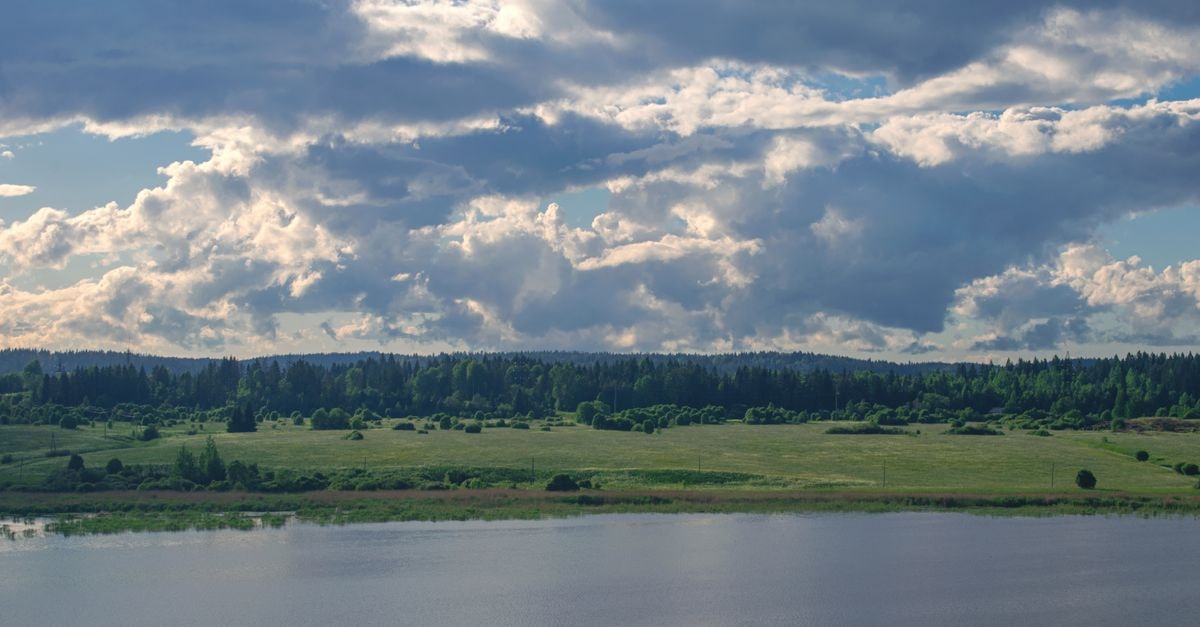
Ezhva, a quiet district of Syktyvkar, offers a more intimate look at provincial life. Its setting among dense taiga forest and the Vychegda River gives the district a noticeably different character from a conventional city-center visit. For travelers drawn to river scenery, forest atmosphere, and a slower sense of place, Ezhva may be the part of Syktyvkar that feels most distinctive.
The appeal here is atmospheric rather than spectacle-driven. There is no need to turn the district into a checklist of attractions; the river and forest setting are the central reasons to explore it. Pairing time in Ezhva with the National Museum creates a useful contrast between the Komi Republic’s cultural story and its natural setting. Just remember that the approved information supports the character and location of the district, not specific walking routes, crossings, cruises, or other named activities.
Getting Around and Planning the City
Syktyvkar lies in northern European Russia, east of St. Petersburg and well away from the classic backpacker loop. That position makes it feel less like a standard stop on a hurried northern itinerary and more like a destination to approach with a clear plan. The city’s relative separation also means that each excursion deserves a little attention when arranging it.
Available travel information describes a moderate selection of activities and lists around 85 activities and guided tours. This is an overview count that may change, not confirmation that each listed experience is currently operating, bookable, or available on your visit. If you prefer guided experiences, the reported size of the listing may be useful for identifying possible options to investigate. If you favor independence, the museum and the atmosphere of Ezhva provide useful anchors without requiring a fixed package.
Before committing to a particular tour or transport arrangement, check the current details with the operator or official local channel. The overview count does not establish current availability, prices, schedules, meeting points, or language arrangements, so it should be treated as a planning cue rather than live confirmation.
Russian Food Beyond the Usual Expectations
Russia’s culinary traditions provide useful context for approaching food in Syktyvkar, but the available sources do not establish the range of dishes offered in the city. Across Russia, traditional cooking is associated with dishes such as pelmeni, meat-filled dumplings often described as a universal comfort food. Caviar is another emblematic Russian ingredient, with a history shaped by scarcity, high value, and the growth of aquaculture. These are national references, however, not evidence that any particular Syktyvkar restaurant serves either dish on a regular basis.
More broadly, Russian food culture is often portrayed through contrasting sensory details: pork fat rendering in a cast-iron skillet and the sharp tang of fermented rye bread. That wider context can be useful when exploring menus because it points to the richness of Russia’s culinary traditions rather than reducing them to a few stereotypes. It does not demonstrate that visitors are likely to encounter these elements in Syktyvkar, nor does it establish that pelmeni, caviar, or any other dish is a specifically Komi or Syktyvkar specialty.
For a food-focused traveler, consider asking what is being served locally rather than assuming that Russia’s best-known luxury ingredients define the city. Confirm dishes, ingredients, and availability directly with the restaurant. The approved information does not support naming a particular restaurant, setting a price, or claiming that a specific menu item is available on your visit.
Choosing a Shape for Your Visit
The strongest options suit different travel preferences. The National Museum is the clearest fit for anyone who wants an interactive introduction to Komi history and culture, particularly families who appreciate hands-on displays. Ezhva suits travelers interested in forest scenery, the Vychegda River, and the quieter character of provincial life. Those who want a moderate range of activities may also appreciate the reported listing of around 85 activities and guided tours as a starting point for further research.
Food offers another lens, but with a useful distinction: pelmeni, caviar, fermented rye bread, and pork fat belong to wider Russian food traditions, not proven Syktyvkar specialties. Treat them as cultural context and verify what is actually offered locally. Finally, travelers who dislike off-the-beaten-path logistics may want to check transport details early, since Syktyvkar is described as far from the classic backpacker loop.
The practical takeaway is to build around one or two clear interests rather than treating an activity count as a reason to rush. The museum and Ezhva offer two distinct ways to understand the city, while the wider food scene rewards curiosity rather than assumptions.
Travel conditions, tour schedules, operating status, and prices can change. Confirm practical details through official channels and the providers themselves before departure.
Share this article
TOOLS FOR THIS PLAN
Make the Syktyvkar plan measurable
Choose a tool only when it answers the next question in your trip. Your values stay in the browser, and each tool offers a route back to this planning context.