A first look at Kyzyl

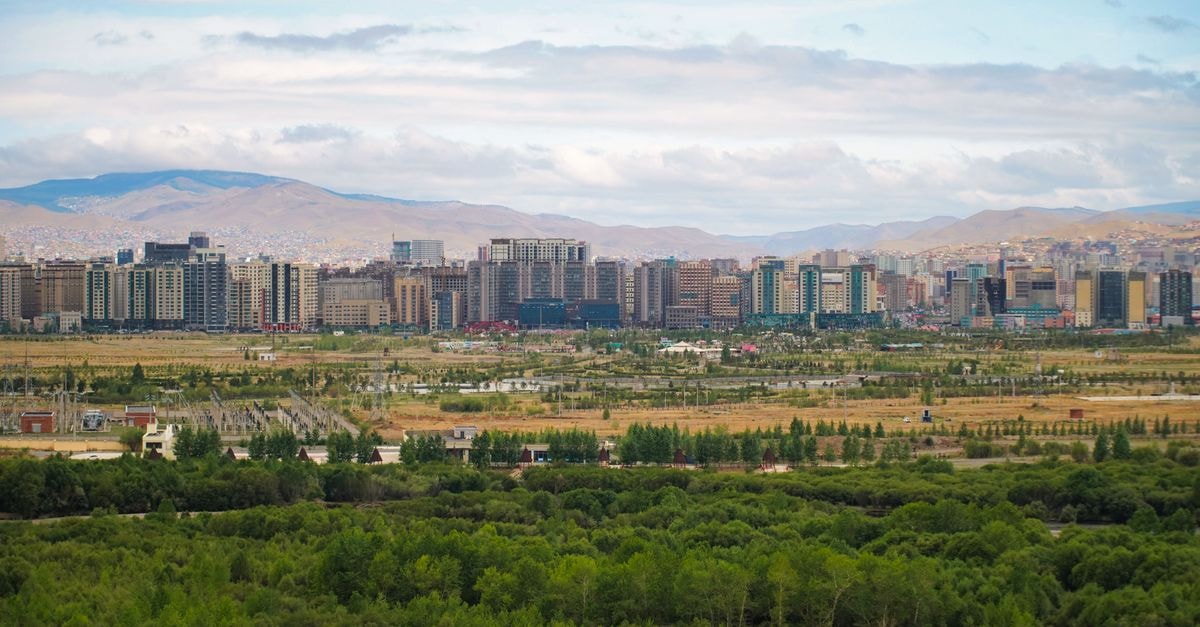
Kyzyl sits in the Tuva Republic as the small, slow-paced capital of a region often described as one of the most distinctive corners of Russia. Tucked where the Bii-Khem and Kaa-Khem rivers merge into the great Yenisei, the city carries a frontier feel: broad streets, a sky that feels enormous, and a culture shaped by centuries of steppe, shamanic tradition and Soviet-era planning. Travelers tend to come here less for big-city spectacle and more for the sense of being somewhere genuinely off the usual path, with a museum that anchors the local story and a food scene rooted in Tuvan heritage.
The practical rhythm of Kyzyl rewards travelers who like to take things slowly. Distances inside the city are short, the pace is unhurried, and the landmarks worth your time can be slotted into a calm day of walking and sitting down to eat. The notes below keep to what the approved evidence supports: how to move around without a bus network, the single key cultural attraction to prioritize, and what to expect when you sit down at a café or restaurant.
Getting around
There are no buses in Kyzyl, so getting around means choosing between two main options that locals use every day. The first is the marshrutka, the shared route taxi van that runs along set corridors through the city. These vans are driven by locals, and you should expect that drivers may speak little Russian and surely no English, so it helps to know the name of your stop written down, or a rough landmark such as the museum, a hotel, or the central market. The second option is a regular taxi, which can be more comfortable and removes the small language friction of the marshrutka.
For travelers who prefer not to negotiate with drivers or who value comfort on uneven roads, a regular taxi may suit better than the marshrutka. If you are confident with simple sign language and a written address or map pin, the marshrutka remains the most common way residents move around, and riding one is a small slice of everyday Kyzyl life. Either way, plan short walks between rides, since the city is compact and the river embankment is an easy anchor for orientation.
Attractions and planning
The single cultural anchor most visitors build their day around is the National Museum of the Republic of Tyva. It is presented as a must-visit for anyone interested in the history and culture of the region, and it works well as a quiet, indoor focus that pairs naturally with lighter moments like a long lunch, a riverside stroll, or simply sitting with a tea. Because the museum carries the story of Tuvan archaeology, ethnography and the wider region, it tends to reward travelers who enjoy context over sightseeing checklists.
Consider giving the museum a generous block of time rather than racing through it, especially if you prefer slow travel with depth in one place rather than a packed itinerary. Travelers with a casual interest in regional culture may still find value in a shorter visit, but those who enjoy reading exhibits in detail should pace the day around the museum rather than layering it onto a busy schedule.
Food and local context
Food is one of the most memorable parts of any visit to Kyzyl. One of the most popular dishes in the city is buuz, a steamed dumpling that you will see across local menus and that doubles as an easy introduction to Tuvan home cooking. Beyond that single signature, Kyzyl offers a wide range of restaurants and cafés that serve traditional Tuvan cuisine alongside international dishes, so you are not limited to one style even if you want to eat Tuvan food every meal. The overall culinary scene is described as a wide array of culinary delights, which is a fair signal that wandering into a place that looks good and reading the menu is a reasonable strategy.
For travelers who specifically want to try regional specialties, asking for buuz and other Tuvan dishes early in the stay helps, since portions and menus can vary by establishment. If you prefer familiar flavors or eat with someone who does not want to gamble on unknown dishes, the presence of international options means a backup is usually close at hand. A short walk along the main streets is often enough to find a handful of cafés within easy reach of the museum and the embankment, which keeps meal timing flexible.
A wider point of context that visitors may encounter while in Kyzyl concerns the current travel environment for Russia as a whole. The country is flagged as having an unstable situation and a very high level of general risk, and traveling to Russia may be dangerous. This is country-level context that bears on the trip as a whole; it does not describe a specific street, venue, or service in Kyzyl itself, and it does not mean the city is uniquely risky. Treat it as a baseline consideration for the entire visit rather than a verdict on any single neighborhood.
A note on practical realities
Two practical realities are worth keeping in mind without turning them into verdicts. First, the language gap in marshrutkas and some smaller cafés is real, so a translation app with offline Russian, a written address, and a little patience will make a visible difference in how smoothly the day runs. Second, because the city is small and the museum is the main cultural anchor, the rhythm of a visit tends to be slow rather than checklist-driven, which most travelers either actively want or find underwhelming; the right fit depends on your own travel style rather than on Kyzyl changing to meet expectations.
If you are the kind of traveler who prefers a city where one strong cultural stop can shape the whole day, paired with unhurried meals and easy walks by the river, Kyzyl may suit that style of visit. If you prefer dense, fast-moving urban itineraries with multiple attractions per day, you may want to reconsider whether this small capital matches the pace you enjoy, rather than arriving expecting a larger city's rhythm.
Before you go
A short verification question that often matters for this kind of trip: confirm the current status of any entry requirements and the broader travel advisory for Russia before departure, since conditions can change. Factual travel details such as opening hours, transport availability, and risk advisories can shift, and official channels should be checked close to your travel date so that your plans reflect the situation as it actually stands.
Currency, ticket prices and timetables for Kyzyl are not detailed in the approved evidence for this guide, so budget planning and booking decisions are best confirmed directly with the museum, your accommodation, and current official sources rather than inferred from this overview.
Share this article
TOOLS FOR THIS PLAN
Make the Kyzyl plan measurable
Choose a tool only when it answers the next question in your trip. Your values stay in the browser, and each tool offers a route back to this planning context.