A first look at Tahoua

Tahoua sits in the dry heart of west-central Niger, holding its place on the itinerary less for glossy landmarks and more for the everyday texture of a regional capital that earns its keep as a market town rather than a postcard. Travelers who arrive here tend to be the kind who enjoy reading a place through its trade, its architecture, and the rhythm of its streets, rather than chasing a checklist of famous sights.
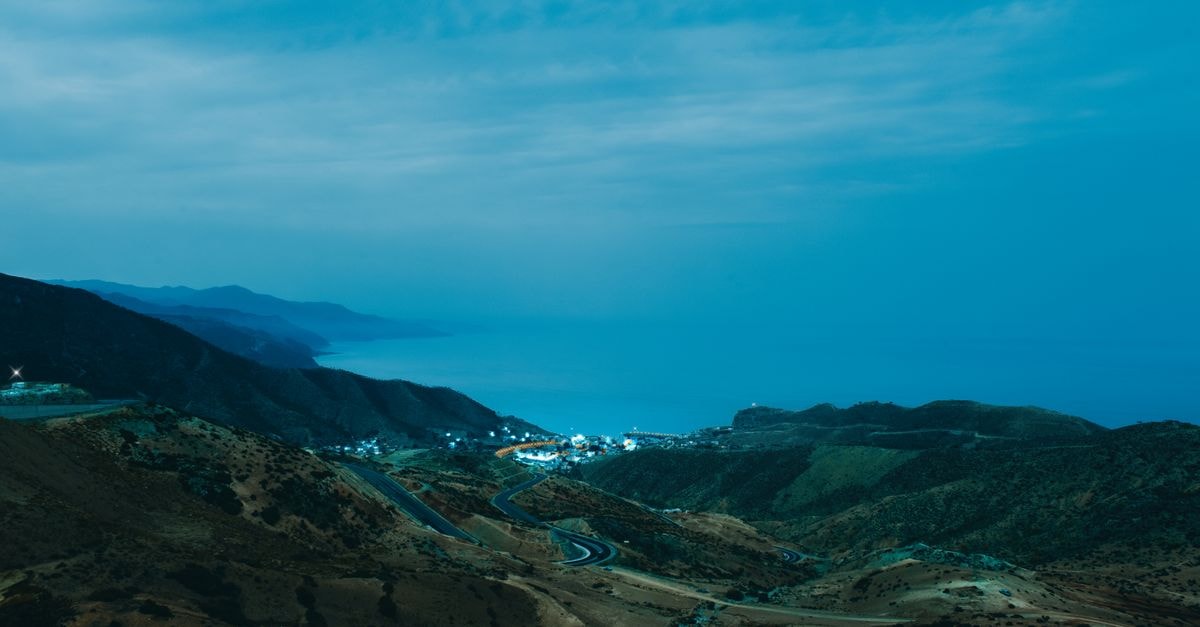
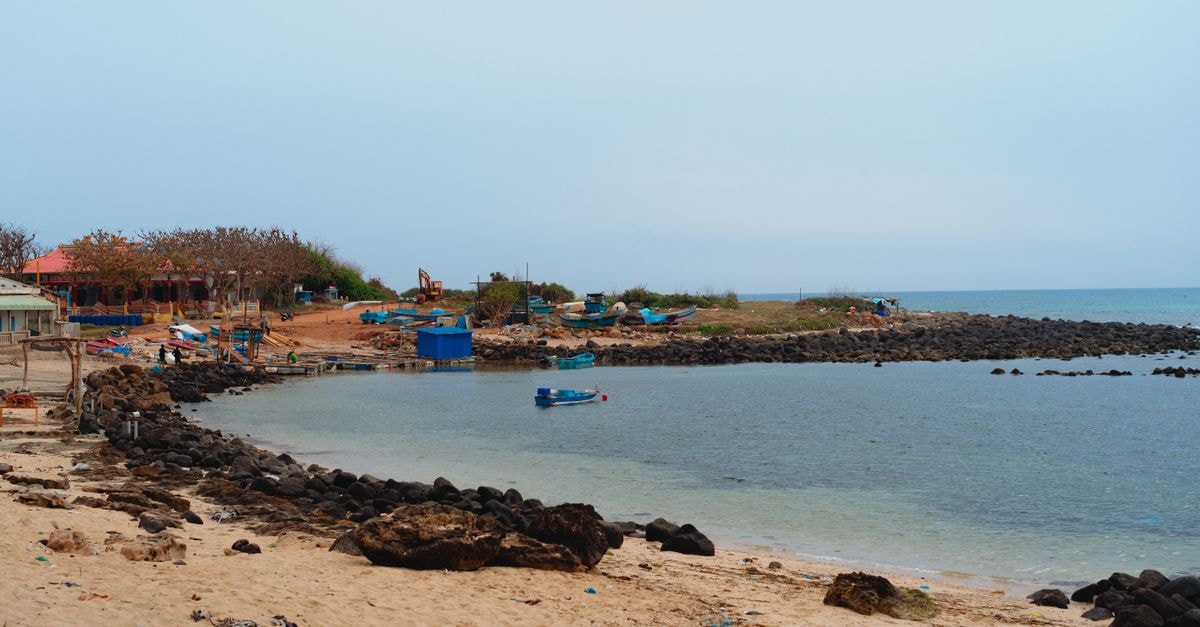
The city is often described as a crossroads in the truest sense: a place where roads meet and goods pass through, where the surrounding quarters still reveal the layered character of the region. There is a quiet confidence to Tahoua, the kind that comes from being a hub for travelers, traders, and neighbors from across the surrounding countryside. The draw is atmosphere and the sense that you are stepping into a part of Niger that few visitors spend time in.
For travelers planning a Tahoua travel guide experience, the practical shape of the visit is fairly simple. Most journeys begin with a flight or road transfer from Niamey, the national capital, and then unfold at a slower pace once on the ground. If you prefer routes where the journey itself feels like part of the story, that early leg is worth savoring rather than rushing.
Getting to and around Tahoua
The simplest way to frame Tahoua's position is to think of it as a regional capital reached via Niamey. Once you arrive in Niamey, the onward leg to Tahoua can be made either by road or by air, with the choice often depending on how much time you want to spend watching the landscape change.
By road, the route links Niamey to Tahoua by car or bus, threading through the Niger countryside. Road travel tends to suit travelers who like a window-seat view, who enjoy breaking the journey with roadside stops, and who are comfortable with longer transit times in exchange for a more ground-level sense of the country. It can also be a useful option if you want flexibility over your departure time, though schedules and conditions should always be checked locally before you set out.
By air, the connection is faster and may suit visitors who are pairing Tahoua with other stops in Niger and want to keep transit time light. Once in Tahoua itself, getting around tends to be straightforward, with the kind of informal, walkable character that often defines regional capitals of this size. Travelers who enjoy slow mornings and on-foot exploration may find that the most rewarding parts of the city reveal themselves when moving at street pace.
Attractions and planning your time
Tahoua is widely framed as a destination whose top sights are best approached as a curated short list rather than a sweeping circuit. Local travel writing consistently presents a top-ten set of attractions in and around the city, giving visitors a clear anchor for what is worth prioritizing. Treating that short list as your planning spine tends to work well: it keeps the visit focused and gives structure to days that might otherwise blur together in the heat.
The historic mud-built quarters are repeatedly singled out as a high-value area for visitors. They border the more modern parts of the city, and stepping just outside the door of a contemporary guesthouse often means stepping into what feels like the deepest sense of traditional Tahoua. If your travel style leans toward architecture, vernacular building traditions, or photography of everyday streets, this is where the city tends to reward a slower pace. Consider planning at least one long, unhurried walk through these quarters, ideally in the cooler parts of the day, so the experience is less rushed and more observant.
Food and local context
Tahoua's culinary scene is often described as a delightful mix of traditional African and Arab influences, a description that captures the crossroad quality of the city itself. For visitors, that mix tends to show up not as a single signature dish but as a layered table: staples familiar across Niger and the wider Sahel sit alongside flavors that trace trading routes further north and east.
If you are a traveler who enjoys eating as a way of reading a place, consider asking locally about what is being cooked that day, what is in season, and where regulars eat. Those answers often lead to more memorable meals than any guide ranking. Travelers with a preference for very mild or very familiar flavors may want to pace themselves at first and let their palate adjust; those who enjoy spice, grilled meat, and slow-cooked grains will likely feel right at home.
Because the source material frames Tahoua's food story in general terms, specifics such as individual restaurant names, dish prices, or current menus are best confirmed on arrival. Local hosts and hosts at your accommodation are usually the most reliable source for what is open, what is good that week, and what the expected cost of a simple meal might be.
Choosing what fits your trip
A few tradeoffs may help shape the visit. If you prioritize a deeper sense of traditional Tahoua atmosphere and enjoy on-foot exploration, anchoring time around the historic mud-built quarters tends to be rewarding, while travelers who prefer faster logistics and lighter transit days may lean toward the air link from Niamey rather than the road option. Food-focused travelers may want to balance trying the broader Niger table with curiosity about the African and Arab influences that shape local cooking, and pace meals so the strongest flavors land later in the stay.
Prices, opening hours, schedules, reservation rules, and local conditions can change; verify them through official channels before departure.
Share this article
TOOLS FOR THIS PLAN
Make the Tahoua plan measurable
Choose a tool only when it answers the next question in your trip. Your values stay in the browser, and each tool offers a route back to this planning context.