The Coral Hub at the Edge of the Pacific

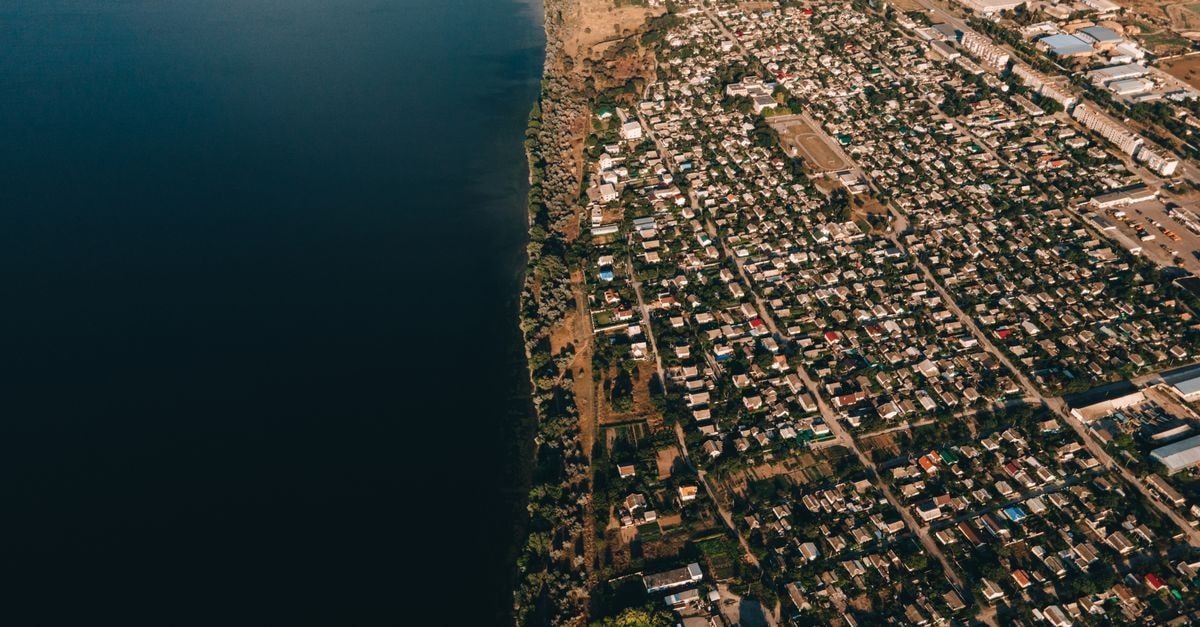
Tarawa doesn't really need to charm you on its own merits, because almost everyone who lands here is passing through in some way. The atoll functions as the logistical heart of Kiribati: a low coral ribbon stretched around a shallow lagoon in the central Gilbert Islands chain, holding the country's population and political center. That gives the visit a particular kind of energy. You're not here to tick off a polished list of landmarks so much as to read the room, watch how the country operates from its capital atoll, and then decide how you want to push deeper into Kiribati.
What strikes first-time visitors before they even leave the airport is the runway itself. Tarawa's runway is a thin strip of reclaimed coral that ends at the sea on both sides, a quiet visual reminder that this entire stretch of inhabited land has been coaxed out of the lagoon. That single image does a lot of work framing the trip, because almost everything else on the atoll follows from how flat, narrow, and water-bound the geography really is.
Weather and Seasonal Context
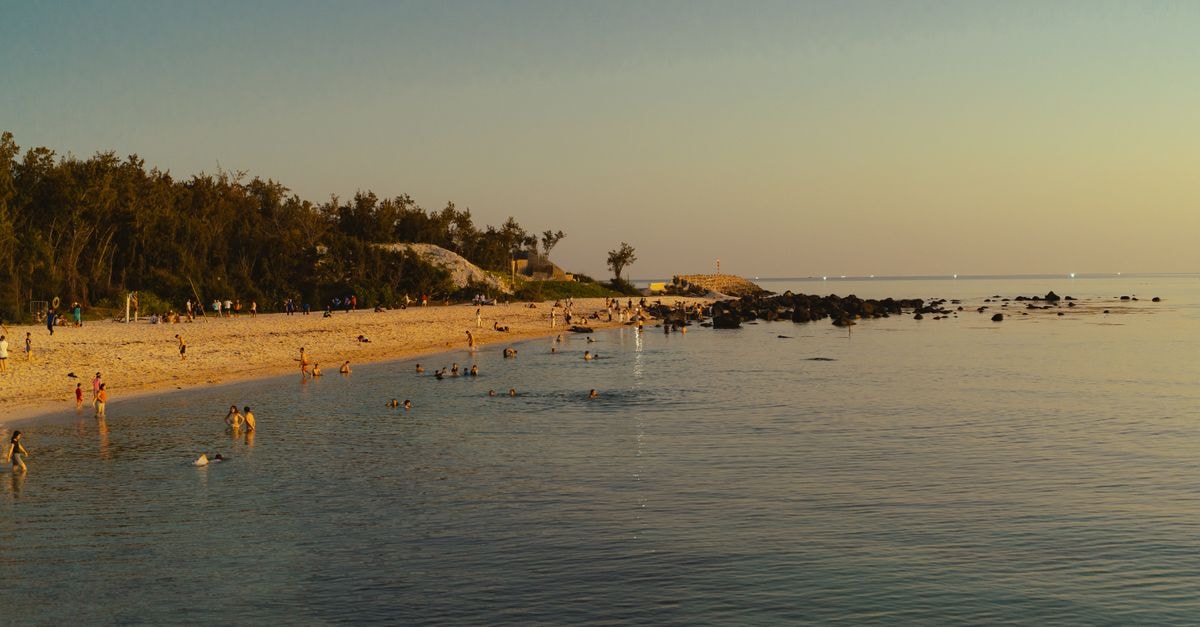
Because Tarawa sits so close to the equator inside a wide lagoon, the climate tends to feel consistently warm and humid for most of the year, with the kind of bright, equatorial light that flattens shadows by midday. Rain tends to arrive in heavier pulses rather than steady all-day drizzle, and the breeze off the lagoon can shift the apparent temperature in either direction depending on where you are on the atoll.
Rather than chasing a single perfect weather window, the more useful approach is to plan around comfort. Light, breathable layers, sun protection that actually holds up against reflected light off the lagoon, and patience with sudden tropical showers will serve you better than any forecast. The runway being right at sea level also means conditions on either end of the strip can look very different from conditions inland, so build in a little slack around flight connections rather than treating the airport as just another turnstile.
Getting Around
The biggest practical thing to understand about Tarawa is that it is, for most independent travelers, the only realistic gateway into Kiribati's outer islands. That single fact quietly organizes the entire trip. If you want to reach communities further along the Gilbert Islands chain or beyond, you are almost certainly routing through here, which means the time you spend on the atoll is partly a logistical tax and partly a chance to orient yourself.
Thinking of Tarawa primarily as transit also reframes how you plan your days here. Rather than trying to fill every hour with sightseeing, leaving room for the slow business of figuring out onward connections, rest, and orientation tends to make the rest of the journey smoother. That patience is itself a kind of travel skill on the atoll.
Attractions and Planning
Tarawa is not the kind of destination where you collect a string of famous landmarks. The appeal is more atmospheric and political than postcard-style. Visitors tend to focus on a handful of meaningful threads: the everyday life along the lagoon, the way the atoll's infrastructure has been built on reclaimed coral, and the sense of being in the administrative center of a country that spans a vast stretch of the central Pacific.
It is also worth being honest about what an attractions section can and cannot do for Tarawa. There is no dense museum quarter or famous skyline waiting for you here. Instead, the value is in how the atoll frames the rest of Kiribati. Visitors who arrive with that mindset tend to leave with a clearer sense of the country than those who expected a conventional capital experience.
A Few Practical Notes Before You Go
A little preparation goes further on Tarawa than in many other destinations. The atoll's scale is small but its role is large, so confirming onward transport, accommodation, and any required permissions before you arrive tends to make everything feel less improvised. Because services and infrastructure can be limited, carrying a small backup of essentials, having flexible payment expectations, and treating schedules as approximate rather than fixed all help.
It is also worth remembering that Tarawa is your entry point to a much larger country. The Gilbert Islands chain and Kiribati's outer islands each have their own character, and the time you spend on the main atoll shapes how well you will be able to move on. Treating the stop as part of the journey, rather than a delay before the journey, usually makes the whole trip feel more coherent.
Finally, keep in mind that factual conditions on the ground, including transport schedules, services, and local rules, can change. Check official channels and current advisories before departure so your plan reflects the latest information rather than assumptions carried in from older guidebooks.
Verification Note
Conditions in Tarawa, from weather to transport and services, can shift over time. Before you travel, confirm the latest practical details through official Kiribati channels and up-to-date travel advisories so your itinerary reflects current realities rather than older assumptions.
Share this article
TOOLS FOR THIS PLAN
Make the Tarawa plan measurable
Choose a tool only when it answers the next question in your trip. Your values stay in the browser, and each tool offers a route back to this planning context.