Setting the scene in Targovishte

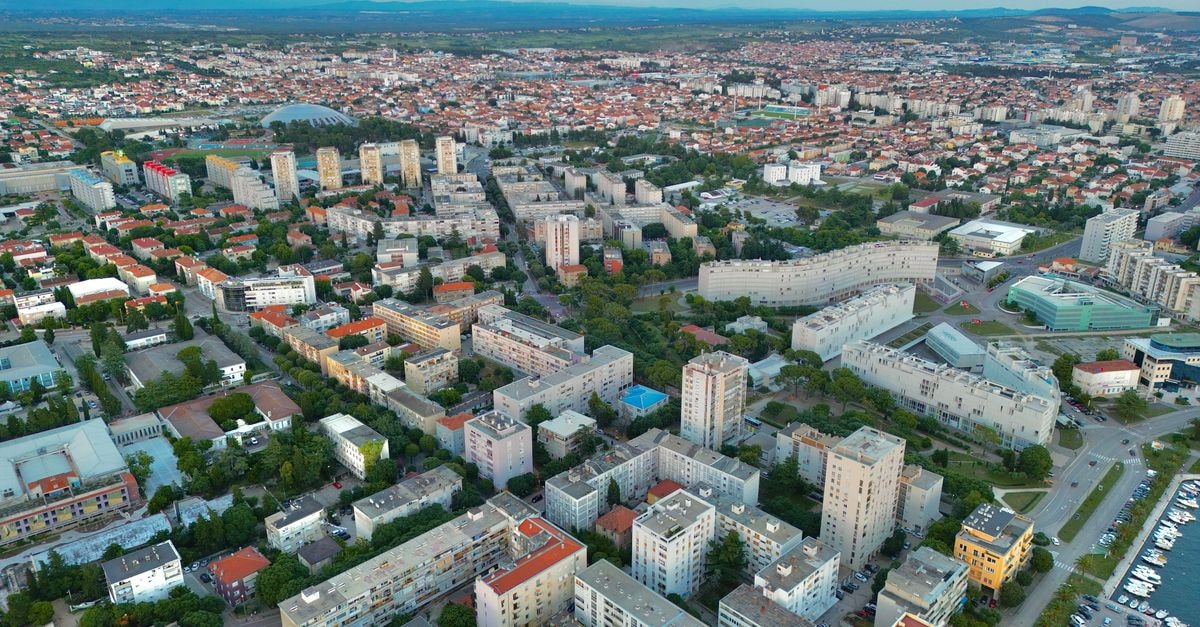
There is a particular kind of pleasure in arriving at a Bulgarian city that most guidebooks glide past. Targovishte, sometimes transliterated Tŭrgovishte, sits in the north-eastern part of the country where the Danube Plain softens into the foothills of the Balkan Mountains, and it has the unhurried cadence of a provincial capital rather than a tourist magnet. The name itself is a small clue to its character: it comes from the Bulgarian word for market, a reminder that this was once a crossroads for traders, fairgoers and craftspeople, and that mercantile past still shapes the streetscape.
What makes Targovishte genuinely interesting for the curious traveler is not a headline attraction but a layered one. A 3rd-century BC Thracian hoard was unearthed near the village of Kralevo just outside the city, and the treasure itself is now displayed in the Regional History Museum in Targovishte, so a single visit can stitch together prehistoric metalwork, nineteenth-century merchant houses, and the everyday rhythm of a town that sees few international visitors. That mix of depth and quiet is exactly the appeal for travelers who prefer to linger rather than tick boxes.
Getting around
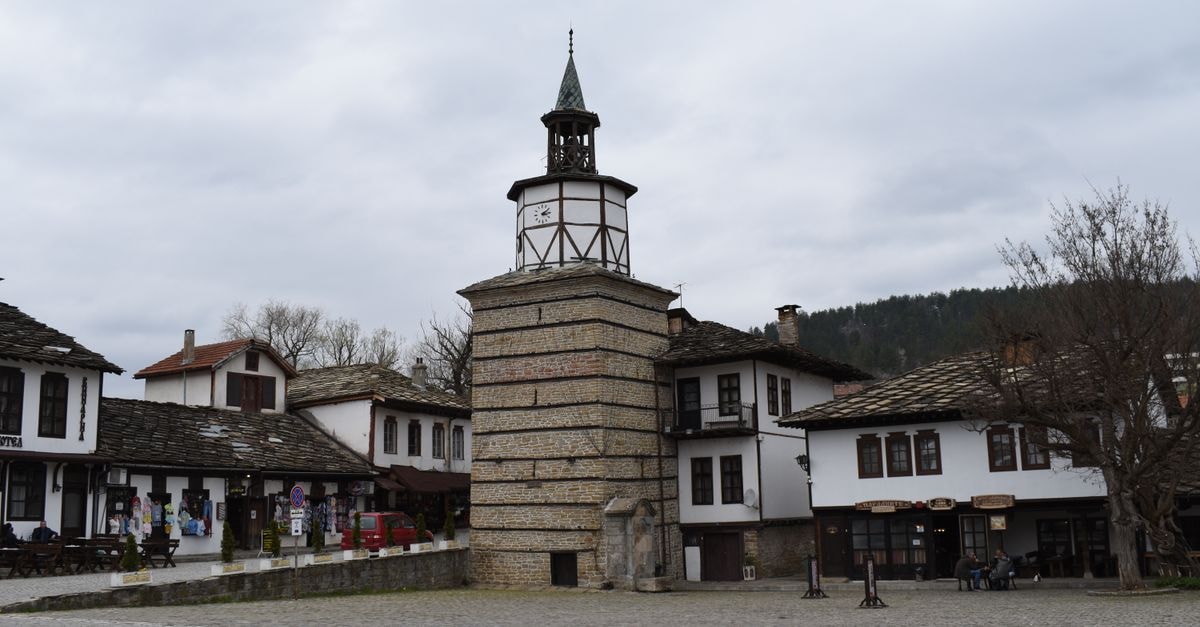
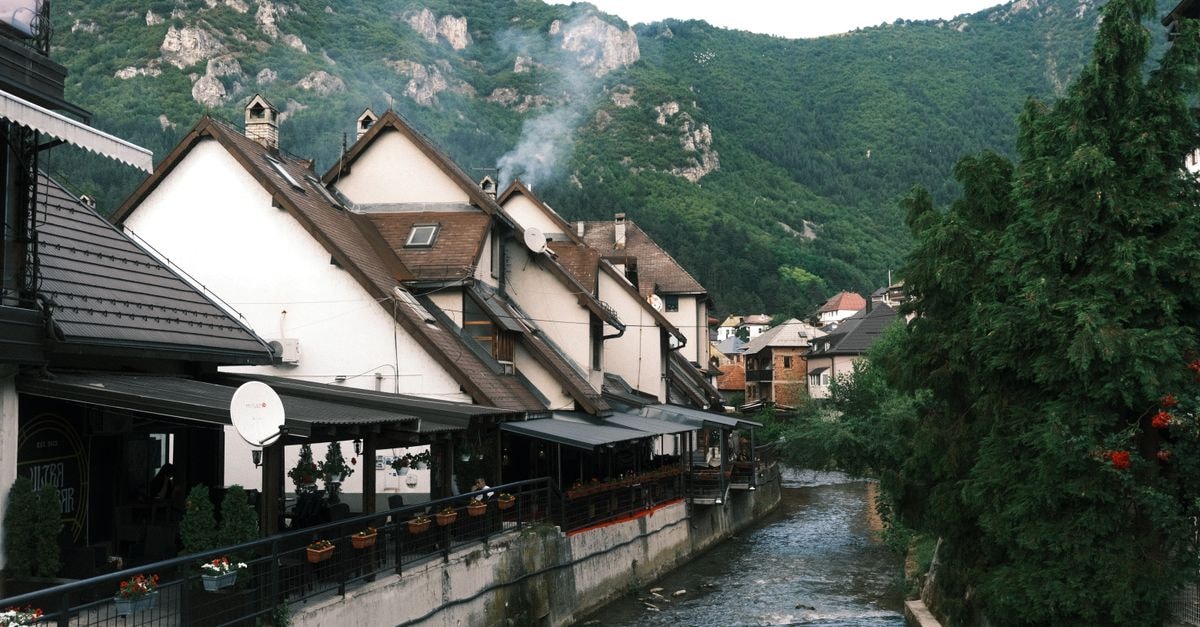
Targovishte reads as a relatively green and quiet provincial city, the kind of place where you can wander without a tight schedule. Most foreign visitors who do make the trip come for one focal point: the Varosha reserve, an old quarter that ranks among the best-preserved National Revival neighbourhoods in the country. Because the city grew up around a famous trade fair, it inherited a streetscape of nineteenth-century merchant houses and churches, and that revival-era fabric has been restored as an open-air old town where craft workshops sit alongside preserved homes.
Getting oriented is straightforward on foot. The Varosha quarter is compact enough to explore at a slow pace, and the surrounding centre is calm rather than crowded. If you prefer to break up your walking, the city rewards a stop-and-rest style of sightseeing rather than a fast circuit. Travelers who like the texture of nineteenth-century Revival architecture and want a break from larger, busier Bulgarian cities may find Targovishte a particularly pleasant detour; those hoping for a dense, walkable old town within a few minutes of major nightlife may want to recalibrate expectations, since the atmosphere here is deliberately low-key.
Attractions and planning
The Varosha Revival Reserve is the headline reason to come. It is one of the best-preserved National Revival neighbourhoods in Bulgaria, and wandering its lanes gives a strong sense of how a market town once looked and worked. The cluster of revival-era houses, churches and craft workshops has been restored as an open-air old town, so the experience is less museum-vitrine and more atmospheric street-by-street discovery. Plan unhurried time here rather than a rushed loop.
For history-focused travelers, the second essential stop is the Regional History Museum in Targovishte, where the Kralevo Treasure is displayed. The hoard itself was discovered near the village of Kralevo, and seeing it in its regional home adds a layer of context that a capital-city museum visit would miss. If you enjoy connecting small-town settings with deep antiquity, this pairing is the heart of a Targovishte visit.
In practical terms, treat the city as a focused stop rather than a sprawling itinerary. Start with the Varosha quarter on foot, then pivot to the Regional History Museum for the Thracian gold, and let the rest of your day unfold at the pace the streets suggest. Travelers who like to build their day around one strong cultural anchor and then drift may find this rhythm especially satisfying; visitors who prefer continuous, high-energy sightseeing may want to pair Targovishte with another nearby stop rather than spending the whole day within the city limits.
Food and local context
The town is known for its traditional Bulgarian cuisine, characterized by the use of fresh and locally sourced ingredients, which fits naturally into the slow, market-town rhythm of a day spent between Varosha and the museum. For a balanced day, a light bakery breakfast followed by a long lunch in a local restaurant works well, leaving the late afternoon free for wandering Varosha or revisiting the museum. Travelers who prefer slower, sit-down meals grounded in regional produce may feel especially at home here, while anyone hoping for a wide choice of international or fine-dining options should set expectations for a more modest, traditional scene. As always, it is worth checking current opening hours and seasonal menus before relying on a specific spot.
Choosing what fits your trip
Targovishte rewards travelers who design their visit around texture rather than volume. The strongest pairing for most independent travelers is the Varosha Revival Reserve in the morning, when the lanes feel quietest, followed by the Regional History Museum for the Kralevo Treasure in the afternoon. If you enjoy nineteenth-century architecture, Thracian-era archaeology, and a provincial city that has not been polished for mass tourism, this is a genuinely satisfying stop. If your style leans toward bustling nightlife or dense sightseeing circuits, treat Targovishte as one anchor in a longer north-eastern Bulgaria route rather than the whole of your trip. Pace your day gently, keep at least one unscheduled hour, and let the market-town rhythm set the tempo.
Prices, opening hours, schedules, reservation rules, and local conditions can change; verify them through official channels before departure.
Share this article
TOOLS FOR THIS PLAN
Make the Targovishte plan measurable
Choose a tool only when it answers the next question in your trip. Your values stay in the browser, and each tool offers a route back to this planning context.