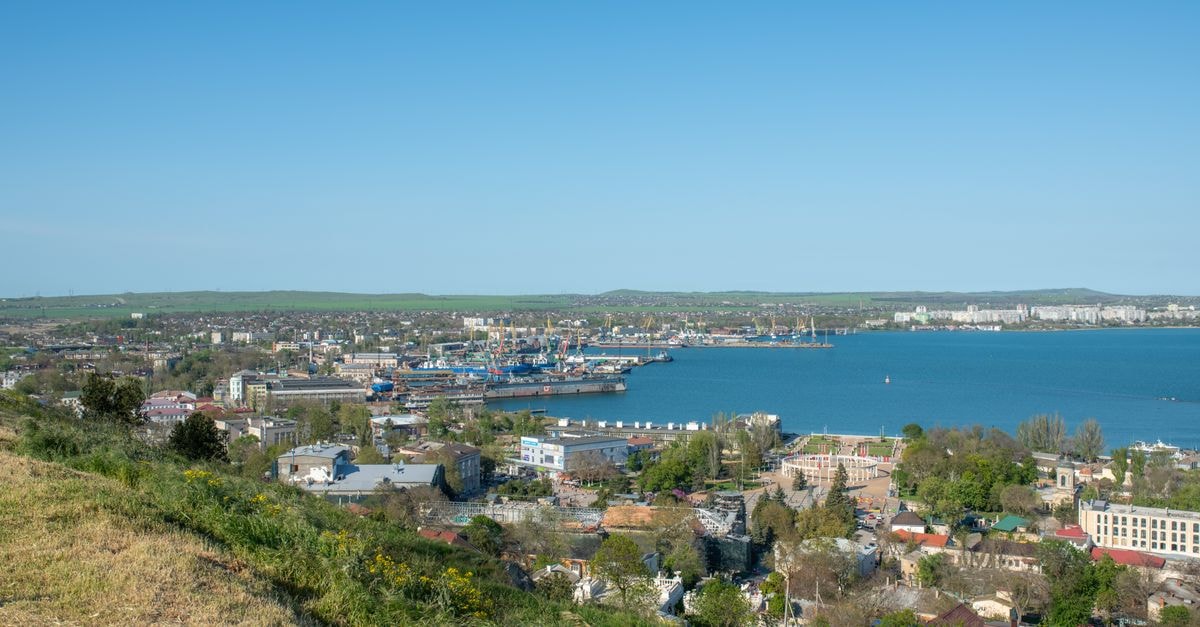
A quiet welcome to Dobrich

Tucked into the rolling plains of northeastern Bulgaria, Dobrich has the unhurried rhythm of a regional capital that is still finding its place on the international travel map. The city blends a layer of modern, post-war architecture with older civic buildings and green squares, and visitors tend to notice how gentle the everyday pace feels compared with Bulgaria's larger hubs. It is the kind of place where a long lunch can stretch into a slow afternoon walk, and where the conversation at a café table is as much a part of the visit as any museum.
This guide leans into that mood. If you are the sort of traveler who prefers a slow pace, fewer crowds, and a chance to actually settle into a place rather than sprint through a checklist, Dobrich may suit you well. It is less of a fit if you are chasing a busy nightlife scene or looking for a city that reveals itself in a single landmark. The reward here is quieter: a thoughtful museum, a walkable center, and a chance to taste the wider Bulgarian food culture that visitors tend to encounter in places like this.
Weather and seasonal context
Dobrich has the feel of a place that rewards travelers who plan around comfort rather than around peak spectacle. One local travel guide describes it as good for those who want to avoid crowds and enjoy a slow pace, and notes that May is when the weather tends to feel pleasant and the city is less crowded. That same mood of unhurried exploration carries through much of the year, especially outside the high summer months when the wider Dobruja region draws the most visitors.
In practical terms, summer afternoons can feel warm, and an itinerary guide for the city suggests moving lunch earlier if outdoor areas become uncomfortable, and swapping a longer park block for a shorter sheltered break on hot days. Spring and early autumn often feel gentler for walking between sights, while winter days can be crisp and short, which encourages lingering indoors around a table or a museum room.
If you prefer mild weather and a quieter atmosphere, the shoulder seasons tend to suit Dobrich well. If you travel in the height of summer, consider pacing outdoor time for the cooler parts of the day, since the heat can be a real factor when walking between stops.
Getting around
Dobrich is compact enough to manage on foot in the center, with a few useful transport options for anything further out. The city is served by a central bus station for regional travel and a railway station for longer connections. Route 29 links the city toward Varna and the A2/Hemus Motorway, which is the main highway corridor in this part of northeastern Bulgaria. For travelers flying in, Varna Airport is the main regional gateway, with Bulgaria Air operating domestic connections and carriers like Wizz Air, Ryanair, and Turkish Airlines offering wider international routes into the same airport. The coast at Albena sits roughly 35 kilometers away, about a 35-minute drive, which is a useful reference point when planning a base in the area.
Within the city, public transport runs on a single-ticket system. Tickets are inexpensive and can be bought on board or at kiosks, which keeps the experience simple if you are only here for a short stay. One realistic caveat from a local travel guide is that services are functional but not very frequent in the evenings or on Sundays, so it is worth checking timetables if you have timed connections, such as a train to Varna or a bus meeting. This is one of those small planning details that can shape the whole day, especially if you are combining a museum visit with an evening departure.
If you are visiting in warmer months, the practical move is to combine longer outdoor walks with shaded or indoor breaks, and to cluster transport hops together rather than waiting through the middle of the day in the heat. Travelers who prefer not to walk long distances in warm weather may want to consider a taxi for the trickier connections, since the local bus network thins out at quieter hours.
Attractions and planning
The cultural anchor of any Dobrich visit is the Regional Historical Museum. Established in 1953, the museum preserves and presents the cultural and natural heritage of the Dobruja region, with collections that stretch back to the sixth millennium BC. That depth is what gives a short Dobrich stay its weight: you are not just looking at a single town's history, but at a long layer cake of settlement, trade, and change across this corner of Bulgaria.
One of the most distinctive things to see in the broader Dobrich district is the only authentic funeral chamber in Bulgaria, set within what is described as the largest prehistoric necropolis in the world. For travelers with an interest in deep prehistory or archaeology, this is the kind of detail that can turn a stopover into a focused day. The chamber is the sort of place that rewards a slower visit, with time to read the panels and imagine the scale of the necropolis around it.
If you like to plan a day around a single thread, consider building your itinerary around the museum first, then allowing time for a quieter walk in the center and a long meal afterward. Travelers who prefer not to spend long stretches on their feet can break the museum visit into shorter sessions, returning to a café or shaded square between rooms. For anyone drawn to prehistoric sites, the funeral chamber is the highlight to prioritize, while the broader museum is the better choice for a more general sense of Dobruja's past.
Food and local context
Dobrich sits inside the wider Bulgarian food world, and the city offers a rich tapestry of culinary experiences that reflect its diverse history and cultural influences. That phrase captures what most visitors notice at the table: the food here does not feel like a single tradition, but a layering of Balkan, Black Sea, and broader Bulgarian influences that have settled into everyday menus.
The honest way to describe Dobrich's food scene is as a regional chapter in the larger Bulgarian story. Across the country, Bulgarian kitchens are known for fresh salads like shopska, grilled meats, banitsa-style pastries, slow-cooked stews, and a strong tradition of yogurt and cheese. Visitors to Dobrich will tend to encounter these wider Bulgarian staples in local cafés and restaurants, often served in a homestyle way that suits a slower, sit-down meal.
Rather than chasing a specific "must-eat" dish, the more rewarding approach in Dobrich is to treat meals as part of the day's rhythm: a late breakfast, a long lunch with a salad and a grilled main, and a lighter evening stop. If you enjoy exploring a place through its everyday restaurants rather than a single headline venue, this city fits that style of travel well. Travelers with dietary preferences, such as a love of vegetarian shopska-style salads or a need for simpler grilled options, will generally find the standard Bulgarian menu accommodating, since these patterns are common across the country.
Choosing what fits your trip
Dobrich rewards a particular kind of traveler, and it helps to be honest about that before you go. The city suits visitors who enjoy a slower pace, are comfortable planning around modest transport timetables, and see a regional museum as a highlight rather than a stopgap. If you prefer quieter streets, regional food culture, and a base from which to make short trips into the wider Dobruja region, Dobrich fits that style well.
You may want to reconsider if your ideal trip centers on a busy evening scene, a packed daily sightseeing list, or a coast-first beach holiday, since the city is not built around any of those. Travelers who want a single, dramatic landmark as their anchor may also find Dobrich underwhelming on its own, though the prehistoric necropolis and the historical museum do provide genuine depth.
A simple way to frame it: come to Dobrich for a few quiet days, build your time around the Regional Historical Museum and the wider food culture, and use the city as a calm base rather than a checklist. That approach tends to match the city best, and it leaves room for the small surprises that make a slower Bulgarian stop feel memorable.
A note before you go
Factual conditions in Dobrich, including transport timetables, opening hours, ticket prices, and seasonal access to the prehistoric necropolis, can change over time. Before you travel, it is worth checking the official site of the Regional Historical Museum for current opening days and any guided-tour options, and confirming bus and rail schedules with the central stations directly, especially if you are relying on an evening or Sunday connection. A little pre-trip checking goes a long way in a smaller regional city like this.
Prices, opening hours, schedules, reservation rules, and local conditions can change; verify them through official channels before departure.
Share this article
TOOLS FOR THIS PLAN
Make the Dobrich plan measurable
Choose a tool only when it answers the next question in your trip. Your values stay in the browser, and each tool offers a route back to this planning context.