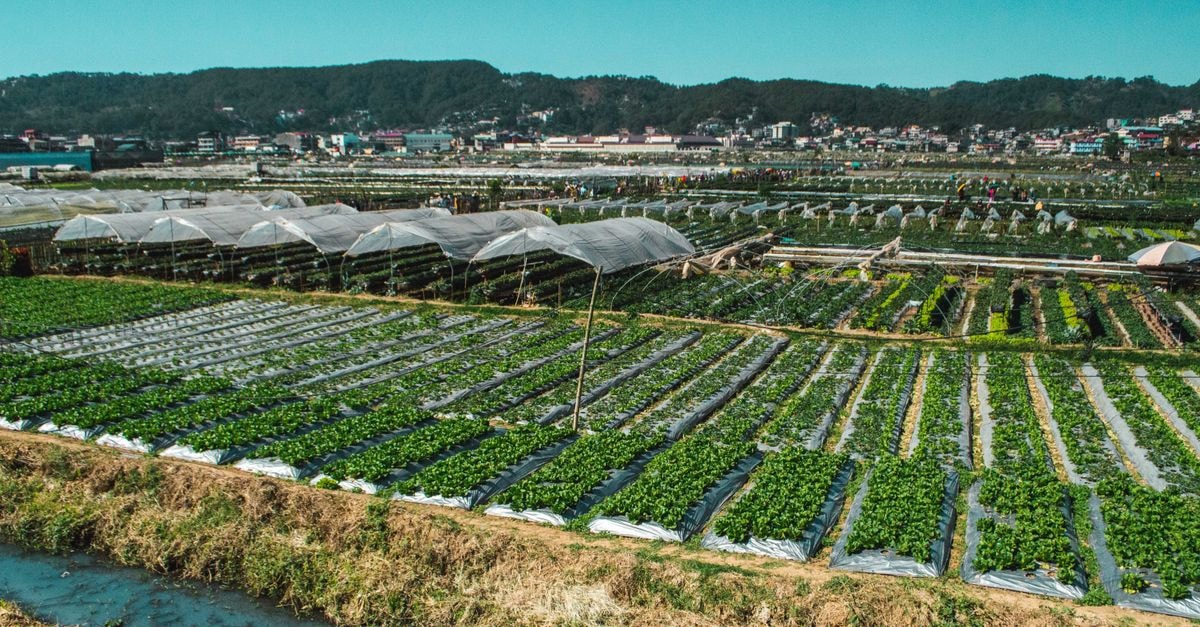
A mountain city built on craft and welcome

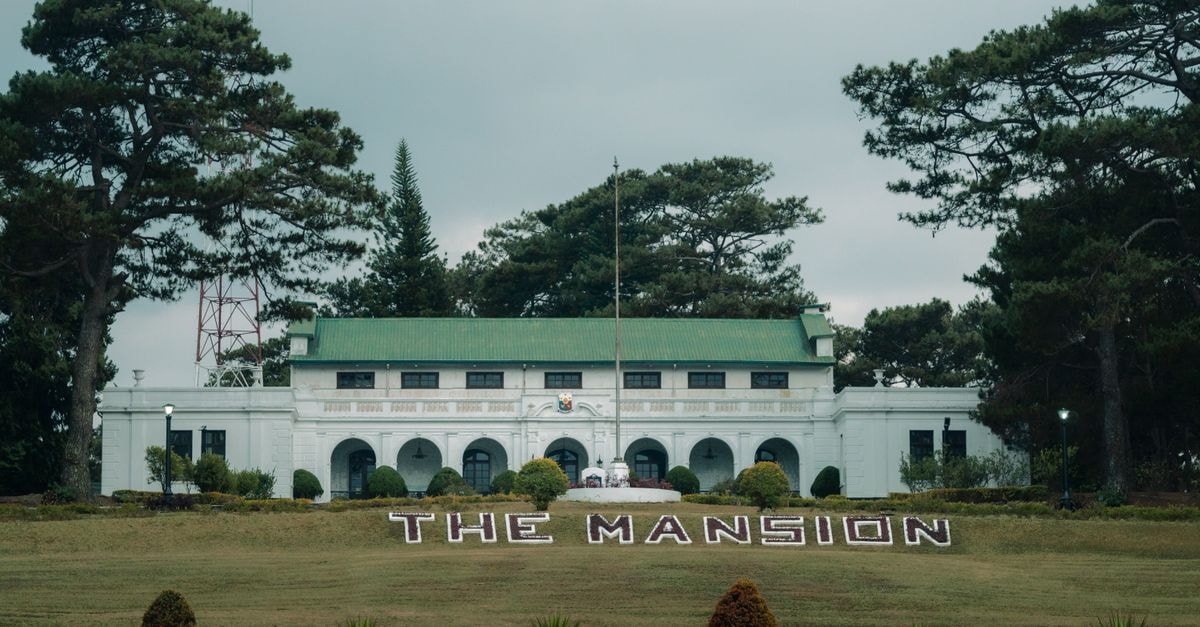
Tucked into the Cordillera highlands, Baguio City has a quieter rhythm than the lowland Philippine cities most travelers arrive from. Its cool air and pine-scented streets have long drawn people looking for a slower pace, and the city carries a creative identity that visitors can feel as they wander. In 2017, Baguio was designated by UNESCO as a Creative City for Crafts and Folk Arts, becoming the first Philippine city to join the UNESCO Creative Cities Network (UCCN). That recognition hints at what travelers tend to notice on arrival: this is a place where handmade tradition, art school energy, and small independent studios still shape daily life.
Because the highland setting creates a noticeably different climate from the rest of the Philippines, pace and clothing tend to matter more here than the typical tropical checklist. Light layers, a light jacket for evenings, and comfortable walking shoes are the kinds of small choices that tend to make the day smoother. Travelers who enjoy browsing independent galleries, watching artisans at work, and seeking out regional craft traditions may find Baguio especially rewarding as a destination built around that creative spirit.
Weather and seasonal context
Baguio sits high enough in the Cordillera that its climate feels distinctly different from the rest of the Philippines. Temperatures typically run cooler than the lowlands, and the city is well known for misty mornings and a soft drizzle that can settle in without warning. Even on a bright day, the air can feel sweater-soft by late afternoon, so a light layer in your day bag is often more useful than an umbrella.
Travelers who prefer a gentler pace, with time to linger in studios, cafés, and covered galleries rather than racing between outdoor viewpoints, may suit Baguio well. The cooler air can encourage slow afternoons and unhurried conversations, which aligns naturally with the city’s craft-focused identity. If you find humid heat draining, the highland climate can feel like a welcome change of pace.
Keep in mind that highland weather shifts quickly, and conditions can change between a sunny morning walk and an overcast afternoon. Pacing the day with a flexible plan, building in a warm drink stop, and being ready to step into a covered space when the mist rolls in are simple ways to keep comfortable.
Food and local context
Food in the Philippines reflects a genuine regional diversity, with each area adding its own twist to traditional dishes. Visitors to Baguio are stepping into that wider landscape of Philippine flavors, where home kitchens, neighborhood eateries, and small cafés all contribute to the everyday food culture. Travelers who enjoy exploring regional menus and asking locals what to try may find that a few conversations lead to the most memorable meals.
Beyond the plate, food in the Philippines is closely tied to a generous spirit of hospitality. Filipino hospitality is legendary: strangers will invite you into their homes, share their food, and go far out of their way to help. For travelers, that warmth often translates into invitations to share a meal, a snack at a family-run spot, or a recommendation offered with genuine care. Approaching meals with openness tends to be the most rewarding way to engage with local life.
A small etiquette note can smooth those moments: refusing food outright is considered impolite, so at minimum, taking a small portion is a gracious way to accept without overcommitting. Travelers who are unsure about a dish can simply ask what is in it or take a taste-sized portion to begin with. This small social gesture tends to be appreciated and keeps the conversation easy.
Choosing what fits your trip
A few tradeoffs are worth thinking about before you arrive. Because Baguio’s highland climate can shift quickly and feels cooler than much of the Philippines, visitors who dislike cool, misty weather or who prefer constant sunshine may want to plan more indoor time, while those who enjoy a softer, sweater-weather pace and unhurried afternoons are likely to feel right at home. The city’s identity as a UNESCO Creative City for Crafts and Folk Arts also shapes the experience: travelers with an interest in handmade craft, independent studios, and creative neighborhoods will find a natural focus here, whereas visitors whose main interest is beach-style sightseeing may want to balance Baguio with a coastal leg elsewhere. For the food side, the wider Philippine table rewards curiosity about regional variety and a willingness to accept shared meals with the warm hospitality you are likely to encounter.
A quick verification before you go
Because climate patterns and the day-to-day rhythm of creative spaces can shift over time, it is worth checking the local forecast and any current conditions for Baguio City shortly before you travel, along with the official channels of your accommodation and the local tourism office for the latest on galleries, markets, and craft venues you are hoping to visit. Factual travel conditions can change, and a quick verification step before departure helps your plans stay as smooth as the highland air.
---
*This guide is built on durable city context and may not reflect the latest local conditions. Always confirm details through official sources before your trip.*
Share this article
TOOLS FOR THIS PLAN
Make the Baguio City plan measurable
Choose a tool only when it answers the next question in your trip. Your values stay in the browser, and each tool offers a route back to this planning context.