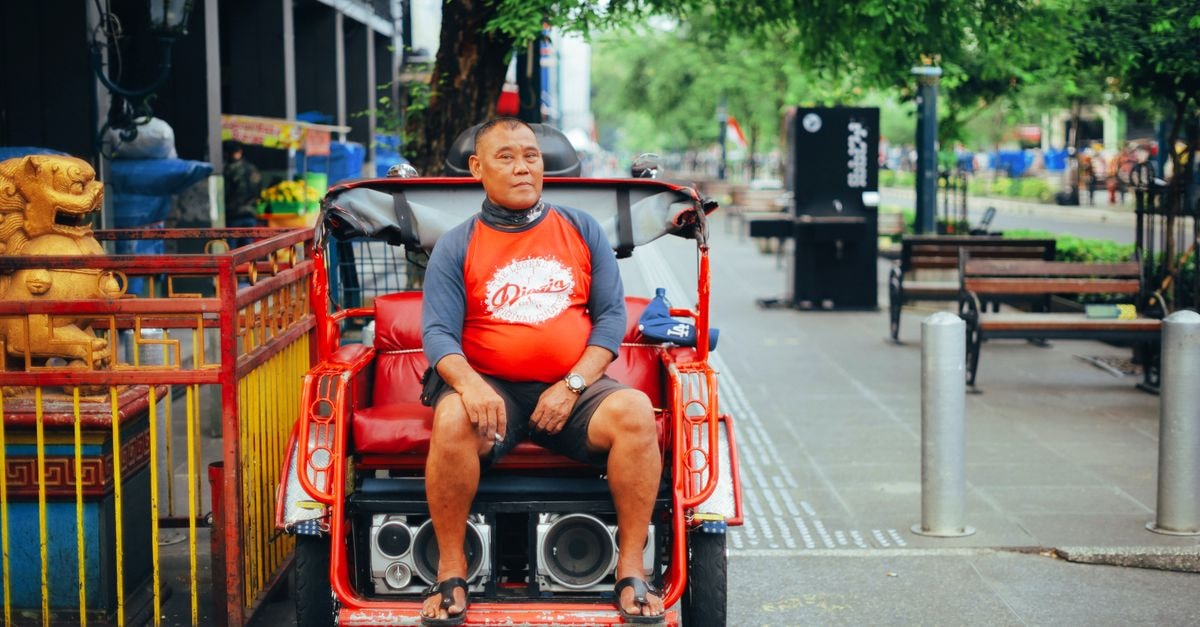
A quick first look at Thane
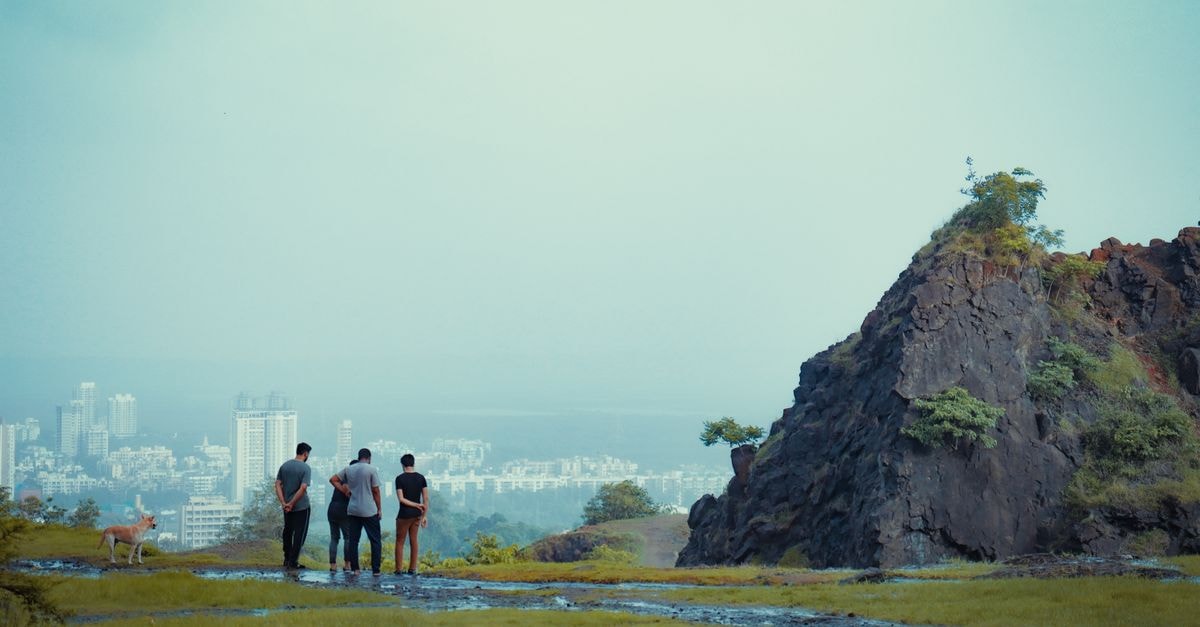
Tucked into the Konkan landscape of Maharashtra, Thane is the kind of city that quietly rewards the curious traveller. It carries the feel of a long-settled place that has also kept pace with modern life, layering leafy old corners and contemporary streetscapes into one lived-in whole. Visitors often arrive thinking of Thane as a gateway rather than a destination in its own right, then find themselves lingering over its rhythm of slow mornings, busy markets, and easy evenings.
What strikes many travellers first is the sense of space. The city sits among lakes and low hills, and even the busier neighbourhoods tend to unfold at a pace that feels gentler than the closest big metropolis. That balance — modern but unhurried, connected but rooted — shapes nearly every practical decision on the ground, from how you arrive to what you eat.
Weather and seasonal context
Thane's climate leans warm for much of the year, with average water temperatures that stay in the upper seventies to mid-eighties Fahrenheit across most months. That long stretch of warmth is one reason the city's outdoor cafés, lakeside promenades, and open-air food stalls feel naturally part of daily life rather than seasonal exceptions.
For travellers who plan their trips around hot-weather activities, it's worth knowing that the best windows for heat-friendly pursuits generally fall outside the monsoon months. Based on broader climate patterns, those warmer-activity windows tend to centre on early February through mid-April and a short stretch around late November. Outside of those windows, the city still has plenty to offer; you may simply want to plan heavier outdoor time for the cooler parts of the day and pace midday stops with shade and refreshment in mind. Lightweight clothing, a reusable bottle, and the habit of pausing under a tree or in a covered market will serve you well in any season the climate tilts warm.
Getting around
Thane is well connected to other major cities across the country, and most independent visitors arrive overland rather than by air. Regular buses link the city to neighbouring urban centres, and a central bus station acts as the main hub for these long-distance road connections. For travellers arriving from elsewhere in India by bus, this single well-linked station is the natural anchor point to start your orientation.
The city also has a notable place in Indian railway history: the very first railway line laid in India ran from Bori Bunder to Thane station. That heritage matters less for your day-to-day plans than for the simple confidence it gives — Thane station is a recognised, established stop on the network, with the kind of connectivity that makes train-plus-walking combinations a practical way to explore.
For visitors flying in, the prepaid taxi service available at the airport is widely regarded as the smoothest way to reach Thane. If you prefer to skip the negotiation and uncertainty of finding a ride on arrival, consider pre-booking through the prepaid counter rather than sorting it out curbside. Once you're in the city, local transit and short cab rides handle the gaps that the trains and buses don't cover.
If you're the kind of traveller who values low-friction arrivals, the prepaid airport taxi and the central bus station are your two practical anchors. Travellers who prefer to weave a city into a longer rail journey will find Thane station especially convenient, given its long-established role on the network.
Attractions and planning
Thane today reads as a thriving urban hub, with a strong industrial base and modern infrastructure running alongside a retained historical and cultural essence. That combination — industry and heritage, glass-and-steel and old banyan-shaded streets — is what gives the city its texture. You don't need to choose between contemporary India and older Maharashtra here; you encounter both within the same morning.
Planning your days around this dual identity works smoothly. Mornings are a comfortable time to explore older neighbourhoods, heritage corners, and lakeside stretches, while afternoons can slide into the busier commercial pockets where the modern city hums. Evenings tend to gather people around food streets, river-facing points, and the kind of public spaces that locals use as their everyday living rooms.
Because the city blends working industrial zones with residential calm and heritage pockets, travellers who enjoy variety within a single destination may find Thane especially rewarding. Consider letting your itinerary breathe — a heritage morning, a slow lunch, and a modern-evening walk tend to capture more of the city's character than a tightly scheduled checklist.
Food and local context
Food in Thane runs deep. The city has built a recognisable identity around its deeply rooted food culture, layered into everyday street stalls, neighbourhood kitchens, and longer-standing local eateries. Walking through the older parts of town, you can taste that heritage in the way staples are prepared and served with quiet confidence rather than as novelty.
The wider Maharashtrian food tradition shapes much of what you'll encounter across the city. Visitors should expect to find the regional classics — familiar preparations, spice levels that vary by stall rather than by region, and a generous streak of street food woven into daily life. Travellers who enjoy sampling local staples rather than seeking out imported flavours will find plenty to work with.
One specific local touch worth seeking out is the vada pav tradition. Vada pav fans in Thane will find spots that treat the simple combination as a craft rather than a snack, and a quick detour for an authentic plate can anchor a slow afternoon. Within Maharashtra more broadly, vada pav is something of a cultural marker — a street food that has crossed from working-class fuel into everyday ritual, served from carts and tiny shops with the same unhurried ease. In Thane, that nationwide context feels particularly at home, woven into the rhythm of the city's street-level eating culture.
If you enjoy eating your way through a city, plan to mix sit-down meals with street-stall stops. The latter often give you a more honest read on what Thane actually eats day to day.
Choosing what fits your trip
Thane suits travellers who want a connected base without the intensity of the largest metros. If your preference is moving between lakeside mornings, heritage walks, and easy evenings over tight sightseeing schedules, the city's pace is genuinely on your side. Independent travellers who like combining rail, bus, and short cab rides will find the transport network straightforward to navigate. Food-focused visitors get the strongest payoff by leaning into street-stall staples rather than only full-service restaurants.
A final note before you go
Factual travel conditions can change, and details such as schedules, prices, opening hours, and on-the-ground availability are best confirmed through official channels close to your departure date. Treat the framing here as a calm, evergreen orientation rather than a live timetable.
If you have one specific question that will shape your plans — for example, the current status of a particular lakeside promenade you hope to walk at sunset, or the practical details of catching a prepaid taxi from the airport — it's worth verifying that single point directly with local sources before you set out.
Share this article
TOOLS FOR THIS PLAN
Make the Thane plan measurable
Choose a tool only when it answers the next question in your trip. Your values stay in the browser, and each tool offers a route back to this planning context.