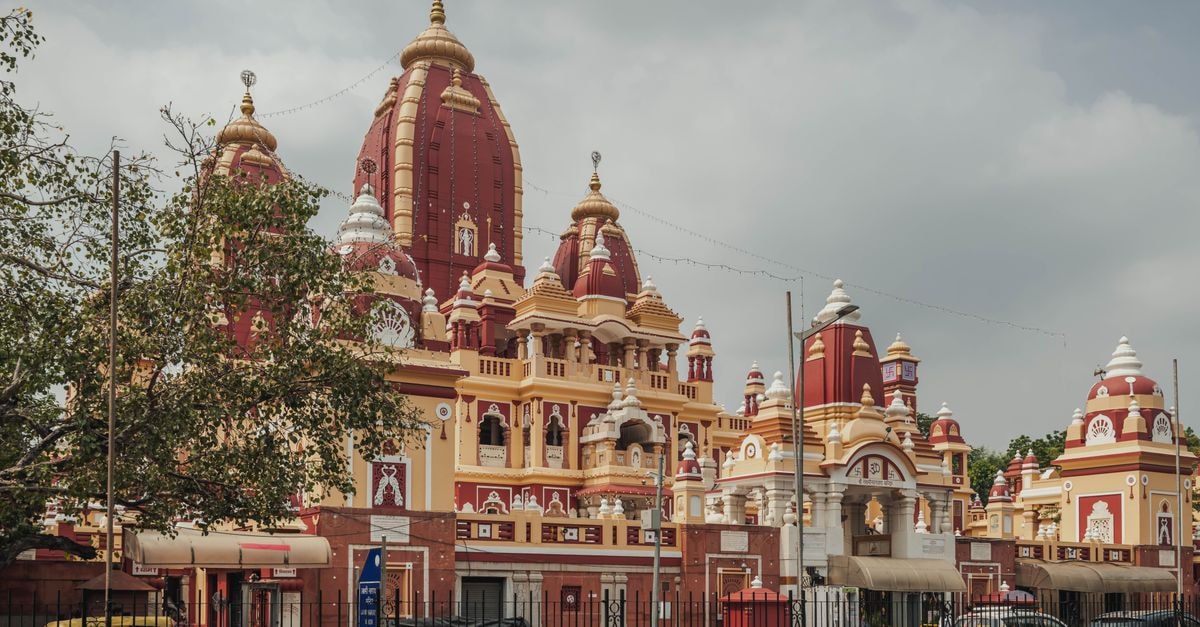
A gentle first look at Yogyakarta

Yogyakarta has a way of slowing visitors down, even though it sits at the heart of Java and draws travellers from across Indonesia and beyond. The city carries the rhythm of a place where tradition and everyday life share the same streets: becak drivers waiting near corners, small warungs serving food to office workers, and a steady stream of visitors heading out to temples, palaces and coastal scenery. There is no rush to see everything at once, and that unhurried feeling is part of why people plan return trips.
This guide keeps the focus on two things that shape every Yogyakarta trip: how you move around, and how you think about the places you want to visit. The advice here is built only on what is clearly supported about the city, so it stays useful regardless of when you arrive.
Getting around
Yogyakarta does not have a metro or tram system, which already tells you a lot about how the city is best explored. Travellers arriving by air or rail will step out into a transport landscape that is informal, flexible and very local in character. Rather than learning a fixed network of lines, the rhythm of getting around tends to involve a mix of rides, drivers and short walks between neighbourhoods.
Specialised local transport is part of the city's identity, and Yogyakarta brings unique traditional modes of transport that work well for short distances and for moments when you simply want to enjoy the streets at a slower pace. These traditional options tend to be most rewarding for short hops rather than long crossings of the city, so they pair naturally with a ride from the airport or train station rather than replacing it.
Getting from Yogyakarta's airports and train stations is the first practical task for most visitors. Because there is no rail link threading through the centre, the transfer into town usually depends on a pre-arranged car, a taxi or a ride-hailing service. From the moment you arrive, it helps to think in terms of origins and destinations rather than lines and stops: where you are staying, what you plan to see that day, and the most direct door-to-door option between those two points.
A simple rhythm that tends to work well is to settle into a base in the central area, then use point-to-point rides for longer moves and traditional transport for shorter, more atmospheric stretches. The lack of a metro is less of a limitation than it sounds once you stop expecting one.
Attractions and planning
Yogyakarta has many iconic tourist destinations, and the city is often used as a base for exploring a wider region that includes cultural landmarks and scenic landscapes. Planning ahead matters less in terms of ticking off a checklist and more in terms of choosing how you want to spend your days, because the distance between the city and surrounding highlights can stretch a simple outing into a longer excursion.
One well-known example of how far a day trip can reach is a village located in Patuk District, Gunungkidul Regency, within the Special Region of Yogyakarta Province, about 25 km from the city of Yogyakarta. That single distance is a useful reminder that some of the most rewarding places around the city are not next door, so it pays to treat any visit beyond the centre as its own slow half-day rather than a quick stop between two other activities, paired with a relaxed lunch and an unhurried return.
That distance is also a quiet prompt for how to approach the rest of your time in the city. Iconic destinations around Yogyakarta tend to fall into two broad groups: places that sit close to the centre and reward a wandering pace, and places that sit further out and reward a planned pace. Knowing which kind of day you are building, before you set out, removes most of the friction that first-time visitors run into.
Because transport choices and attraction choices are linked, it helps to sketch each day around one anchor. If the anchor is in the city, you can lean on short rides and traditional transport; if the anchor is further out, plan the door-to-door ride in advance. This keeps each day feeling calm rather than reactive, and leaves room for the small surprises that Yogyakarta tends to offer without warning.
A few practical notes before you go
A handful of habits tend to make a Yogyakarta trip feel smoother:
- Build each day around one main anchor rather than a chain of stops. The city's layout makes it easier to enjoy one area at a time. - Treat transfers from the airport or train station as a separate, early task. With no metro, this first leg sets the tone for how you will move for the rest of the trip. - Save traditional transport for the moments when you want to slow down and feel the city, and use point-to-point rides when distance matters. - For destinations outside the centre, plan the journey as part of the experience rather than a line on a checklist.
None of these are rules, just patterns that tend to suit the way Yogyakarta actually works on the ground.
Final verification note
Travel conditions in Yogyakarta can change over time, including how visitors are expected to reach certain destinations, how traditional transport operates, and how attractions are managed. Before you travel, it is worth checking official tourism information channels and confirming details such as opening hours, current transport arrangements and any local guidance that may affect your plans. Treat the points in this guide as a starting framework rather than a fixed schedule, and let the city itself shape the rest of your trip.
Prices, opening hours, schedules, reservation rules, and local conditions can change; verify them through official channels before departure.
Share this article
TOOLS FOR THIS PLAN
Make the Yogyakarta plan measurable
Choose a tool only when it answers the next question in your trip. Your values stay in the browser, and each tool offers a route back to this planning context.