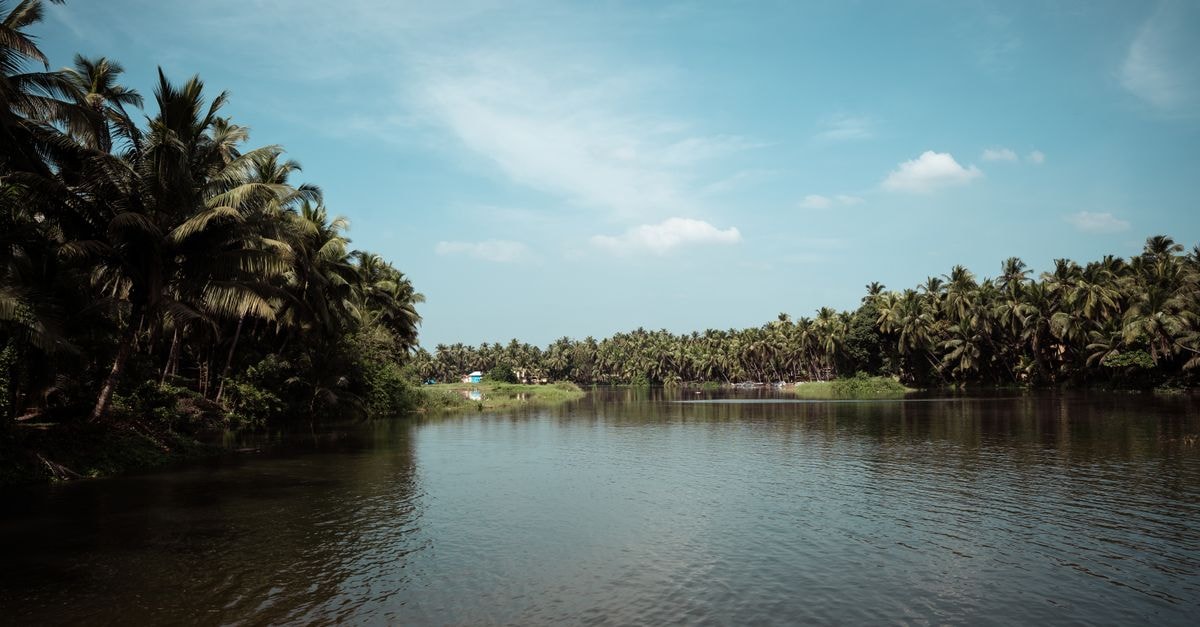
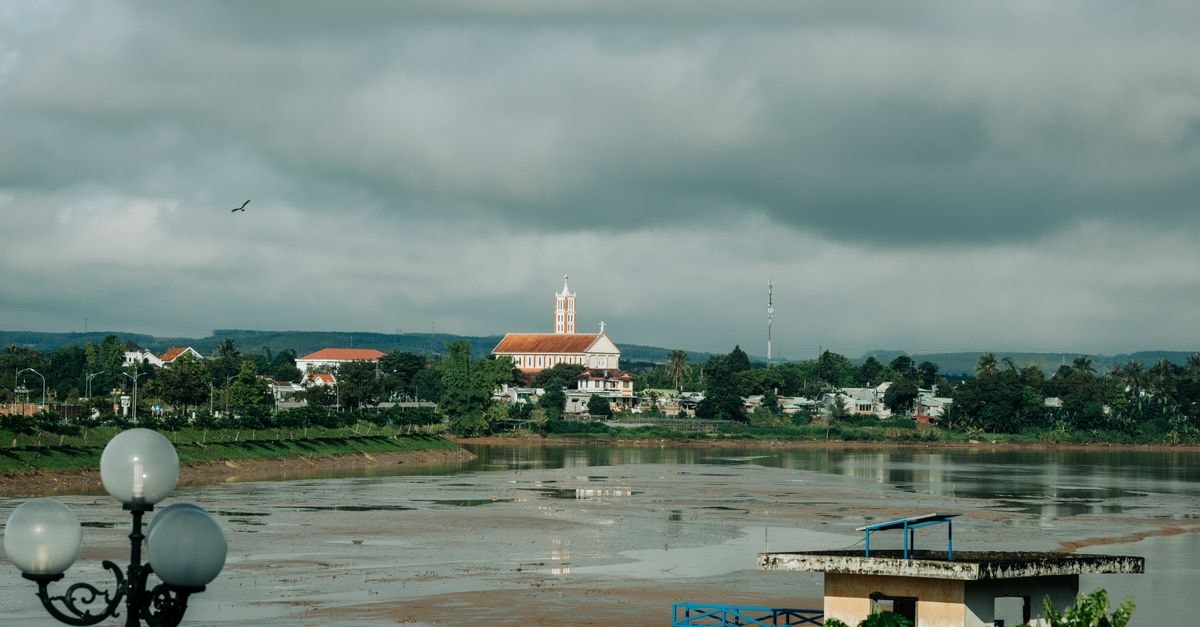
A grounded welcome to Thanjavur

There is a particular hush that settles over Thanjavur in the early hours, a kind of temple-town stillness that rewards travelers who arrive curious rather than rushed. The city sits in Tamil Nadu as a quietly celebrated cultural capital, and it carries that reputation with a kind of everyday confidence rather than showmanship. If you are planning a visit with room for heritage sites, regional flavors, and unhurried streets, this Thanjavur travel guide is shaped for that kind of traveler.
What makes the city feel distinct is the way art, food, and architecture blend into a single texture. Visitors often come expecting one major draw and leave remembering the small textures instead: the smell of something frying from a street cart, the layered silhouettes along the skyline, the warm formality of local welcome. The notes below are designed to help you read those textures a little more easily.
Weather and seasonal context
Weather in Thanjavur is best understood as a mood rather than a fixed forecast, and your packing list should reflect that. Across the year, the climate shifts between hotter, drier stretches and a softer monsoon-influenced phase where the air can feel cooler and the pace of the city feels a touch calmer. For travelers who dislike extreme heat, the cooler monsoon window can feel easier to walk through, while those drawn to festival energy may find busier periods more atmospheric.
What is worth knowing is that the city is generally best visited during the November–February window, when the climate is considered gentler for sightseeing. If your travel plans fall outside that window, do not be discouraged; the monsoon phase tends to come with fewer visitors, and the relative quiet can suit travelers who prefer reflective exploration over peak energy.
For accommodations, Thanjavur offers a range of options from budget lodges to heritage hotels, which means you can match lodging to your travel style without much difficulty. Because the city is one of the more popular destinations in the region, consider planning at least one full day on the ground to let the place reveal itself. A relaxed day rhythm usually serves visitors better than a rushed schedule, and it leaves space for an unhurried pause at a courtyard café or a shaded monument at golden hour.
Getting around
Thanjavur is a city best explored on foot and through short local trips, and the practical advice is to plan a base that lets you walk to the major heritage zones. The streets are walkable in the central areas, with auto-rickshaws and cycle rickshaws filling in the gaps when the heat or the distance pushes you to sit down for a moment. If you prefer not to walk long stretches, short hired rides are a sensible way to bridge the gaps between monuments.
Within the city's cultural landscape, three names often appear in any honest introduction: the Thanjavur Maratha Palace, the Saraswathi Mahal Library, and the distinctive Tanjore painting style. The palace grounds carry the weight of dynastic history, the library is a quiet marvel for those interested in manuscripts and old print traditions, and the painting style is something you will recognize again and again in galleries and souvenir corners across town. For visitors with a soft spot for art history, the painting tradition alone can justify slow wandering. If you prefer architecture and royal spaces over libraries, prioritize the palace first.
A practical note for getting around: stay patient with the rhythm. The city does not run on a hurried clock, and the easiest transport experience usually comes from working with the local pace rather than against it.
Food and local context
Food in Thanjavur is not just about sustenance; it is treated as a celebration of local ingredients and traditions, and that philosophy is visible in the smallest of street stalls. A simple way to taste the city's everyday character is through its snacks. Murukku, the crunchy spiral-shaped snack, and sundal, the spiced legumes often sold warm from small carts, are two accessible entry points. Travelers who enjoy culinary wandering will find the cart-based food scene rewarding; travelers who prefer sit-down meals can pair these snacks with a longer meal elsewhere.
To read the wider food culture, it helps to know that India is home to a staggering array of regional cuisines, each with its own flavors and traditions. That variety is part of what makes eating in Thanjavur feel like a layered experience rather than a single menu. Understanding these traditions, even lightly, can help travelers connect more genuinely with the meals they are offered. Within that broader national context, food across India is more than sustenance; it is woven into rituals, festivals, and social gatherings, and Thanjavur follows that pattern in its own local register. That is why a simple plate of sundal, shared near a temple courtyard during an evening walk, can feel surprisingly meaningful.
For travelers with dietary preferences or curiosity about regional etiquette, a light read on Indian dining traditions before arrival can soften the learning curve. The point is not to memorize rules, but to arrive with the kind of openness that lets small food encounters become memories rather than logistics.
Choosing what fits your trip
Thanjavur rewards a particular kind of traveler: someone who likes heritage depth without museum fatigue, who enjoys street food discoveries alongside sit-down meals, and who values a slower pace over a packed checklist. If your travel style leans toward reflective wandering with one or two anchor sights per day, the city will feel generous. If you are the type who wants to move quickly between attractions and photograph every famous corner, plan to leave gaps in the day for the unexpected. Travelers sensitive to heat may want to schedule outdoor exploration for the cooler parts of the day; those drawn to festival atmosphere should check local calendars before locking in dates. None of these choices are right or wrong; they are simply the small decisions that shape whether Thanjavur feels like a smooth fit.
Travel conditions can change over time, and it is always worth checking official and up-to-date channels for transport, weather, and entry details closer to your departure. This guide is meant to frame the city honestly, not to replace current verification.
Prices, opening hours, schedules, reservation rules, and local conditions can change; verify them through official channels before departure.
Share this article
TOOLS FOR THIS PLAN
Make the Thanjavur plan measurable
Choose a tool only when it answers the next question in your trip. Your values stay in the browser, and each tool offers a route back to this planning context.