A first look at Viet Tri
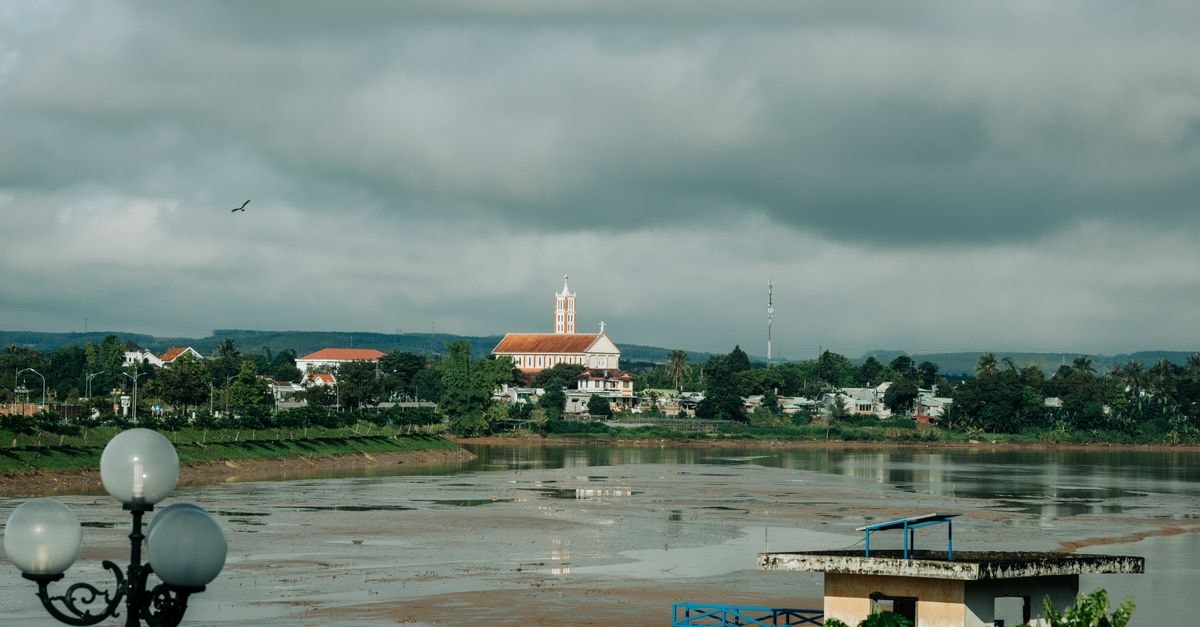
Viet Tri sits inland in Phu Tho province, where the Red River threads through northern Vietnam and life moves at a slower cadence than in the big coastal hubs. For travelers who arrive expecting beaches and skyscrapers, the city offers something different: a working provincial capital shaped by river trade, market mornings, and the quiet hum of everyday Vietnamese routine. The rewards here are gentle. You wander a market lane, you watch the light change over the water, you eat what is cooking that day, and you let the city reveal itself in small moments rather than headline attractions.
This guide keeps things practical. It draws only on the verified information in the approved factual ledger, so anything you read below is meant as a starting point for your own trip planning rather than a guarantee of conditions on the ground.
Weather and seasonal context
Viet Tri lies away from the coast, which shapes its weather patterns in a subtle but important way. Rain that gathers over the wider region can fall heavily across the catchment, and because the city is not coastal, that water has nowhere to drain quickly. Localized flooding can occur when rainfall is sustained, and this is worth keeping in mind even on a clear morning, since conditions can shift within a single day.
If you prefer to avoid the heaviest wet stretches, a useful traveler-fit consideration is to ask your accommodation or a local contact about recent conditions before committing to riverfront walks or low-lying routes. Travelers who do not mind a damp horizon and quieter streets may actually enjoy the city during these in-between periods, when the pace slows and the markets feel more intimate. None of this changes the underlying fact that rain can arrive in concentrated bursts, so pace your day with flexibility and keep an eye on the sky.
Climate reference data for the city describes a broader monthly pattern of mild temperatures, with values beginning around 20 degrees at the lower end of the daily range. This kind of averaged figure is a useful baseline for packing and planning, though day-to-day conditions can still vary.
Getting around
Viet Tri's transport picture is varied, and a little local knowledge goes a long way toward making the city feel manageable. The bus network covers major roads and links important points of interest within the urban area, which means you can reach most of the places you are likely to want to visit without needing a private vehicle. The same routes also connect Viet Tri with neighboring towns, so if your plans extend beyond the city itself, the bus can be a useful backbone for those short hops.
Beyond the buses, you will find the usual mix of motorbikes, taxis, and ride options that you see across Vietnamese cities. Because the transport options are diverse, travelers who like to improvise tend to do well here: you can combine a bus ride into the center with a short taxi or motorbike transfer to reach a specific lane or market corner. Travelers who prefer door-to-door convenience may want to lean more heavily on taxis or app-based rides, especially after dark or when carrying shopping from the markets.
One practical note that comes out of the approved evidence: local knowledge simplifies movement. A short conversation with your hotel front desk, a friendly vendor, or a fellow visitor can save you a transfer or two. Do not assume that any single option covers every route you need; the system works best when you mix modes rather than relying on one.
Food and local context
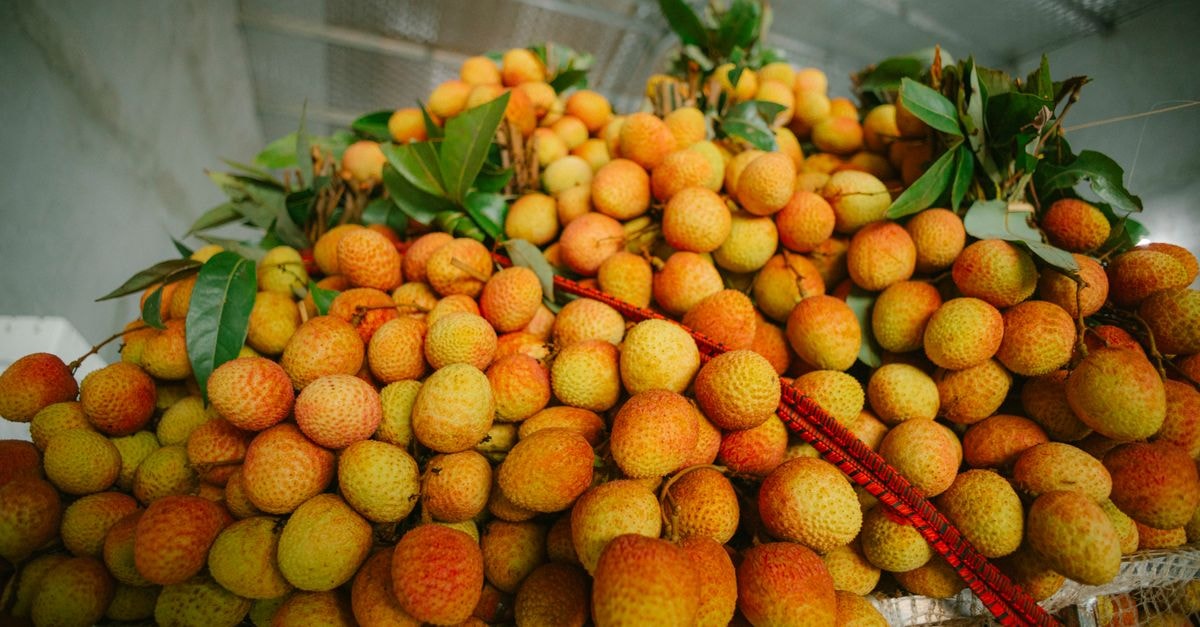
Viet Tri is not a city known for a polished fine dining scene, and travelers who arrive chasing tasting menus or chef-driven kitchens should adjust their expectations accordingly. Where the city does shine is in its everyday food culture, especially around the market area. Viet Tri Market area is widely considered a good base for exploring diverse street food, with stalls and small kitchens turning out the kind of honest, freshly cooked Vietnamese dishes that travelers come north for in the first place.
The honest summary of the dining landscape, drawn from the approved sources, is that true fine dining activities are limited in Viet Tri, while the street food and casual local spots carry the city's everyday food identity. If your travel style leans toward market grazing, plastic-stool breakfasts, and the occasional riverside snack, you will be well served. If you are looking for a formal multi-course experience, you may want to plan one such meal in a larger hub before or after your Viet Tri stay rather than expecting to find it within the city.
Wider Vietnamese food culture, which travelers will recognize from Hanoi and other northern cities, may also surface here in recognizable forms: pho for breakfast, com dishes through the day, and the small sweet snacks that appear in market baskets. Treat these as the broader national backdrop you may encounter while in Viet Tri, rather than as city-specific specialties, since the approved evidence does not single out any particular dish as a Viet Tri signature.
Before you go
Factual travel conditions change, and the points above reflect the approved evidence available at the time of writing rather than a live snapshot. Check official channels and recent local updates before you travel, and verify weather, transport schedules, and any market or venue conditions that could affect your day.
Share this article
TOOLS FOR THIS PLAN
Make the Viet Tri plan measurable
Choose a tool only when it answers the next question in your trip. Your values stay in the browser, and each tool offers a route back to this planning context.