A first look at Tiruchirappalli

There is a particular kind of calm that settles over a city shaped by centuries of devotion and trade, and Tiruchirappalli carries that feeling in its bones. Set in the southern part of the state, the city is often described as wrapped in a quiet historical, cultural, and spiritual profundity, and you feel it as soon as you begin walking its older streets. Temples rise above the skyline, river views unfold at unhurried angles, and the pace of everyday life seems to invite travellers to slow down rather than rush between sights.
For visitors, Tiruchirappalli rewards a thoughtful approach. It is not a destination built for checking boxes quickly; it is a place to settle into, learn a little about, and let the rhythm of the day guide your plans. This guide focuses on three pillars that matter most for an independent trip: how to move around the city, where to anchor your sightseeing, and what to expect when you sit down to eat.
Getting around
Tiruchirappalli has a well-developed transport infrastructure, which is reassuring for anyone arriving without a private driver. The city is connected by air and rail, and once you are on the ground, several practical options open up.
The main rail gateway is Tiruchirappalli Junction, whose official station code is TPJ. That little code matters at ticket counters and on reservation slips, and knowing it can save a small moment of confusion if you are booking onward journeys or asking locals for directions. The Central Bus Stand sits roughly 700 metres from Tiruchirappalli Junction, making it easy to combine a bus arrival with a train connection or vice versa; the proximity means you can usually walk between them with your bags, though a short auto ride is sensible in the heat of the day.
For travellers flying in, Tiruchirappalli International Airport is the aerial entry point, and car rental services are available for arriving passengers. Renting a car at the airport can be useful if you plan to move beyond the core city, but for the centre itself, the combination of rail, bus, and local autos is usually enough. Walking between Tiruchirappalli Junction and the Central Bus Stand also gives a gentle first feel for the city's scale: compact enough to be navigable, layered enough to reward exploration.
Attractions and planning
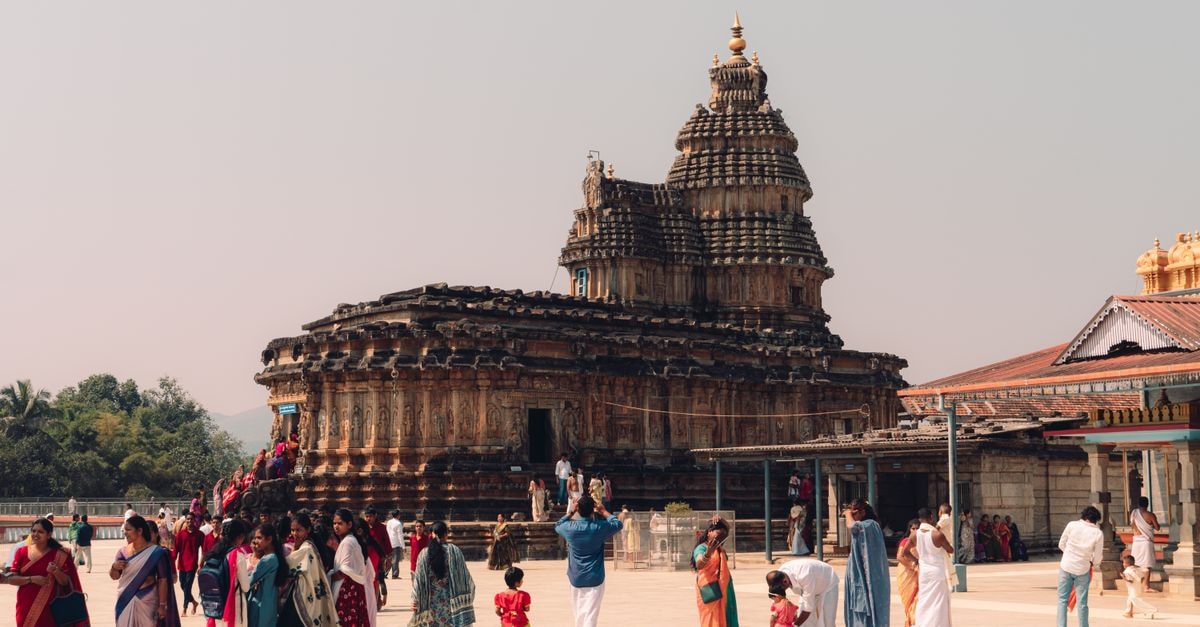
Tiruchirappalli's appeal is deeply tied to its heritage, and most visitors come here precisely because of the layers of history embedded in the landscape. The city is described as standing at the intersection of historical, cultural, and spiritual significance, and that character shows up in its temples, ritual life, and older quarters.
One of the most celebrated sites in the area is recognised as the only Brahman Sthalam in the region and is widely treated as a must-visit within Trichy heritage packages. Because it holds that singular religious status, it draws both pilgrims and curious travellers, and visiting it gives a sense of why Tiruchirappalli has remained a focal point in the region for generations.
Beyond that central site, the wider city is repeatedly described as one of the famous places of heritage in its state and a regular highlight of Trichy tour circuits. This framing is helpful for planning: it suggests that the city's attractions are not isolated monuments but part of a connected heritage landscape, where temples, historic streets, and river viewpoints all contribute to a layered experience.
A practical note: because the heritage sites are interwoven with living religious practice, modest dress and a respectful pace go a long way. There is no single right way to structure a visit, and many travellers find that leaving room for long pauses, conversation, and second visits to a favourite temple makes the trip more meaningful than a tightly packed schedule would.
Food and local context
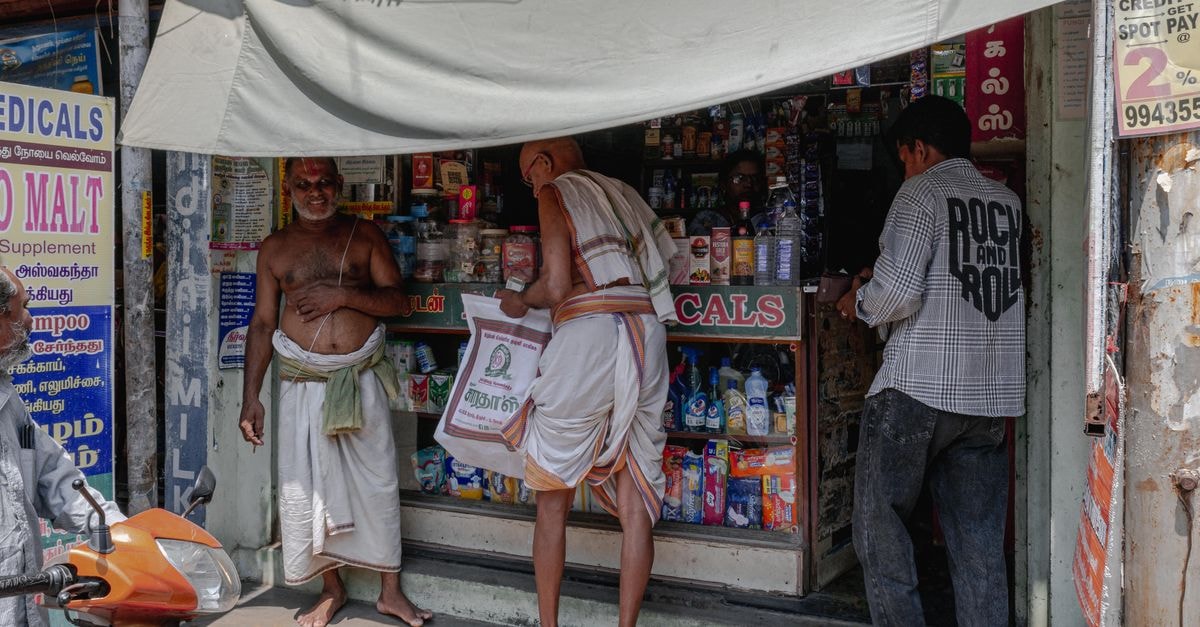
Food in Tiruchirappalli tends toward home-style, traditional preparations, which is one of the city's quiet charms. Rather than chasing restaurant trends, the local scene leans into familiar Tamil cooking methods, often served in unpretentious settings that feel closer to a family kitchen than a dining room.
Lists of must-try dishes in the city are commonly organised around a top ten of local favourites, and guides frequently pair those dishes with named restaurants where they are best experienced. This pairing of dish and place is useful for first-time visitors who want a starting point without having to do extensive research on arrival.
The wider culinary tradition that surrounds Tiruchirappalli is predominantly vegetarian, and this shapes what you will see on most local menus. Travellers who eat vegetarian will find the city especially welcoming, with abundant options across meal types. Those who do eat meat will still find choices, but it helps to know in advance that vegetarian cooking is the default expectation in many eateries, so you can plan your stops accordingly.
India more broadly has a deeply rooted vegetarian culinary tradition, and visitors may encounter that nationwide context in many forms across the country. In Tiruchirappalli, that wider context shows up naturally through the abundance of plant-based thalis, lentil preparations, rice dishes, and snack foods that anchor the everyday food culture. It is less about restriction and more about variety, and the regional specialities served in Tiruchirappalli tend to reflect those traditions with their own local character.
When eating out, a simple approach works well: look for busy places, follow the rhythm of when locals eat, and do not be afraid to ask what a dish is. The food is part of the city's identity, and most people are happy to share a recommendation.
A note on costs and planning
Because cost information in the available sources is not given as a clear, evidence-backed range, this guide intentionally does not quote daily budgets. Prices, menu items, and restaurant offerings shift over time, and pinning a specific figure without solid support would be misleading. A more reliable approach is to budget with comfortable flexibility, expect vegetarian meals to be widely available and generally affordable, and adjust based on whether you choose simple local eateries or more sit-down restaurants.
Similarly, because the evidence base does not include month-specific weather, festival, or seasonal conditions, this guide is written as evergreen city guidance. That means the advice you read here should hold true across visits, though it is always wise to check current conditions, temple timings, and any local advisories through official channels before you travel. Factual travel conditions can change, and a quick verification before departure is the most reliable way to keep plans accurate.
In closing
Tiruchirappalli is the kind of city that gives back what you put into it. Walk slowly through its older streets, ride the bus or an auto between sights, pause for a traditional meal, and give the temples the time they deserve. With a well-connected transport network, a heritage landscape recognised across the region, and a food culture rooted in home-style tradition, the city offers a quietly rewarding base for anyone curious about southern India.
Share this article
TOOLS FOR THIS PLAN
Make the Tiruchirappalli plan measurable
Choose a tool only when it answers the next question in your trip. Your values stay in the browser, and each tool offers a route back to this planning context.