Arriving and getting your bearings

There is something quietly stirring about approaching Tirupati for the first time, a sense that you are stepping into one of India's most cherished pilgrimage landscapes. Before the temples and the laddu counters come into focus, getting from the airport into the city itself sets the tone.
The town itself is compact in feel, and many travellers find that once they are within Tirupati, short hops by auto or local transport cover most of what they need. The airport's accessibility is a small but reassuring detail, especially for visitors arriving after a long journey who simply want to ease into the rhythm of the place.
Sacred sites and scenic escapes
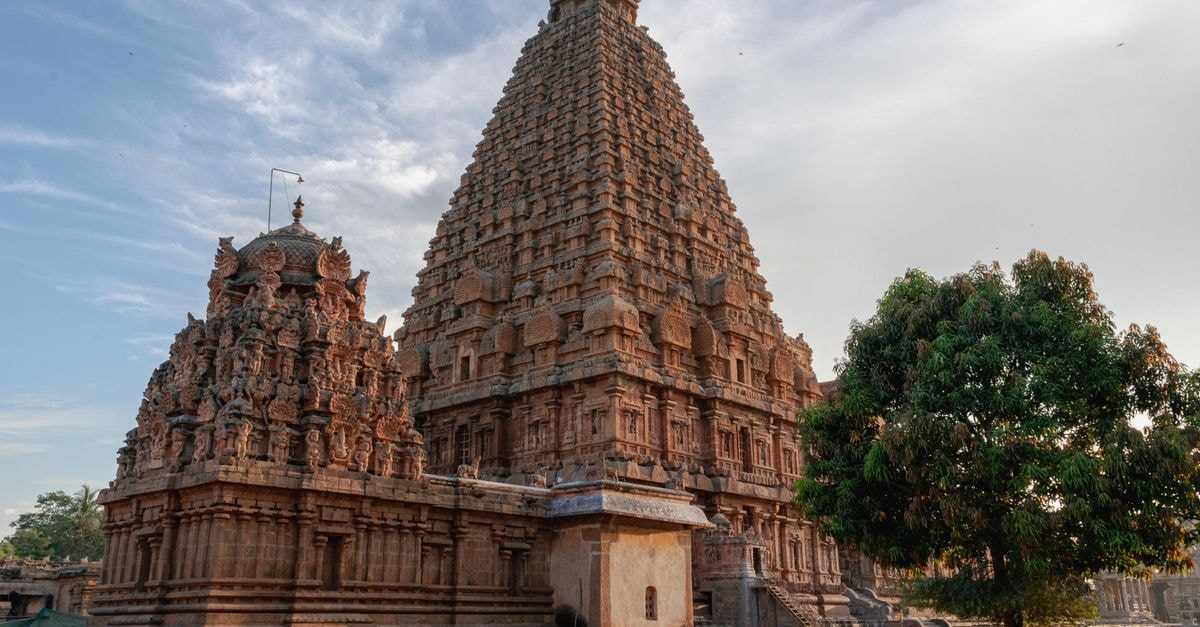
Tirupati's identity is shaped by the temple of Lord Venkateshwara, whose mysterious origins are reflected in the way various kingdoms maintained and developed it over the centuries. That long arc of devotion gives the city a layered atmosphere, ancient in spirit yet alive with daily ritual.
Beyond the headline temple, Chandragiri Fort offers a different kind of wonder, with beautiful architecture and historical significance that draws visitors who appreciate a slower, more contemplative stop. Consider visiting Chandragiri if you prefer a break from busier religious sites, as the fort's setting tends to invite a quieter pace and a chance to absorb Andhra Pradesh's layered past.
For travellers drawn to nature, the Talakona waterfall area sits within the Nallamala Hill Range near Bakarapeta, a destination often described in scenic-beauty terms rather than as a quick roadside stop. The setting tends to reward those who enjoy a more immersive outing. Sri Kapileswara Swamy Temple, also known as Kapila Theertham, is a famous Saivite temple and theertham located at Tirupati, offering a different devotional character and a peaceful complement to the larger Venkateshwara pilgrimage. Pulicat Lake, framed here as a scenic natural feature, is recognised as the second largest brackish water lagoon in India, the kind of wide-open landscape that appeals to visitors who want a calm counterpoint to temple days.
Plan with a sense of flexibility, because Tirupati's draws tend to mix pilgrimage with sightseeing. Visitors who appreciate architecture and history may want to build their days around the fort and the Saivite temple, while those who crave fresh air and green scenery may lean into the Nallamala range and its scenic spots.
Food and the temple-table tradition
Tirupati's food scene is one of the warmest parts of any visit, shaped closely by the rhythms of devotion that define the city. A signature experience is the Tirupati Laddu, the city's signature dish and a beloved ritual offering as much as a sweet. No introduction to local flavours feels complete without it.
Across the city, you will find a vibrant food scene that draws on Andhra Pradesh's broader culinary traditions, with meals that lean toward rice, lentils, spice-laden curries and crisp snacks. The food in Tirupati is deeply influenced by temple culture, with a strong tradition of vegetarianism that reflects wider Hindu dietary customs visitors may encounter across India. That shared national context shapes what appears on most local menus and makes it easier to eat well here even if you are new to South Indian temple-town fare.
For visitors who prefer a fully plant-based table, this is genuinely welcoming territory. The vegetarian tradition is not a limitation but a feature, and many of the most memorable meals come from temple prasadam, simple thalis and small sweet counters that have been serving pilgrims for generations. Consider asking locally for the day's prasadam timings if prasadam appeals to you, since the rhythm of offerings can shape when certain dishes are available, and specific timings are best confirmed on the ground rather than assumed from afar.
Choosing what fits your Tirupati trip
Tirupati rewards a few different travel styles, and the right shape for your visit depends on what you are hoping to feel. If pilgrimage and sacred architecture sit at the top of your list, lean into the Venkateshwara temple complex, Chandragiri Fort and Sri Kapileswara Swamy Temple, allowing generous time for each so the devotional atmosphere can settle in. Travellers who prefer nature and wide horizons may find their centre of gravity at the scenic spots within the Nallamala range and at the broad, breezy expanse of Pulicat Lake. Food-focused visitors will want to weave the Tirupati Laddu and Andhra's vegetarian temple-town plates into every day, since the cuisine here is as much a part of the experience as the shrines themselves. With the airport only 14 kilometres from town and supported by developed public transport, you can arrive lightly and let the city, rather than a rigid schedule, set the pace.
A final note before you go
Practical details around transport schedules, temple darshan arrangements, prasadam timings and local services can shift, so it is worth confirming specifics with official channels and trusted local contacts shortly before your trip. Treat this guide as a starting framework rather than a fixed plan, and let Tirupati's pace, its sacred stillness and its sweet, simple flavours reveal themselves as you move through the city.
Share this article
TOOLS FOR THIS PLAN
Make the Tirupati plan measurable
Choose a tool only when it answers the next question in your trip. Your values stay in the browser, and each tool offers a route back to this planning context.